

The Power of the Paste
In kitchens around the world, chefs and home cooks alike rely on secret weapons to elevate their dishes from simple to spectacular. Often, these power players are fermented pastes, concentrated concoctions of flavour that have been developed over centuries.
Fermentation transforms basic ingredients, creating complex savoury notes known as umami, along with a host of other nuanced flavours. Two of the most celebrated of these are Japan's Miso and Korea's Gochujang. While both are born from fermented soybeans and promise to boost your meals, they bring entirely different personalities to the plate.
Miso: Japan's Umami Foundation
Miso is a cornerstone of Japanese cuisine, a thick paste made by fermenting soybeans with salt and a special fungus called koji, which is grown on rice or barley. The process, which can take anywhere from a few months to several years, breaks down the proteins in the soybeans, creating a deep, savoury, and profoundly complex flavour. Often described as an "umami bomb," miso's taste is primarily salty and earthy. However, there is a wide spectrum of miso types. White miso (Shiro) is fermented for a shorter time, resulting in a mild, subtly sweet flavour perfect for soups and dressings. Red miso (Aka), on the other hand, is aged longer, giving it a much more intense, salty, and robust character that can stand up to hearty stews and rich marinades.
Gochujang: Korea's Spicy-Sweet Heartbeat
Travel from Japan to Korea and you'll find Gochujang at the heart of the national cuisine. This vibrant red paste has a more intricate list of ingredients. It starts with Korean red chili powder (gochugaru), which is mixed with glutinous rice, fermented soybean powder, and salt. The result is a thick, sticky paste that delivers a trifecta of flavours: spicy, sweet, and savoury. The heat comes from the chili powder, the sweetness develops from the starches in the glutinous rice during fermentation, and the fermented soybeans provide a foundational umami depth. Unlike miso, where umami is the undisputed star, Gochujang's umami plays a supporting role to its signature sweet heat.
A Tale of Two Flavours
The core difference lies in their primary flavour profiles. Miso's purpose is to deliver a deep, resonant umami and saltiness, an earthy savouriness that enriches food without necessarily announcing its own presence. It provides a background complexity, much like a good stock or aged cheese. Gochujang is designed to be a foreground flavour. Its primary contribution is a balanced combination of spiciness and sweetness, with umami as a crucial, but secondary, element. You use miso when you want to add savoury depth without heat. You reach for gochujang when you want to build a sauce with body, spice, and a touch of sweetness. Trying to substitute one for the other often leads to disappointing results; adding chili flakes to miso won't replicate Gochujang's sweet complexity, and using Gochujang in place of miso will completely alter a dish's intended character.
In the Kitchen: When to Use Which
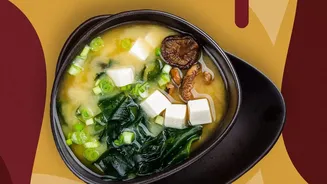
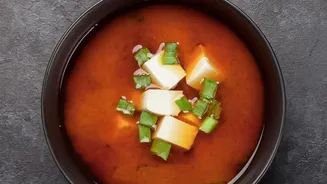
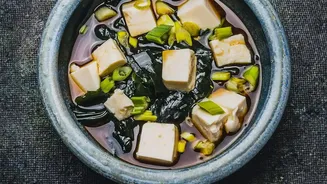
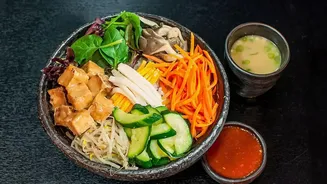
So, how do you decide which tub to reach for? For a classic Miso Soup, or for creating a savoury glaze for fish like salmon, or adding depth to a salad dressing, miso is your go-to. A spoonful of white miso can add a wonderful creaminess to vegetable soups or even mashed potatoes. For those classic Korean dishes like Bibimbap (mixed rice) or Tteokbokki (spicy rice cakes), Gochujang is non-negotiable. It’s the perfect base for marinades for grilled meats and chicken wings, creating a sticky, spicy, and sweet crust. It also works wonders stirred into stews or used to create a punchy dipping sauce for fried chicken or vegetables. A modern fusion trick is to mix it with mayonnaise for a creamy, spicy condiment for burgers and sandwiches.