



The Rise of Astrotourism
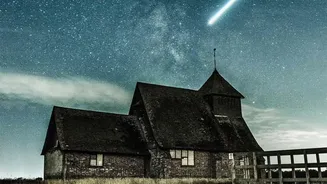
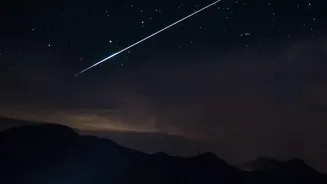
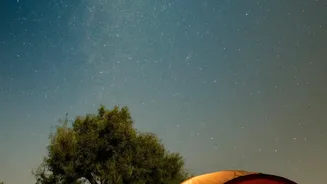
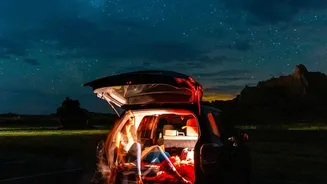
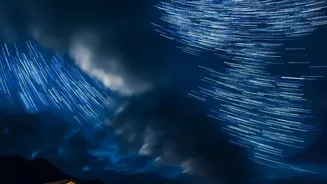
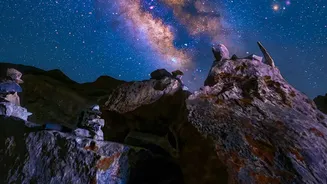
A new kind of travel is captivating holidaymakers around the world: astrotourism. Also known as dark sky tourism, it involves travelling to remote locations specifically to experience a night sky free from light pollution. Once a niche interest for astronomers,
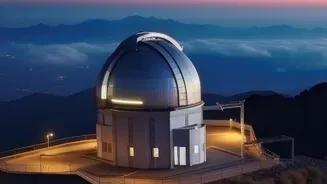
it has now become a mainstream trend, with data suggesting a significant rise in travellers seeking out darker destinations. This isn’t about ticking off another destination; it’s about finding a different kind of experience. In a world of constant connectivity and digital noise, the appeal of disconnecting and witnessing the sheer scale of the cosmos is stronger than ever. Hotels and tour operators are responding by building observatories, hiring resident astronomers, and creating unique stargazing experiences that turn darkness into a premium amenity.
A Retreat for the Mind and Soul
The benefits of stargazing go far beyond a beautiful view. Studies have shown that experiencing awe—the feeling you get when confronting something vast and magnificent—can reduce stress, increase feelings of connectedness, and improve overall well-being. Gazing at the cosmos provides a powerful dose of this emotion. It’s a form of natural mindfulness that pulls you into the present moment, allowing daily anxieties to fade into the background. The simple act of observing the stars can have a calming, meditative effect, helping to lower stress levels and provide a much-needed mental reset. In a sense, the vastness of space puts our own problems into a new, more manageable perspective.
Escaping the Artificial Glow
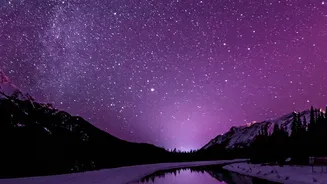
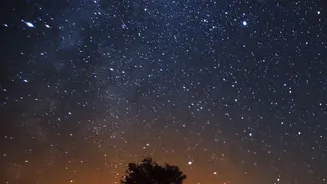
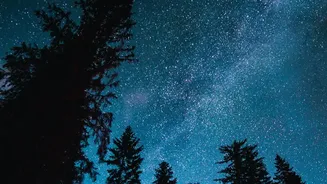
For the majority of the world's population, a truly dark sky is a forgotten sight. More than 80% of people live under light-polluted skies, a phenomenon where artificial light from cities scatters in the atmosphere, creating a permanent 'skyglow'. This glow washes out all but the brightest stars and completely obscures the magnificent sight of the Milky Way. Light pollution not only blocks our view of the universe but also disrupts ecosystems and can even affect human health by interfering with our natural sleep cycles. This makes destinations that actively protect their natural darkness increasingly precious. Organisations like DarkSky International now certify 'Dark Sky Places'—parks, reserves, and communities that have committed to minimising light pollution, preserving the night for both wildlife and wonder-seekers.
India's Celestial Sanctuaries
You don't need to travel across the globe to find pristine skies. India boasts several world-class stargazing destinations. The undisputed crown jewel is the Hanle Dark Sky Reserve in Ladakh, India's first and only officially designated reserve. Nestled high in the Himalayas within the Changthang Wildlife Sanctuary, Hanle offers some of the darkest skies on Earth. Here, local villagers have been trained as 'Astronomy Ambassadors' to guide visitors, making the experience both educational and beneficial to the community. Other incredible locations include the high-altitude desert of Spiti Valley in Himachal Pradesh, the vast salt flats of the Rann of Kutch in Gujarat during the winter months, and the remote sand dunes near Jaisalmer, Rajasthan. Each offers a unique landscape from which to witness the cosmos in its full glory.
Planning Your Stargazing Trip
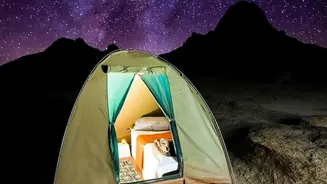
A successful stargazing holiday requires a little planning. The single most important factor is the moon; for the darkest skies and best views of the Milky Way, always plan your trip around the new moon. For high-altitude destinations like Ladakh and Spiti, the summer months from May to October offer the clearest weather and accessible roads. For desert locations like the Rann of Kutch or Jaisalmer, the cooler, drier period from October to February is ideal. You don't need to be an expert to enjoy the experience. Many tour operators and desert camps provide telescopes and guided sessions. Simply pack warm clothes, as even desert nights can get cold, and prepare to be amazed by the universe revealing itself above you.