



A New Model for Exploring the Moon
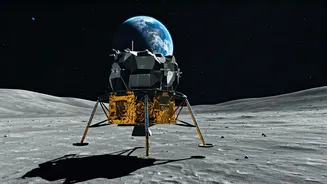
At the heart of this new lunar push is NASA's Commercial Lunar Payload Services (CLPS) initiative. Unlike the Apollo era, where NASA designed and built nearly everything, CLPS flips the script. The agency now acts as a customer, purchasing payload delivery
services from a growing list of American companies. This approach leverages the innovation and speed of the private sector, aiming to lower costs and increase the frequency of missions to the lunar surface. On June 30, 2026, NASA announced it had awarded nearly $600 million in new contracts to three companies—Astrobotic, Firefly Aerospace, and Intuitive Machines—for four new robotic landings scheduled for 2028. This model is designed to create a reliable logistics chain to the Moon, a crucial step before committing to long-term human habitation.
The Strategic Lure of the South Pole
The destination for these missions is no accident. The lunar south pole is considered prime real estate for a future base for one primary reason: the potential for water ice. In permanently shadowed craters at the pole, temperatures are low enough to have trapped ice for billions of years. This water is a game-changing resource. It can be harvested to provide drinking water and breathable oxygen for astronauts. Even more critically, it can be broken down into its constituent elements, hydrogen and oxygen, to create rocket propellant. Having a local source of fuel could turn the Moon into a refueling station for deeper space exploration, including future crewed missions to Mars. These early CLPS missions are tasked with prospecting for these resources and studying the environment to determine the best locations for a future Artemis Base Camp.
The Key Players and Their Missions
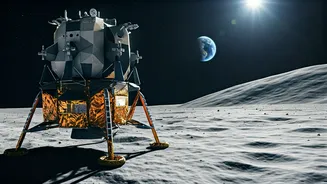
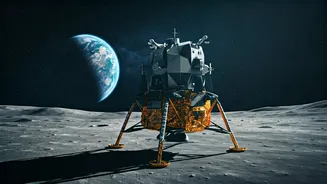
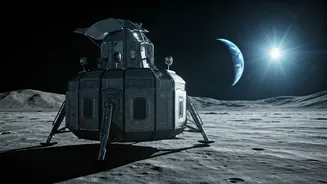
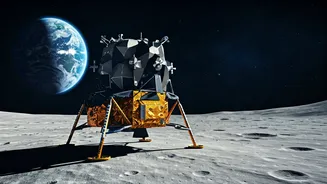
The recent funding injection highlights the central role of commercial partners. Astrobotic Technology secured the largest share, $297.9 million, for two deliveries using its Peregrine landers. Firefly Aerospace was awarded $144.2 million for a mission with its Blue Ghost lander, while Intuitive Machines received $148.3 million for a flight of its Nova-C class lander. These companies have a mixed but growing track record; Firefly achieved a fully successful landing in 2025, while Intuitive Machines reached the surface twice but tipped over, limiting its missions. Astrobotic's first attempt in 2024 failed to reach the Moon. These new missions will carry science instruments to study the lunar environment and test technologies needed for a sustainable human presence. This iterative process, learning from both successes and failures, is a core part of the CLPS strategy.
Laying the Foundation, Brick by Robotic Brick
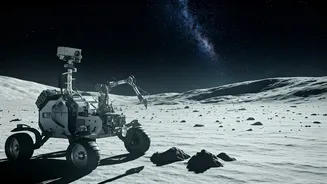
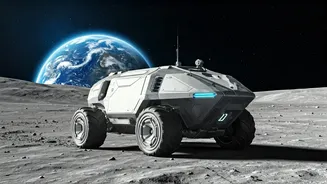
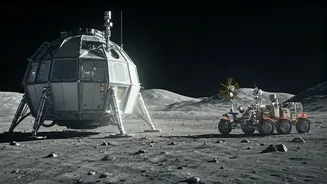
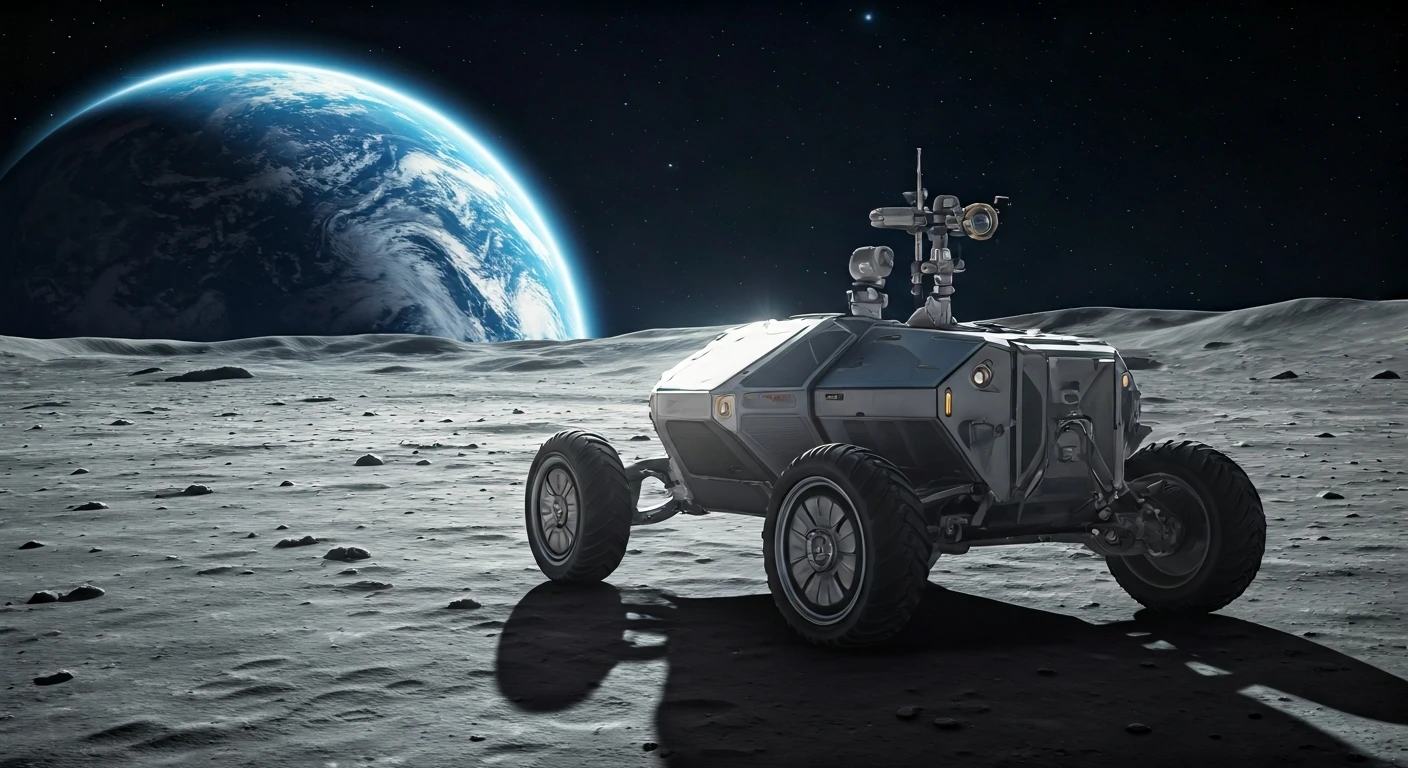
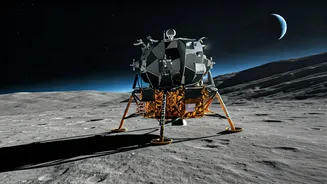
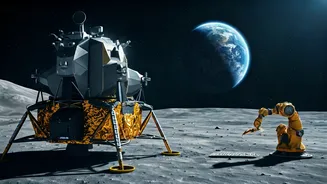
These commercially-operated robotic landers are the uncrewed scouts paving the way for astronauts. NASA's plan for a Moon Base is a phased approach, beginning with robotic exploration through 2029 to map the terrain and test technologies. The missions funded by the recent CLPS awards are central to this first phase. They will deliver science payloads like cameras to study how rocket plumes interact with lunar dust and retroreflectors to help future spacecraft navigate and land precisely. Subsequent phases will focus on constructing infrastructure like habitats and power systems, with the goal of supporting long-term human habitation after 2032. By sending robots first to do the risky but essential survey work, NASA is building a proving ground for the systems and operations that will keep future Artemis astronauts safe and productive on the lunar surface.