




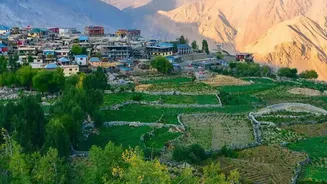

If your travel daydreams are shifting from crowded hotspots to serene, undiscovered landscapes, you are not alone. A major new report from Agoda confirms a massive trend: Indian travellers are leading Asia in the quest for the road less travelled.
The Data: A Shift in Wanderlust
Digital
travel platform Agoda has captured this changing tide in its '2027 Asia Travel Pulse' report. The headline statistic is striking: 55% of Indian travellers plan to visit a lesser-known destination in the coming year. This figure is significantly higher than the Asian average of 36%, positioning Indians as the region's most adventurous explorers. The report, based on a survey of over 3,300 travellers, highlights that this is not just about avoiding crowds but about actively seeking unique experiences. According to Gaurav Malik, Agoda's Country Director, Indian travellers are becoming more 'intentional' about how they see the world, prioritising unique journeys and meaningful escapes.
From Sightseeing to Soul-Searching
What is driving this move away from the mainstream? The trend is rooted in a deeper psychological shift. The post-pandemic world has left many with a desire to disconnect from screens and reconnect with nature. This has fuelled a surge in 'experiential travel', where the goal is no longer just to see a place, but to engage with it deeply. Outdoor adventures are a primary motivator, with 42% of Indian travellers citing them as a key reason for their trips. This search for meaning also extends to spiritual journeys, with Indians showing a preference for such trips that is three and a half times higher than the Asian average. This combination of adventure and purpose is redefining the very idea of a vacation, moving it from passive relaxation to active restoration.
The New Must-Visit Destinations
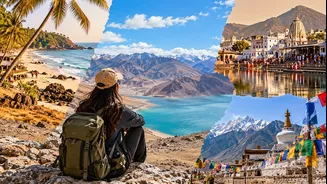
This trend is reshaping the travel map of India. While classic destinations will always have their charm, the focus is now on hidden gems. Agoda's data shows surging interest in places like Pushkar, Dharamshala, and Leh. These locations offer a perfect blend of adventure, spirituality, and culture, away from the hustle of major tourist hubs. The appeal of the mountains is particularly strong, with destinations in Himachal Pradesh, Uttarakhand, and Ladakh seeing a boom. Travellers are choosing the tranquil Tirthan Valley over Shimla, or exploring the serene landscapes of Ziro in Arunachal Pradesh. This shift benefits not only the travellers, who get a more authentic experience, but also local economies in these less-frequented regions.
Adventure is the New Luxury
The adventure tourism market in India is expanding at a remarkable rate, projected to grow by over 17% annually. This growth is driven by a wide range of travellers, especially millennials and Gen Z, who prioritise experiences over possessions. 'Adventure' itself has a broad meaning; it can range from 'soft' activities like hiking and camping to 'hard' adventures like river rafting or paragliding. It is about pushing personal boundaries, whether that means completing a challenging trek in the Himalayas or simply exploring a village on a rented bicycle. This form of travel provides a sense of accomplishment and a deeper connection to the destination, creating memories that last longer than a typical souvenir.
Embracing this trend does not require you to be an extreme athlete. The first step is to think about what 'adventure' means to you. Is it solitude in nature, a cultural deep-dive, or a physical challenge? Start by researching destinations that align with your interests. Look for homestays or eco lodges to get a more local experience. Places like Majuli in Assam, the world's largest river island, or the serene backwaters of Munroe Island in Kerala offer unique escapes. When visiting these less developed areas, responsible tourism is key. Support local businesses, respect the environment, and be mindful of the local culture. By doing so, you contribute to preserving the very qualities that make these offbeat destinations so special.