




Intensity and Cardiovascular Health
Skating, whether on roller skates or inline blades, is a fantastic cardiovascular workout. A steady skate raises your heart rate, comparable to jogging, and can burn between 300 to 600 calories an hour depending on your pace. It’s considered a moderate-to-vigorous
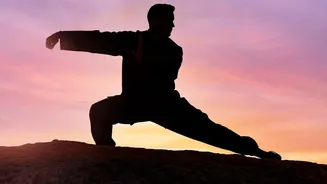
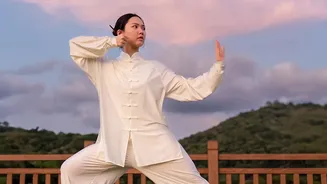
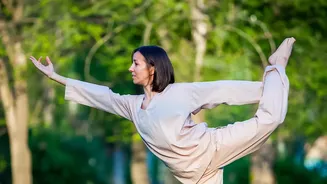
aerobic exercise that builds endurance and strengthens the heart. In contrast, Tai Chi is a low-impact, gentle exercise often described as 'meditation in motion'. While it is less demanding on the cardiovascular system than skating, studies show it can still lower blood pressure and improve cardiovascular fitness, especially in older adults. A Harvard study even found that Tai Chi produced similar reductions in body weight and cholesterol as conventional aerobic exercise over a 12-week period. For those seeking high-energy calorie burn, skating has the edge. For those wanting a gentler path to heart health, Tai Chi is an excellent choice.
Balance, Core Strength and Coordination
Both activities are champions of balance, but they build it in different ways. Skating develops 'dynamic balance'—the ability to stay stable while in motion. Every push, glide, and turn forces your core muscles to fire constantly to keep you upright. This strengthens not only your abdominals and lower back but also the smaller stabilising muscles in your legs and hips. Tai Chi builds balance through slow, deliberate, and controlled movements. The practice teaches you to be aware of your centre of gravity as you shift your weight gracefully from one posture to the next. Research has shown Tai Chi is highly effective at improving balance and significantly reducing the risk of falls, particularly in older adults. While skating improves reactive balance for a fast-paced world, Tai Chi cultivates a deep, grounded sense of stability.
Muscle Toning and Joint Impact
Skating provides a full-body workout. It heavily engages the legs and glutes with every stride, toning your quads, hamstrings, and calves. The side-to-side motion also works the inner and outer thigh muscles that are often missed in other exercises like running. Despite being a weight-bearing activity that can help improve bone density, skating is surprisingly low-impact. The smooth gliding motion is much gentler on the knees, hips, and ankles compared to high-impact activities. Tai Chi also strengthens muscles, but through sustained postures and slow transitions rather than explosive movements. It improves flexibility and range of motion in the joints. As a no-impact exercise, it is exceptionally gentle and suitable for people of all fitness levels, including those with joint pain or conditions like arthritis.
Mental Wellness and Accessibility
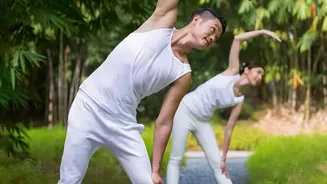
Beyond the physical, both practices offer mental benefits. The rhythmic motion and focus required for skating can be a great stress reliever and mood booster. There's also a strong social component, whether at a rink or with a local skate group. Tai Chi is a form of moving meditation. Its focus on deep breathing, mindfulness, and flowing movements helps calm the nervous system, reduce anxiety and depression, and improve mental focus. In terms of accessibility, Tai Chi requires no special equipment and can be practised almost anywhere, often in community groups in local parks. Skating requires skates and protective gear, and a safe, smooth surface. While the initial investment might be higher, the joy of gliding through a park or along a promenade offers a unique sense of freedom and fun.