







The Classic Side-Part
Simple, elegant, and endlessly versatile, the deep side-part is a cornerstone of many vintage looks. A dramatic part, often aligned with the arch of the eyebrow, creates an instant touch of old-world sophistication. This style was prominent across several
decades, serving as the foundation for both sleek, polished looks and voluminous, wavy styles. To achieve it, part your hair while it's still damp to help train it. For a polished, slicked-back effect reminiscent of the 1930s and '40s, use a fine-tooth comb and a light pomade or gel to smooth down flyaways. For a softer, 'old Hollywood' feel, part the hair and then create gentle waves with a large-barrel curling iron, allowing the hair to sweep gracefully across the forehead. The beauty of the side-part is its ability to frame the face and add a sense of deliberate style with minimal effort.
1920s: Elegant Finger Waves
The Roaring Twenties were defined by rebellion and glamour, and nothing captures that spirit quite like finger waves. These iconic 'S'-shaped waves were sculpted close to the scalp, creating a sleek, polished look that perfectly complemented the popular bob haircuts of the era. While they have a reputation for being difficult, the basic technique involves applying a strong-hold gel or mousse to very wet hair. Using a comb and your fingers, you push the hair to form a ridge and then comb it in the opposite direction to create the next wave, holding each 'S' shape as you go. Originally, the style was set by letting it dry completely, often under a hair dryer. Modern interpretations often feature soft finger waves just at the front to frame the face, offering a nod to the vintage style without the full commitment.
1940s: Iconic Victory Rolls
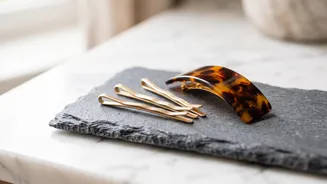
Born from the practical needs and patriotic spirit of the World War II era, Victory Rolls are one of the most recognizable hairstyles of the 1940s. Characterized by voluminous rolls of hair pinned on top of the head, this style was both glamorous and functional, keeping hair neatly away from the face—a necessity for women working in factories. To create Victory Rolls, it's often easiest to work with day-old hair, as it has more grip. Section the hair at the front, backcomb it at the roots to create volume, and then roll the section inward around two fingers toward your scalp. Once you've formed a neat roll, carefully slip your fingers out and secure it with bobby pins. You can create one large roll or two symmetrical ones on either side of a part. A spritz of strong-hold hairspray will keep everything in place for that perfect pin-up look.
1950s: The Rockabilly Poodle Updo
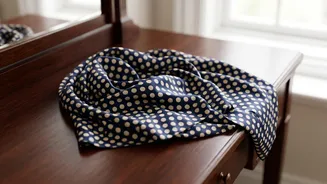
The 1950s embraced fun and femininity with a range of playful styles. While the polished pompadour and ponytail were popular, the Poodle Updo, famously worn by Lucille Ball, was a classic. This look involved piling short, tight curls on top of the head, resembling the fluffy coat of a poodle. It worked especially well for those with naturally curly hair but could also be achieved by setting the hair in small rollers. Another key '50s look was the Rockabilly style, which often incorporated elements like 'Bettie Bangs'—a very short, rounded fringe—and bold accessories like bandanas. Many Rockabilly styles featured voluminous curls and rolls, combining attitude with vintage glamour.
1960s: The Gravity-Defying Beehive
The 1960s reached for the sky, and so did the hair. The Beehive was the ultimate statement of volume, a tall, conical updo that was sophisticated and dramatic. Popularized by icons like Audrey Hepburn and The Ronettes, the style was created by Chicago hairstylist Margaret Vinci Heldt in 1960. Achieving this look requires a significant amount of backcombing, or teasing, especially at the crown of the head to build height. The hair is then smoothed over the teased foundation and pinned into its distinctive shape. A generous amount of hairspray was essential to keep the structure intact. Modern versions are often softer and less rigid, but the signature height at the crown remains a powerful retro statement.