



The Science of the Lean
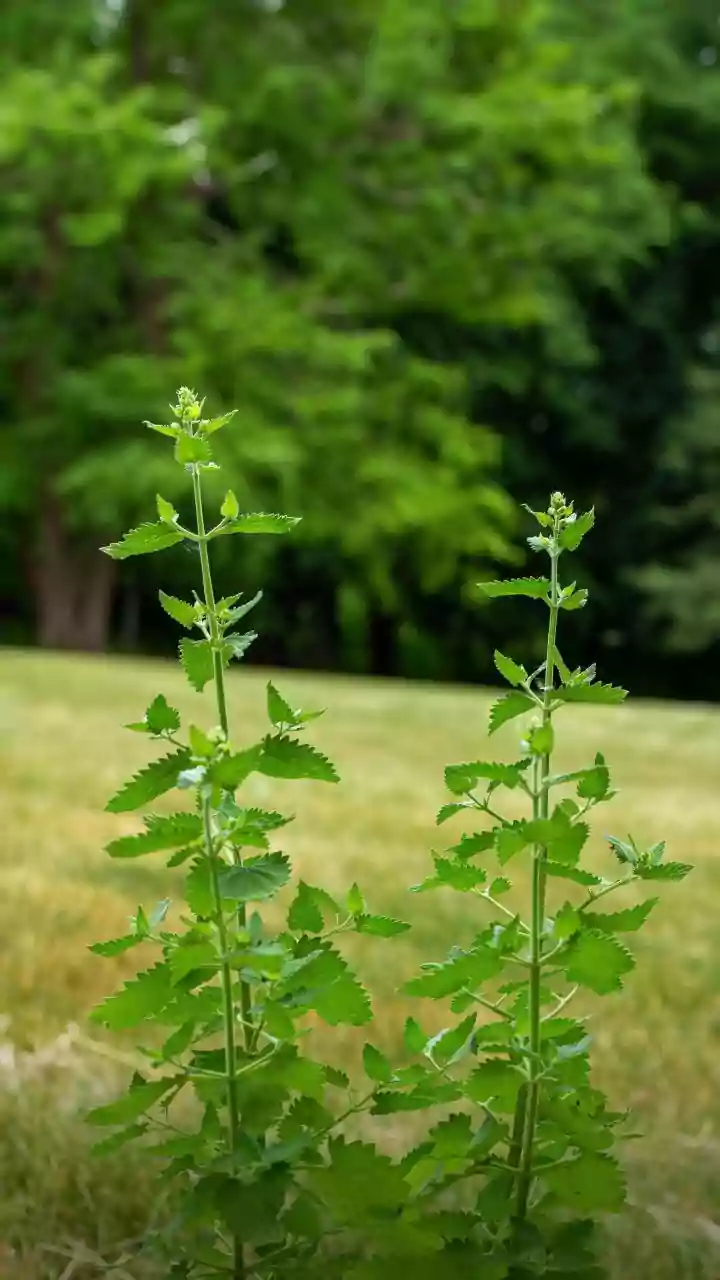
Have you ever noticed your houseplant leaning dramatically towards a window, like a sunbather angling for the best rays? This behaviour is a natural process called phototropism. Plants contain a hormone called auxin that promotes cell elongation. When
light comes from one direction, auxin concentrates on the shadier side of the stem. This causes the cells on the darker side to grow longer and faster, making the entire plant bend and stretch toward its light source, which it needs for photosynthesis. This is a powerful survival instinct, ensuring the plant maximizes its energy source. While this is perfectly normal, in a home environment it often results in a lopsided, unevenly developed plant.
The Compelling Case for Rotation
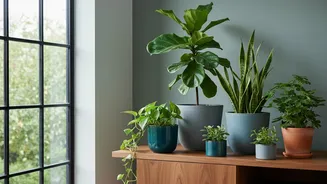
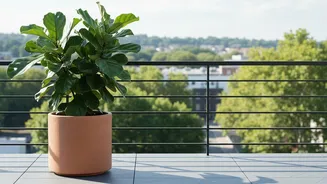
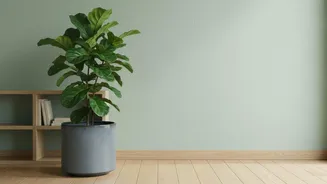
This is where the classic advice to rotate your plants comes from. By giving your plant a regular quarter-turn, you ensure that all sides receive relatively equal light exposure over time. This practice counteracts the plant's tendency to lean, encouraging it to grow more symmetrically and upright. The benefits are not just aesthetic; balanced light exposure promotes stronger stems and a fuller, bushier appearance as more leaves get their turn in the sun. For many common foliage plants, like Philodendrons, Pothos, and Fiddle-Leaf Figs, a consistent rotation schedule is key to helping them look their best indoors.
When Turning Causes Trouble
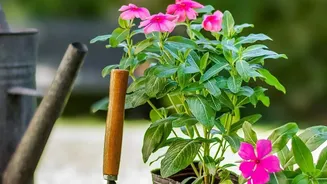
However, this is not a one-size-fits-all rule. For certain plants, frequent rotation can be stressful or even detrimental. The most notable exceptions are flowering and fruiting plants. Species like orchids, Christmas cacti, and some citrus plants invest a significant amount of energy orienting their leaves and, crucially, their flower buds toward a stable light source. If you rotate the pot after buds have formed, the plant may get confused and stressed by the sudden change in light direction. This can lead to a phenomenon known as 'bud blast,' where the plant abruptly drops its unopened buds, sacrificing the blooms it worked so hard to create.
Know Your Plant's Preference
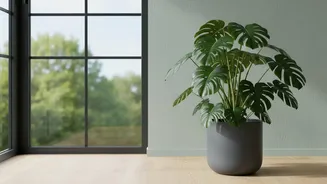
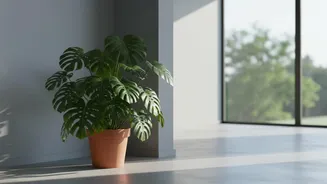
The key is to move beyond generic advice and understand the specific category your plant falls into. Many vining aroids, like Monstera deliciosa, have a distinct 'front' and 'back'. In nature, the back side would be pressed against a tree while the leaves on the front face the light; rotating them can disrupt this natural growth pattern and result in a tangled look. On the other hand, most cacti and succulents can be rotated freely to encourage even growth. The simple rule is to observe. If a plant has a clear directional growth habit (like a climbing Monstera) or is in the process of flowering, it's best to leave it be. If it's a foliage plant grown for its bushy appearance, rotation is your friend.
The Right Way to Rotate
If you've determined your plant is a good candidate for rotation, consistency is key. A simple quarter-turn (90 degrees) every week or two is a common recommendation. An easy way to remember is to tie the task to another habit, like turning the pot each time you water it. Always turn the pot in the same direction to create a predictable routine for the plant. If you have a plant that has already developed a significant lean, you can correct it. However, a sudden 180-degree turn can be a shock. A gentler approach is to use several smaller, more frequent quarter-turns over a few weeks to gradually encourage it to straighten up.