


Loktak Lake, Manipur
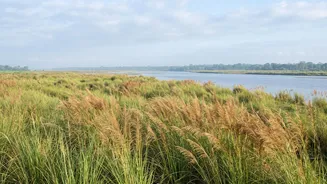
Known as the world's only floating lake, Loktak is a freshwater marvel in Manipur. Its most famous feature is the 'phumdis'—heterogeneous masses of vegetation, soil, and organic matter that float on its surface. The largest of these phumdis is home to
Keibul Lamjao National Park, the last natural habitat of the endangered Sangai deer, also known as the dancing deer. This unique ecosystem is not just a visual spectacle but also central to the livelihood of local communities, who live in floating huts called 'phumshangs' and practice a distinctive form of fishing. The lake's surface area varies dramatically, swelling from around 250 to 500 square kilometres during the monsoon season.
Tsomgo Lake, Sikkim
Located about 40 kilometres from Gangtok at an elevation of 12,313 feet, Tsomgo Lake (also called Changu Lake) is a breathtaking glacial lake surrounded by steep, snow-covered mountains. The lake is held in great reverence by the local Sikkimese people, and in ancient times, Buddhist monks would study the changing colours of its water to make prophecies. During winter, the lake remains completely frozen, creating a starkly beautiful landscape. In the summer, the snowmelt feeds the lake, and the surrounding area blooms with rhododendrons, primulas, and poppies. Visitors can enjoy rides on colourfully decorated yaks along its banks, making it one of Sikkim's most popular attractions.
Umngot River (Dawki), Meghalaya
The Umngot River, which flows through the border town of Dawki in Meghalaya, is famous for its unbelievably clear water. On a calm day, the water is so transparent that boats appear to be floating in mid-air, with the riverbed of pebbles and stones clearly visible many feet below. This surreal sight has made Dawki a magnet for photographers and travellers. The river serves as a natural boundary between the Khasi and Jaintia hills. The best time to witness this clarity is from November to February, before the monsoon rains arrive and stir up the water. A 1932 British-era suspension bridge hangs over the river, adding to the scenic charm of this unique location.
Nohkalikai Falls, Meghalaya
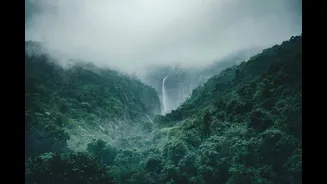
Plunging from a height of 1,115 feet (340 metres), Nohkalikai Falls near Cherrapunji is India's tallest plunge waterfall. Fed by rainwater collected on a plateau, its force is most spectacular during the monsoon season. The waterfall cascades into a deep plunge pool with water that has a distinct green or turquoise hue. The name 'Nohkalikai' translates from Khasi to 'Jump of Ka Likai' and is tied to a grim local legend about a woman named Likai who, driven by grief, leaped to her death from the cliff. This tragic backstory adds a layer of mystery to its majestic beauty.
Gurudongmar Lake, Sikkim
Situated at a staggering altitude of 17,800 feet, Gurudongmar Lake in North Sikkim is one of the highest lakes in the world. It is considered sacred by Buddhists, Sikhs, and Hindus. Legend says that the 8th-century Buddhist master Guru Padmasambhava touched and blessed a part of the lake, causing it to remain unfrozen even in the harshest winters to provide water for the locals. The lake's turquoise waters against a backdrop of barren, snow-dusted mountains create a surreal and otherworldly landscape. Due to its proximity to the Indo-China border and extreme altitude, access is regulated, and visitors are advised to acclimatize properly.
Umiam Lake, Meghalaya
Often the first stunning view that greets visitors entering Shillong, Umiam Lake is a vast man-made reservoir also known as 'Bara Pani' or 'big water'. It was formed in the early 1960s by damming the Umiam River for a hydroelectric project, the first in the region. Surrounded by lush Khasi hills, the sprawling lake has become a major tourist hub for Meghalaya, offering activities like kayaking, boating, and water cycling. Its serene beauty and the picturesque route along its banks make it a favourite spot for picnics and leisurely escapes.
Majuli Island, Assam
While not a lake or waterfall, Majuli is a remarkable waterscape—a massive river island nestled in the Brahmaputra River. Often cited as one of the world's largest river islands, it is the cultural heartland of Assamese Neo-Vaishnavite culture, established in the 16th century by the saint Srimanta Sankardev. The island is home to numerous 'satras' or monasteries, which are repositories of traditional Assamese arts, dance, and theatre. Accessible by ferry from Jorhat, Majuli offers a peaceful glimpse into a unique riverine way of life, though it continually faces challenges from erosion caused by the mighty Brahmaputra.
Sela Lake, Arunachal Pradesh
Located near the high-altitude Sela Pass in Arunachal Pradesh at about 13,700 feet, Sela Lake is another of the region's sacred gems. Often called 'Paradise Lake' for its stunning beauty, it is revered by local Monpa communities and Tibetan Buddhists. The lake is typically frozen during the winter, surrounded by sparse alpine vegetation and snow-capped peaks. It holds strategic importance, being near the Line of Actual Control and part of a key route connecting Tawang with the rest of the country. Its crystal-clear water reflects the Himalayan sky, creating a tranquil and mesmerizing sight for travellers on the scenic route to Tawang.