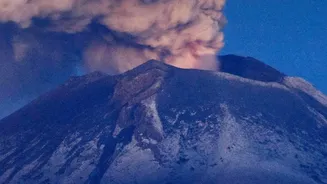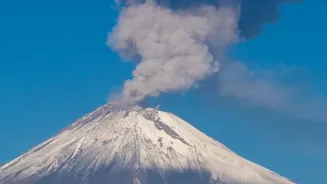



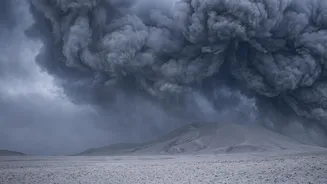
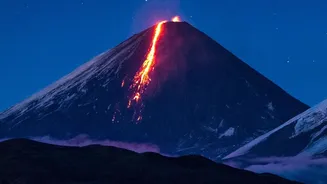
Volcán de Fuego, Guatemala (2018)
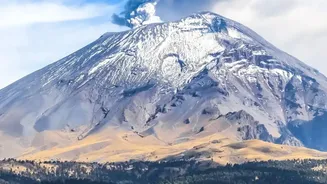
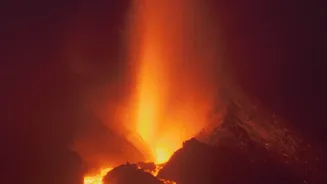
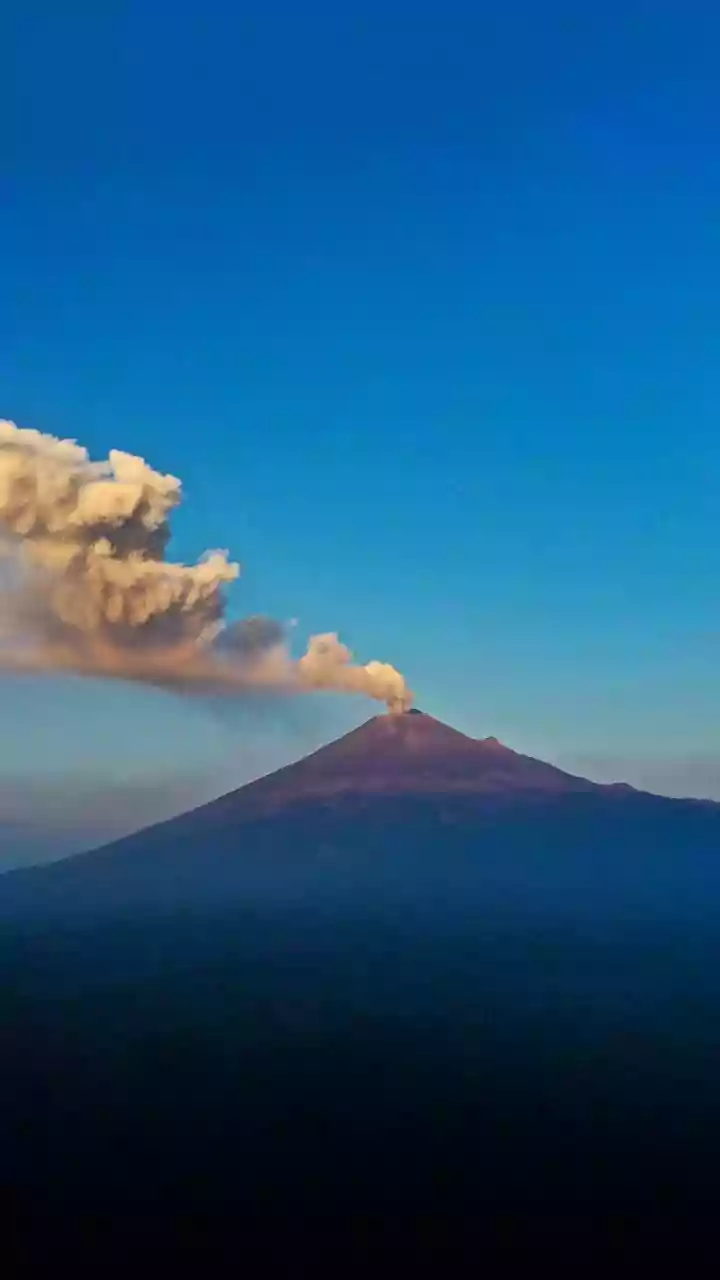
On June 3, 2018, Guatemala's "Volcano of Fire" lived up to its name with a terrifying eruption that became one of the deadliest of this century. Without significant warning, it unleashed a series of powerful explosions and pyroclastic flows—fast-moving
avalanches of hot gas, ash, and rock. These flows, reaching temperatures of around 700 degrees Celsius, raced down the mountainside and engulfed several villages, including El Rodeo and San Miguel Los Lotes. Many residents had no time to escape. The official death toll was placed at 190, with over 250 people reported missing, though local estimates suggest the number buried could be far higher. The disaster was so severe that the intense heat made identifying many victims incredibly difficult, requiring anthropological methods and DNA testing. More than 1.7 million people were affected by the ashfall, and the eruption was Guatemala's most severe in over four decades.
Mount Merapi, Indonesia (2010)
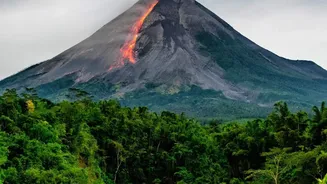
Mount Merapi, one of Indonesia's most active and dangerous volcanoes, unleashed a series of violent eruptions beginning in late October 2010. These events were catastrophic, ultimately claiming the lives of 386 people. The primary cause of death was the searing pyroclastic flows that swept down the volcano's slopes. One of the most devastating explosions occurred in early November, catching many villagers by surprise and overwhelming areas previously considered safe. Over 350,000 people were forced to evacuate their homes as ash blanketed the region, causing widespread disruption and closing airports. Despite the high death toll, experts believe that accurate warnings and forced evacuations saved countless more lives, highlighting the critical role of volcanic monitoring.
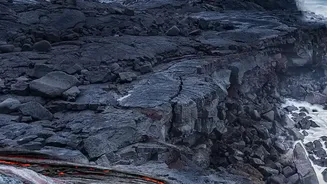
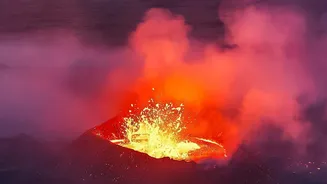
Mount Nyiragongo, Democratic Republic of Congo (2002)
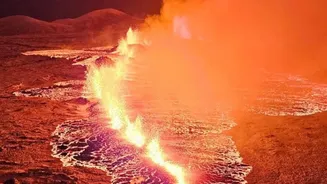
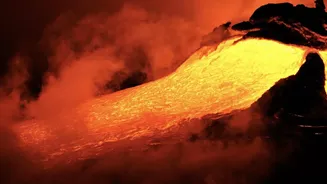
The eruption of Mount Nyiragongo in January 2002 was not deadly because of a massive explosion, but because of its uniquely fluid and fast-moving lava. When fissures opened on the volcano's southern flank, a river of molten rock drained from its summit lava lake and flowed directly into the city of Goma. Although authorities had issued warnings and evacuated around 400,000 people, approximately 245 people died. Many deaths were not from direct contact with lava but from related causes, such as carbon dioxide asphyxiation or building collapses due to earthquakes that followed the eruption. The lava destroyed 15% of Goma, including thousands of homes and a significant portion of the international airport's runway, leaving an estimated 120,000 people homeless.
Mount Ontake, Japan (2014)
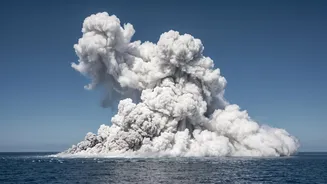
The eruption of Mount Ontake on September 27, 2014, was a different kind of volcanic tragedy. Unlike the others on this list, it was a phreatic, or steam-blast, eruption that occurred completely without warning. The volcano was a popular destination for hikers, and on a clear autumn weekend, several hundred people were near the summit when it suddenly ejected a massive cloud of toxic gas and ash. There was no lava flow, but the force of the blast and the shower of volcanic rock and ash were lethal. In the end, 63 hikers and tourists were killed, making it Japan's deadliest volcanic event since 1926. The tragedy served as a sobering reminder that even seemingly dormant volcanoes can pose an immediate and unpredictable threat, particularly to those who enjoy them for recreation.