





Every December, the hills of Nagaland come alive with a rhythm that is both ancient and new. This is the Hornbill Festival, a dazzling showcase of culture, a feast for the senses, and a party that lasts for ten unforgettable days.
The Festival of Festivals
Often called the 'Festival
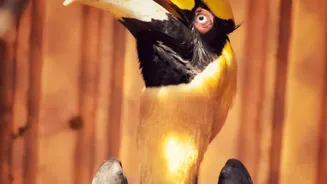
of Festivals', the Hornbill Festival is Nagaland's landmark cultural event, bringing together all of the state's major tribes for a single, grand celebration. Started in the year 2000 by the state government, its primary aim was to preserve and promote the rich, diverse heritage of the Naga people while encouraging inter-tribal interaction. Held annually from December 1 to 10, the festival coincides with Nagaland Statehood Day on December 1st. The event is named after the great Indian hornbill, a bird revered in Naga folklore and a symbol of the courage and beauty you'll see reflected in the festival's many performances.
A Celebration of Ancient Heritage
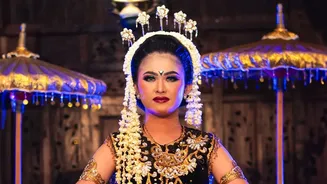
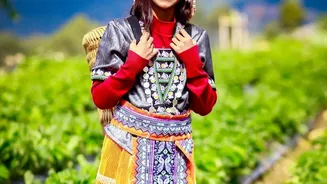
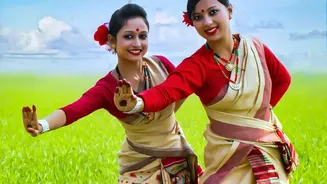
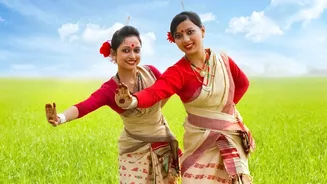
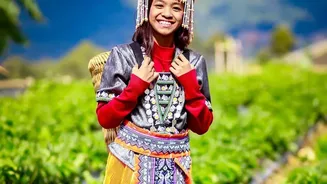
The heart of the festival beats at the Kisama Heritage Village, located about 12 kilometres from the capital city, Kohima. Here, each Naga tribe showcases its identity in traditional huts known as 'morungs'. These structures are not just exhibits; they are living spaces where you can interact with elders, witness daily customs, and understand the intricate social fabric of each community. The main arena pulses with activity from morning till afternoon, featuring mesmerizing folk dances like the energetic warrior dances and graceful harvest celebrations. Performers are adorned in spectacular traditional attire—intricate handwoven shawls, feathered headgear, and ornaments that tell stories of status, achievement, and clan history.
The Modern Beat of Hornbill
When the sun sets over Kisama, the celebration shifts to Kohima, where a different kind of energy takes over. Nagaland has a famed passion for rock music, and the Hornbill Music Festival is its biggest stage. This part of the festival features nightly concerts with a lineup of local, national, and sometimes international bands. While the format has evolved from the legendary Hornbill International Rock Contest to the present-day Hornbill Music Festival, the spirit remains the same: a powerful showcase of contemporary musical talent. As of late October 2026, the specific artist lineup has not been announced, but one guaranteed spot goes to the winner of 'Ticket to Hornbill,' a national band competition held earlier in the year. The music events typically run from 6 PM to 9 PM, offering a perfect, high-energy end to a day of cultural immersion.
More Than Just Song and Dance
Beyond the main stage, the festival is a true feast for all senses. Food lovers can explore a wide array of traditional Naga cuisine, famous for its smoked meats, bamboo shoot delicacies, and the fiery Naga king chilli. You can sample unique dishes prepared by each tribe at their respective morungs. The festival grounds are also a marketplace for exquisite local handicrafts, including handwoven shawls, intricate wood carvings, and beadwork. For those seeking a bit of thrill, the festival hosts a variety of indigenous games, Naga wrestling, traditional archery, and even a chilli-eating competition, offering a fun and interactive way to experience local traditions.
Planning Your 2026 Visit
The 27th Hornbill Festival will take place from December 1 to 10, 2026, at the Naga Heritage Village in Kisama. While the detailed day_by_day official programme is usually released closer to the date, the general structure is consistent each year. The opening and closing days are particularly grand, but mid_festival weekdays can be less crowded, allowing for better interaction with performers and artisans. The nearest airport and railway station are in Dimapur, from where it's a few hours' drive to Kohima. Accommodation in and around Kohima gets booked quickly, so it's wise to plan your stay well in advance, with options ranging from hotels and homestays to campsites.