








An Operation of Unseen Scale
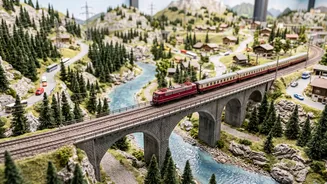
To understand the challenge, you first need to appreciate the scale. Miniatur Wunderland isn't just a few train sets in a basement; it's the world's largest model railway. The numbers are staggering: over 1,200 trains, more than 12,000 wagons, and a track
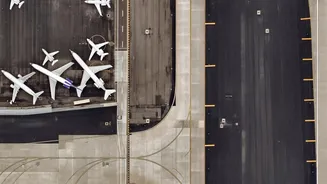
network stretching over 16 kilometers in length. Add to that thousands of computer-controlled cars, hundreds of thousands of tiny figurines, and complex systems that simulate everything from tides in the Scandinavian section to planes taking off at Knuffingen Airport. The attraction is open 365 days a year, often for extended hours, meaning there is virtually no downtime for the core systems that run this intricate universe. Keeping every component running smoothly is a monumental task that blends cutting-edge technology with meticulous hands-on work.
The Central Nervous System
At the heart of the operation is a glass-walled control room, a hub of activity that visitors can observe. Here, a team of technicians sits before a wall of monitors, overseeing every aspect of the Wunderland. Custom-developed software, much of it written in the Delphi programming language, acts as the digital brain. This system controls all train traffic, ensuring the more than 1,000 trains run on schedule and avoid collisions. The software also manages the innovative Car System, where vehicles steer themselves by following guide wires embedded in the roads, stopping at traffic lights and even giving way to emergency vehicles. This digital orchestration extends to the day-night cycle, which transitions every 15 minutes, cueing nearly half a million LEDs in buildings and vehicles to turn on and off in a realistic, staggered pattern.
Eyes and Hands on the Ground
While computers handle the grand symphony, human intervention is constant and crucial. Technicians in the control room are the first responders to any digital alert, which could signal a train derailment, a stalled car, or a malfunctioning signal. The IT infrastructure is deliberately decentralized, so a hardware failure in one section doesn't bring the entire world to a halt. Beyond the control room, a team of model makers and technicians is always at work in open workshops. These are the craftspeople who repair the intricate scenery, fix mechanical issues on the trains themselves in a dedicated repair shop, and maintain the thousands of interactive push-button features that allow visitors to trigger events across the layout. Their work is a constant battle against wear and tear in a world that is always in motion.
The Never-Ending Night Shift
Much of the most critical work happens after the last visitor has gone home. The overnight hours are dedicated to intensive maintenance that would be impossible during operating hours. This is when specialized vacuum and cleaning trains patrol the 16 kilometers of track, removing the dust and grime that can interfere with the electrical contacts essential for smooth operation. Technicians walk the layouts, performing detailed inspections, repairing or replacing worn-out sections of track, and testing new components before they are integrated into the live system. This preventative maintenance is key to the Wunderland's high operational reliability and ensures that when the doors open in the morning, the illusion of a perfectly functioning miniature world is ready for a new day.