



Meet the New Groundskeeping Crew
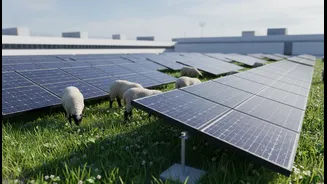
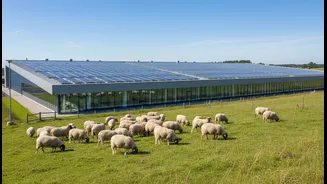
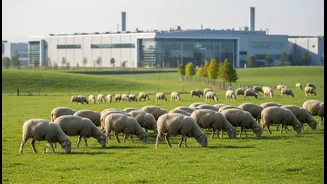
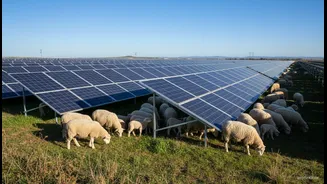
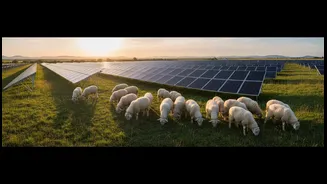
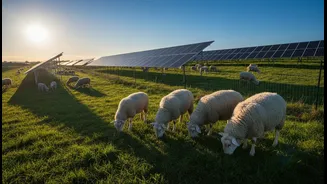
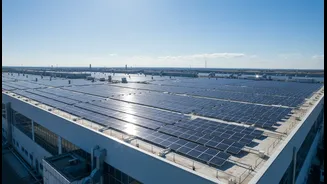
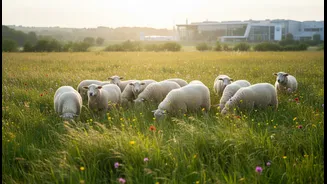
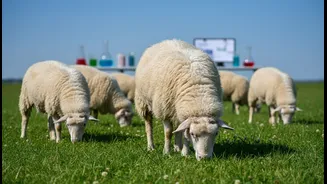
At Volkswagen's manufacturing plant in Poznań, Poland, the familiar drone of lawnmowers has been replaced by the gentle grazing of 100 sheep. These four-legged employees are tasked with maintaining the grounds of a massive solar farm that helps power
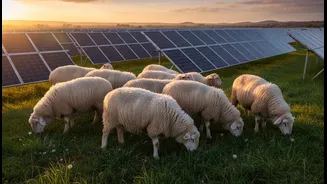
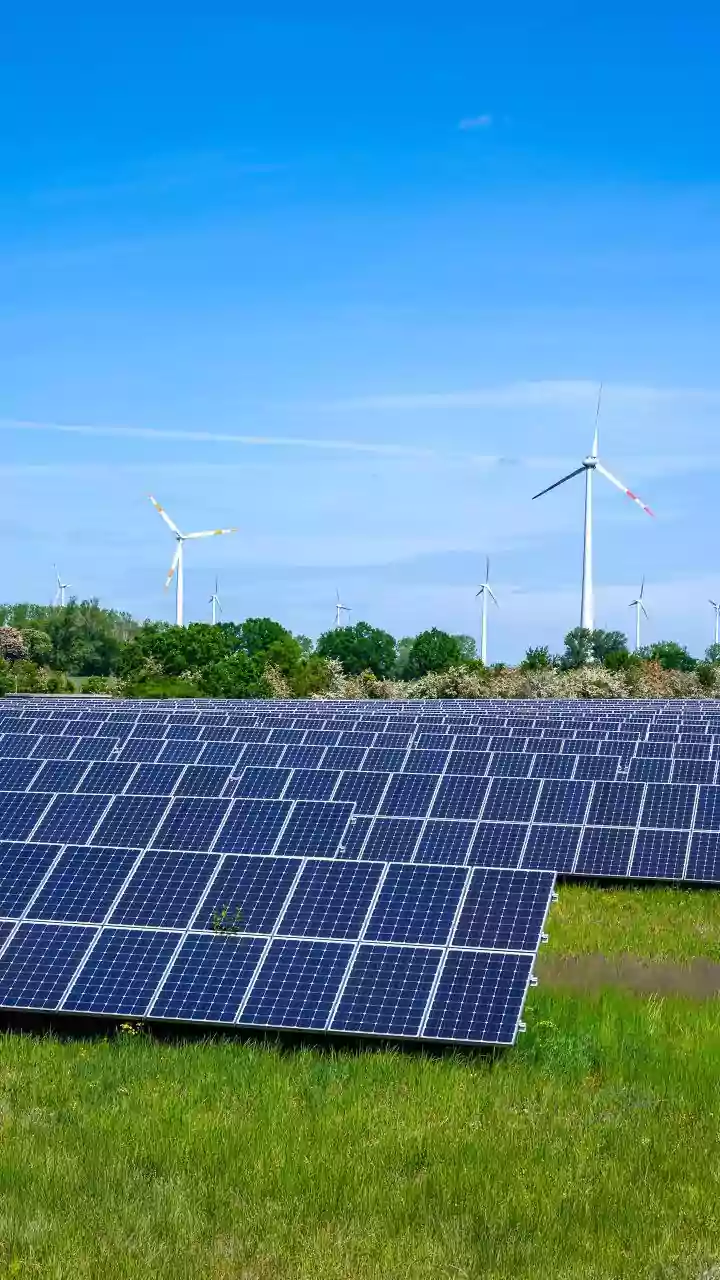
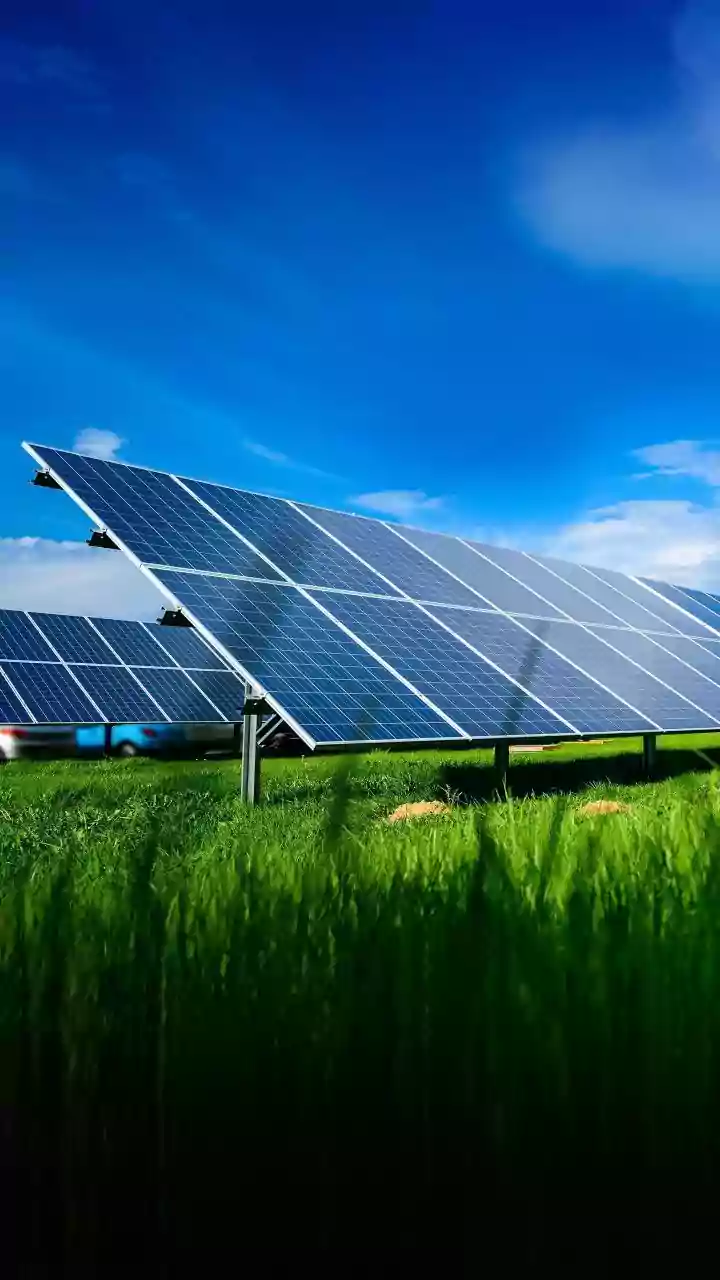
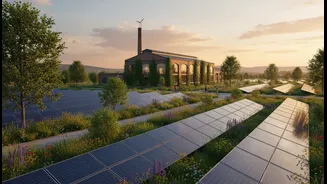
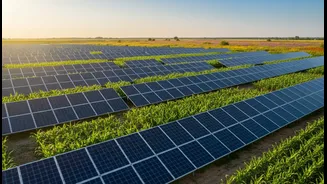
the factory, which produces vehicles like the VW e-Crafter van. Instead of relying on fossil-fuel-powered machines, the company has embraced a more natural, and surprisingly effective, form of vegetation management. The sheep graze beneath and between the more than 31,000 solar panels, keeping the grass trimmed and preventing it from shading the panels and reducing their efficiency. This project is part of a growing movement known as agrivoltaics, which combines agriculture and solar power generation on the same piece of land.
The Ecological Edge of Grazing
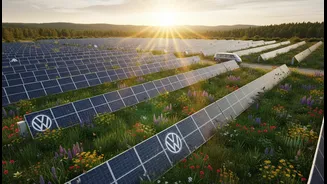
The choice to use sheep over mowers is about much more than just cutting costs or emissions. Mechanical mowing creates a uniform, short lawn, a virtual desert for most insects and pollinators. Grazing, on the other hand, fosters a complex and varied landscape. Sheep are selective eaters, so they don't cut everything to the same height. Their activity creates a mosaic of different grass lengths, patches of bare ground from their hooves, and areas where wildflowers can bloom. This structural diversity is critical for a wide range of insects, from ground-nesting bees to butterflies, which need different plants and conditions to thrive. Furthermore, the sheep's manure naturally fertilizes the soil, improving its health and ability to support a wider array of plant life without artificial chemicals.
A Laboratory for Biodiversity
Volkswagen's project in Poland isn't just a passive environmental effort; it's an active scientific study. The company has partnered with researchers from Poznań University of Life Sciences to analyze the effects of the grazing flock. Scientists are closely monitoring changes in biodiversity, soil quality, plant growth, and even the welfare of the sheep themselves. The goal is to gather concrete data on how industrial sites can be repurposed to support local ecosystems. Early observations are promising. The flock's owner reports that the sheep have adapted well, grazing calmly in small groups—a sign that they feel safe and unstressed in their unusual environment. This suggests that large-scale industrial facilities and nature can indeed coexist in harmony.
Part of a Bigger Green Mission
This initiative is a tangible example of Volkswagen’s broader 'goTOzero' environmental strategy, which aims to minimize the company’s environmental impact across its entire life cycle and become a net-carbon-neutral company by 2050. While much of this strategy focuses on vehicle electrification and reducing factory emissions, the sheep project highlights another crucial pillar: preserving ecosystems. By actively managing its own land to promote biodiversity, Volkswagen is demonstrating a more holistic approach to corporate responsibility. It's a shift from simply doing less harm to actively trying to do some good, using company-owned land as a resource for positive environmental change. This kind of nature-based solution is gaining traction as corporations look for innovative ways to meet their sustainability goals.