



The Grand Plan
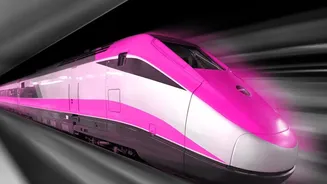
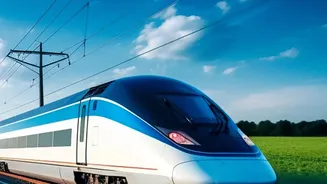
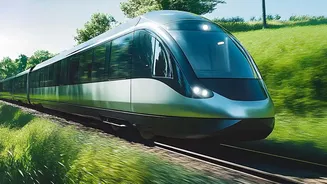
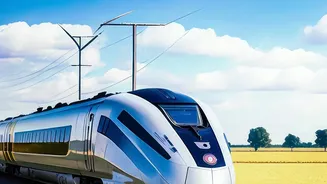
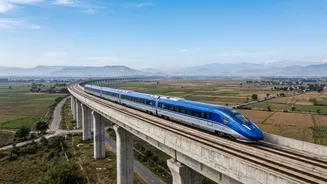
At the heart of the proposal is the Delhi-Varanasi High-Speed Rail (DVHSR) corridor, one of several bullet train projects envisioned to modernize India's passenger railway network. Managed by the National High Speed Rail Corporation Ltd. (NHSRCL), the project aims
to connect the national capital with the spiritual hub of Varanasi via a dedicated track built for speeds exceeding 300 kilometres per hour. Spanning a proposed length of over 800 kilometres, this corridor is not just about a single route; it represents a monumental leap in national infrastructure, intended to serve as a backbone for economic growth and development across the densely populated northern plains.
Charting the Corridor's Path
The preliminary route for the DVHSR is designed to connect several key urban, economic, and cultural centres. While the final alignment is subject to detailed surveys and government approvals, the proposed corridor is expected to originate in Delhi and traverse through Uttar Pradesh. Major proposed stations along the way include Noida's Jewar airport, Agra, Kanpur, Lucknow, and Prayagraj before terminating at Varanasi. This alignment is strategic, linking major population centres, industrial zones, and pilgrimage sites. By connecting these dots with high-speed efficiency, the project aims to create a seamless economic artery that facilitates business, tourism, and daily commutes on an unprecedented scale.
From Half a Day to Three Hours
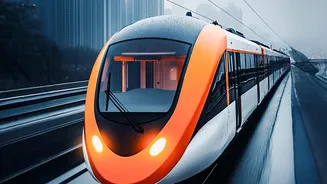
The most compelling promise of the bullet train is the dramatic reduction in travel time. Currently, the journey between Delhi and Varanasi by the fastest trains takes anywhere from 10 to 12 hours. The high-speed rail corridor aims to slash this to under four hours, with some estimates suggesting a journey time as low as three hours. This will be achieved using advanced technology, likely modelled on Japan's famed Shinkansen system, renowned for its safety, reliability, and punctuality. Such a drastic time-saving would effectively turn a long-haul overnight journey into a short-haul day trip, completely transforming the possibilities for both business travellers and tourists alike.
Economic and Social Ripple Effects
The benefits of the DVHSR extend far beyond just speed. The construction phase itself is expected to generate thousands of jobs. Post-completion, the corridor will likely trigger significant economic activity around its stations, encouraging investment in hospitality, real estate, and local commerce. For tourism, it’s a game-changer, making the famed 'Golden Triangle' (Delhi-Agra-Jaipur) more accessible and better integrating it with the spiritual circuits of Prayagraj and Varanasi. Furthermore, by offering a fast, reliable, and potentially greener alternative to road and air travel, the project can help decongest existing transport networks and reduce the region's carbon footprint.
The Hurdles on the Track
A project of this magnitude is not without its challenges. The two biggest hurdles are land acquisition and financing. Acquiring a continuous, straight-line corridor of land through one of India's most populous regions is a complex socio-political and logistical task. Ensuring fair compensation and smooth rehabilitation for affected landowners is critical to the project's progress. The second major challenge is the immense cost, which runs into lakhs of crores. Securing funding, whether through international partnerships, government outlay, or private investment, remains a monumental task. The detailed project report (DPR) has been prepared and submitted, but the final green light from the central government, which involves weighing these costs against the long-term benefits, is still awaited.