

The Alpine Allure and Its Demands
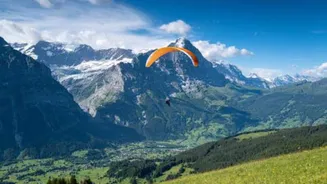
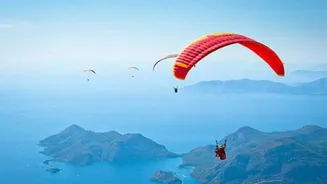
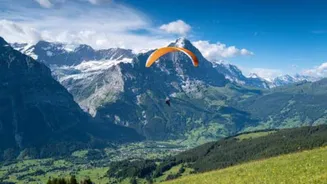
Flying in the mountains is unlike any other form of paragliding. The sheer scale of the landscape, the power of the air, and the beauty are all amplified. Alpine flying offers the chance to use thermals—rising columns of warm air—to gain significant altitude
and cover impressive distances. But this environment is also less forgiving. Weather can change in an instant, launch and landing options can be limited, and the air itself is more complex. Acknowledging this duality is the first step; the mountains offer incredible rewards, but they demand respect and a professional mindset from every pilot, regardless of experience level.
Essential Gear for High-Altitude Flight
Your equipment is your lifeline in the sky, and alpine conditions require specific considerations. A certified wing (or glider) appropriate for your skill level is the foundation. It must be paired with a well-fitting harness that includes back protection and a recently repacked reserve parachute. A certified helmet is non-negotiable. Beyond the basics, alpine pilots rely on a suite of tools. A variometer provides audible and visual cues for altitude and lift, while a GPS is crucial for navigation. A radio for communication with other pilots and ground support is a vital safety tool. Proper clothing, including layers, windproof jackets, gloves, and sturdy boots, is also critical, as temperatures can drop significantly with altitude.
Decoding the Mountain Weather
Weather assessment in the Alps is a science in itself. A general forecast is only the starting point. Pilots must understand microclimates and phenomena unique to mountainous terrain. This includes valley winds, which can flow uphill during the day, and the development of cumulus clouds that often indicate strong thermals. However, pilots must also recognize signs of danger, such as large, developing 'cauliflower-shaped' clouds that signal instability and potential storms. Checking wind speed and direction at different altitudes is crucial, as conditions at the summit can be vastly different from the valley floor. Experienced pilots use multiple sources, including specialized apps like Windy and XC Skies, and real-time data from weather stations to build a complete picture before deciding to fly.
The Preflight Ritual: Your Final Safety Net
Before every single flight, a systematic check is performed. This ritual, often called a preflight check, ensures that both the pilot and the equipment are ready. A common method is a 5-point check that confirms the helmet and harness are buckled, the carabiners are locked, and the reserve parachute pin is secure. The pilot then inspects the glider, laying it out to check for any damage and ensuring all lines are clear and untangled. The 'A' risers should be on top, and the speed bar system (if used) must be free of snags. This process also includes a final assessment of the immediate environment: observing the windsock or other indicators to judge the wind cycle, identifying the launch and flight path, and ensuring the air is clear of other traffic.
Mental Preparedness and Site Awareness
Beyond gear and weather, a pilot's mental state is a critical safety factor. Flying when overly tired, stressed, or feeling pressured is a recipe for poor decision-making. You must be honest about your skill level and be willing to cancel a flight if conditions are beyond your capabilities. Part of this preparation involves studying the specific site. Before launching, understand your landing options, including potential emergency landing fields. Read any site guides or information boards, as they contain crucial rules regarding approach patterns and no-fly zones. Knowing the layout of the land and respecting local regulations are just as important as checking your lines and buckles.