






Why the Recall Was Issued
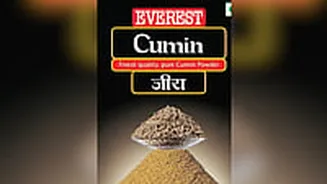
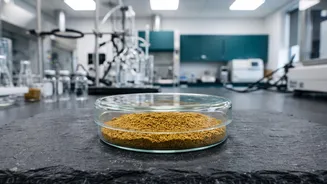
The Food Safety and Standards Authority of India (FSSAI) directed Everest Food Products Pvt Ltd to recall its pre-packed cumin powder from batch number E080668761. The action was taken after a regulatory sample, collected from a resort in Goa, was tested
and found to contain pesticide residues above the legal limits. Specifically, the tests detected Azoxystrobin and Thiamethoxam, leading the food analyst to declare the sample 'unsafe' under the Food Safety and Standards Act, 2006. Everest was given a chance to appeal, but a second test at a Referral Food Laboratory confirmed the initial findings, cementing the decision to issue a nationwide recall for the entire affected batch.
How to Check Your Spice Box
The recall is highly specific and does not apply to all Everest products. Consumers are advised to check any packages of Everest Cumin Powder they have at home for the batch number. This number, E080668761, is typically printed on the packaging. Only products marked with this exact batch number are part of the recall. If your packet has a different batch number, it is not subject to this particular safety alert. The FSSAI has emphasized that the action is confined to this single, implicated batch, and should not be taken to mean all cumin powders are unsafe.
What Are the Contaminants?
The two substances found in the cumin powder sample are common agricultural pesticides. Azoxystrobin is a broad-spectrum fungicide used to protect crops from various fungal diseases. Thiamethoxam is a systemic insecticide used to control a wide range of pests. While they are approved for agricultural use, their presence in finished food products is strictly regulated. The FSSAI sets Maximum Residue Limits (MRLs) for such chemicals to ensure food is safe for consumption. In the case of batch E080668761, the levels of these two pesticides were found to exceed the permissible safety threshold.
What To Do If You Have the Recalled Batch
If you find that your Everest Cumin Powder is from batch E080668761, the advice is clear: do not consume it. FSSAI has directed Everest to withdraw all products from this batch from the market immediately. Consumers should dispose of the product. Trying to make it safe by washing or cooking is not a reliable method for removing pesticide residues and is not recommended. Everest Food Products has been instructed to keep complete records of the recalled products and report its progress to the authorities.
Broader Context of Spice Safety
This incident highlights the ongoing challenges in maintaining safety standards in complex global supply chains. Spices often travel long distances from farms to factories to kitchens, with many opportunities for contamination. After harvesting, spices are often dried on the ground, where they can be exposed to bacteria and other contaminants. Studies have previously shown that spices, including cumin and pepper, can sometimes carry pathogens like Salmonella or pesticide residues. This recall, initiated by India's own regulator, is part of a broader effort by FSSAI to step up enforcement and ensure the safety of food products sold domestically.