



Moving beyond just wheat and rice can transform your meals and health. Ancient grains like teff, barley, millet, and sorghum are packed with nutrients and offer unique flavours, making them a worthy addition to any modern Indian kitchen.
Teff: The Tiny Nutritional Giant
Teff is one of
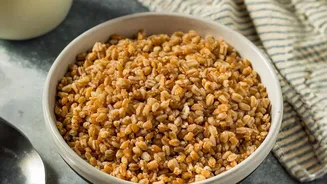
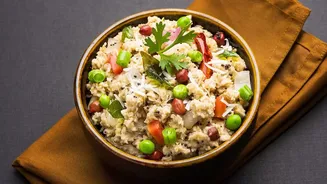
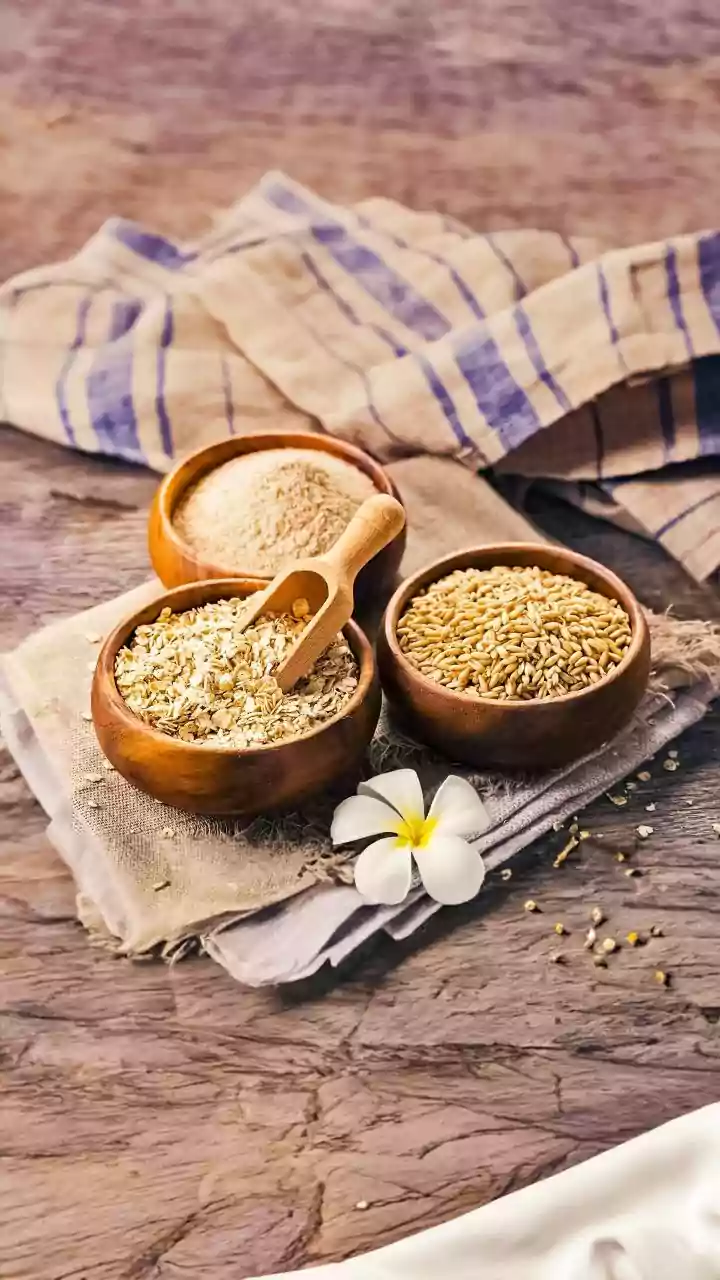
the smallest grains in the world, but it packs a powerful nutritional punch. Native to Ethiopia, this grain is gaining global popularity for being a gluten-free powerhouse. It's an excellent source of iron, protein, and calcium; in fact, it provides more calcium and iron than most other grains. Teff is also rich in dietary fibre, which aids digestion and helps maintain stable blood sugar levels, making it a favourable choice for long-lasting energy. Its high protein content contributes to feeling full for longer, which can support weight management goals. In the kitchen, teff has a mild, slightly nutty flavour. The whole grains can be cooked into a porridge similar to oatmeal, added to salads, or used as a filling for stuffed vegetables. Teff flour is versatile and can be used in baking everything from pancakes and cookies to bread.
Barley: The Heart-Healthy Staple
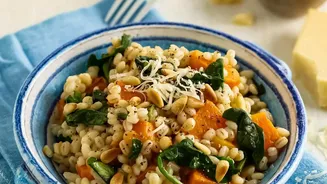
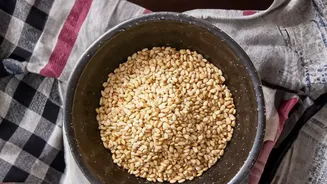
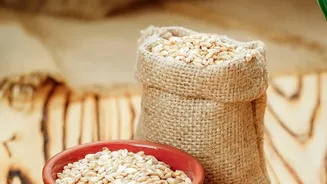
Known as 'Jau' in India, barley is an ancient grain that has been cultivated for centuries. It's celebrated for its high content of a soluble fibre called beta-glucan, which is known to help reduce cholesterol levels and lower the risk of heart disease. This fibre also forms a gel-like substance in the gut, which slows down digestion, promotes a feeling of fullness, and helps regulate blood sugar. Barley is a good source of essential minerals like magnesium, iron, and B vitamins. While hulled barley is the most nutritious version, pearl barley, which has the bran removed, cooks faster. Barley's chewy texture and nutty flavour make it a great addition to soups, stews, and salads. It can also be used as a wholesome substitute for rice in dishes like khichdi or pulao. Barley water is a traditional refreshing drink known for its cooling properties.
Millet: The Versatile Indian Heritage Grain
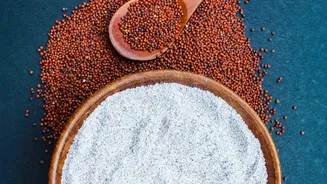
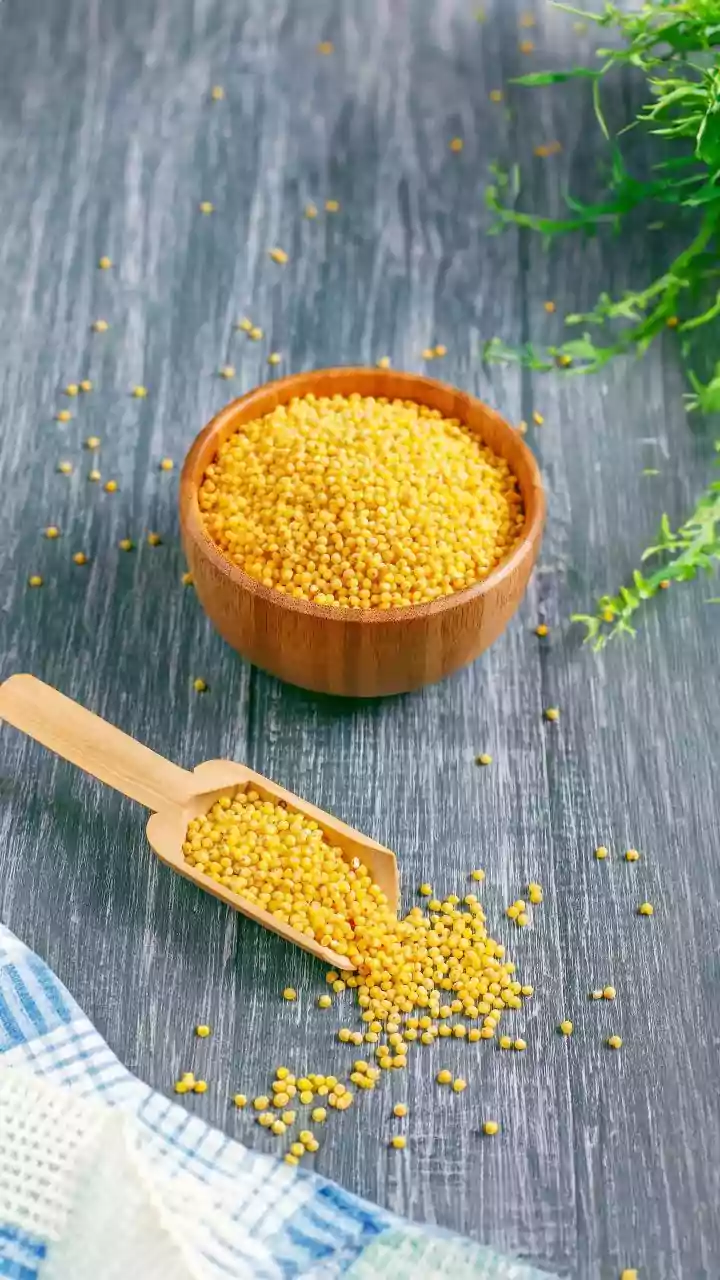
Millets are a group of small-seeded grasses that have been a staple in India for generations, including well-known varieties like Sorghum (Jowar), Pearl Millet (Bajra), and Finger Millet (Ragi). These grains are treasured for being naturally gluten-free and rich in fibre, which supports good gut health and digestion. Each millet has its unique strengths: Ragi is famously high in calcium, making it great for bone health. Jowar is prized for its high protein and fibre content, while Bajra is rich in iron and other minerals. Their low glycemic index helps in managing blood sugar levels, making them a smart choice for daily meals. Millets are incredibly versatile in Indian cooking. Jowar and bajra flours are commonly used to make soft, nutritious rotis. Ragi can be used for dosas, porridges, and even baked goods. Their ability to thrive in dry conditions also makes them a sustainable crop.
Sorghum: The Gluten-Free All-Rounder
Sorghum, widely known as Jowar in India, is a versatile millet that has been a dietary cornerstone for thousands of years. It is naturally gluten-free, making it an excellent alternative for those with celiac disease or gluten sensitivity. Jowar is a nutritional powerhouse, packed with protein, dietary fibre, and essential nutrients like iron, phosphorus, and B vitamins. Its high fibre content aids in digestion, helps manage weight by promoting satiety, and can lower 'bad' LDL cholesterol levels, contributing to better heart health. The complex carbohydrates in sorghum digest slowly, which helps in maintaining steady blood sugar levels. In the kitchen, jowar flour is most famously used to make soft rotis (bhakri). It can also be used in porridges, or the whole grain can be cooked and used in salads and pilafs. Popped sorghum is also becoming a popular, healthy snack alternative to popcorn.