





An Epic Vision on Ancient Terms
Christopher Nolan is a director known for his fierce commitment to the theatrical experience and his preference for practical effects over computer-generated imagery. His upcoming film, The Odyssey, an adaptation of Homer's epic poem, is no exception.
Starring Matt Damon, the film was shot entirely using IMAX 70mm film cameras, a first in cinematic history. This decision reflects Nolan's long-standing belief that film, particularly the massive 15-perf 70mm IMAX format, offers unparalleled image quality, letting the screen disappear and immersing the audience completely. He pursues a tangible, photographic reality, a goal well-suited to grounding a mythical tale like The Odyssey. However, this purist approach creates a significant logistical bottleneck.
The Analog Crisis in a Digital World
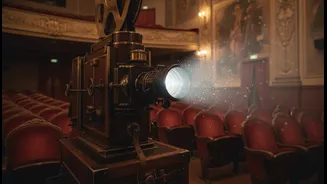
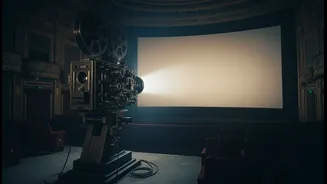
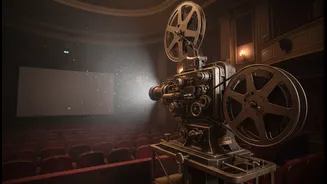
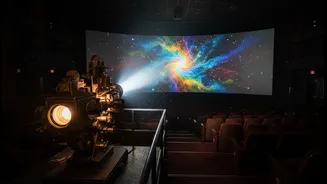
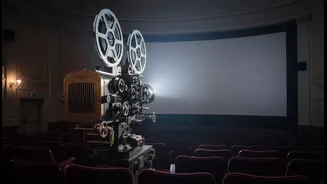
The central “crisis” is a collision between artistic intent and industry evolution. Over the past two decades, the vast majority of cinemas worldwide have transitioned to digital projection. It's cheaper, simpler, and requires less specialized labor. Nolan, however, is one of the few remaining champions of analog film. His insistence on using IMAX 70mm film prints for The Odyssey means grappling with a technology and a skillset that are vanishing. The film prints themselves are enormous, weighing around 600 pounds and stretching 11 miles long, similar to the prints for his previous film, Oppenheimer. Projecting them is a complex, manual process that requires highly trained specialists, a profession that has become increasingly rare.
Why IMAX 70mm Is the Holy Grail
So why go to all this trouble? The difference is staggering. A frame of IMAX 70mm film is nearly nine times larger than a standard 35mm frame. This massive negative captures an image with a resolution estimated to be the equivalent of 16K to 18K, creating a level of sharpness, clarity, and depth that digital projection cannot yet match. Furthermore, it allows for a unique 1.43:1 aspect ratio, which fills a viewer's peripheral vision on a true IMAX screen, creating a sense of immersion Nolan has described as being like "3D without the glasses." For The Odyssey, this means audiences in these select theaters will see approximately 40% more of the image than those watching in any other format, digital or otherwise.
An Exclusive Club of 41 Theaters
The headline's number is starkly accurate. As of the film's release, only about 41 theaters worldwide are equipped to project The Odyssey in true IMAX 70mm. This includes roughly 25 venues in the United States and a handful scattered across Canada, the UK, and Australia. These theaters are the last bastions of a dying technology. According to IMAX's CEO, new 70mm film projectors haven't been made in about 50 years; the existing ones must be found, refurbished, and maintained by a small group of experts. While demand for these screenings is incredibly high, with shows selling out weeks in advance, the infrastructure to support it has simply dwindled away.
Artistic Purity vs. Audience Access
Nolan's dedication has effectively turned his blockbuster into a rare art installation, an exclusive event for a fortunate few who live near one of these 41 venues or are willing to travel. This raises a difficult question about the balance between artistic purity and audience accessibility. While Nolan's efforts are preserving a beautiful format, they also create a tiered viewing experience. The vast majority of moviegoers will see a digitally converted version of The Odyssey, a film still impressive but fundamentally different from the director's definitive vision. The intense demand proves audiences crave unique cinematic experiences, but the industry has largely moved on from the very technology needed to provide this specific one.