





A Full-Body Tune-Up
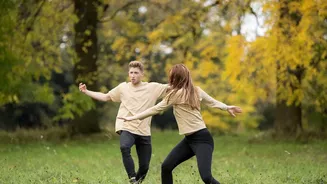
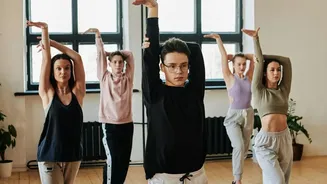
At its core, dancing is a fantastic form of physical exercise. Unlike repetitive workouts, however, it engages the body in a dynamic and varied way. Regular group dancing can improve cardiovascular health, increase stamina, and build muscular strength
with low impact on the joints. It’s a full-body activity that enhances flexibility, coordination, and, crucially for longevity, balance. Improved balance and core stability directly translate to a lower risk of falls and injuries in daily life, a key factor in maintaining independence and health in later years. Studies have shown that the physical demands of dance are equally, and sometimes more, effective than other structured exercise programs for weight management and improving the condition of the heart and lungs.
Rewiring the Brain for Health
Perhaps the most compelling benefits of group dancing are neurological. Dancing is a complex task that gives the brain a vigorous workout. It involves learning and memorizing steps, maintaining rhythm, navigating space, and often coordinating with a partner. This mental juggling act stimulates neuroplasticity—the brain’s ability to form new neural connections. Research has linked regular dancing to a significantly lower risk of dementia. A landmark study in the New England Journal of Medicine found that, out of numerous physical activities, only frequent dancing was associated with a reduced risk of dementia. This is because dancing engages multiple cognitive functions at once, including memory, attention, and quick decision-making, effectively building cognitive resilience.
The Social Synchrony Solution
In an era where loneliness is a growing public health concern, group dancing offers a powerful antidote. Dance classes foster a sense of community and belonging. The act of moving in synchrony with others can blur the boundaries between 'me' and 'you', fostering empathy, trust, and social bonding. This shared experience reduces feelings of isolation and provides a supportive environment for building genuine friendships. Therapists note that for those who struggle with verbal communication, dance offers a nonverbal language to connect with others, express oneself, and build confidence. This social connection is not just a pleasant side effect; it's a vital component of mental and emotional well-being.
Moving Through Emotions
Dance is a potent tool for emotional regulation and stress relief. The physical exertion releases a cocktail of mood-boosting neurochemicals, including endorphins, serotonin, dopamine, and oxytocin. This “neurochemical symphony” can reduce levels of the stress hormone cortisol, leading to feelings of relaxation and joy. Dance Movement Therapy (DMT) is a recognized psychotherapeutic practice that uses movement to help individuals process emotions, reduce anxiety, and alleviate symptoms of depression. By allowing for the somatic expression of feelings, dance provides a healthy outlet for pent-up emotions that may be difficult to articulate, promoting a greater sense of emotional balance and psychological well-being.