






The Basic Principle of Layering
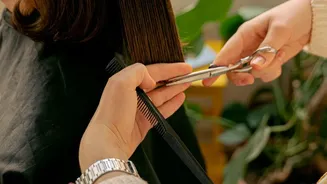
A layered haircut is one that contains hair of different lengths. By cutting shorter pieces that sit atop longer ones, a hairstylist can create shape, add texture, and influence volume. The core idea is simple: removing weight allows the hair to have
more lift and bounce. For hair that feels flat or heavy, layers introduce movement and prevent it from hanging like a single, solid curtain. This technique serves two main purposes: it can make fine hair appear fuller by creating the illusion of density, and it can de-bulk thick hair, making it feel lighter and more manageable.
Short Layers vs. Long Layers
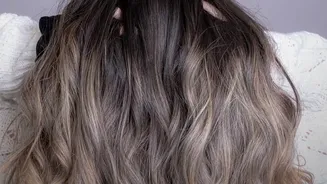
The main distinction lies in where the layers begin and the effect they create. Short layers are cut higher up on the head, often starting around the crown. This technique is excellent for creating significant lift at the roots and adding noticeable texture and volume, making it ideal for those who want a bouncier, more dynamic silhouette. In contrast, long layers start further down the hair shaft, typically from the mid-lengths to the ends. They provide a softer, more blended look that creates gentle movement without a dramatic change in shape. Long layers are perfect for preserving overall length while subtly reducing weight.
For Fine Hair: Creating Fullness
If you have fine hair, the goal is to add volume without sacrificing density at the ends. Over-layering can sometimes make fine hair look stringy. The key is to opt for subtle, soft layers. Styles like a layered bob can create a fuller look because the shorter length prevents the hair from being weighed down. Invisible or internal layers, which are cut underneath the top sections, can also add body without looking overtly layered. Another great option is face-framing layers, which can start around the cheekbones or jawline to create shape and lift around the face, drawing the eye upward. Combining mid-length layers with curtain bangs is also a popular choice to boost body.
For Thick Hair: Removing Weight
Thick hair has natural volume, but it can often feel heavy or take on a triangular shape. For this hair type, layers are a miracle worker for removing bulk and adding shape. Long, flowing layers are excellent for breaking up dense hair, allowing it to move more freely without looking boxy. Shag cuts, which feature significant layering, are also a fantastic option for reducing weight while celebrating natural texture. Internal layers can also be used to thin out the hair from within, making it feel lighter while the outer surface remains full. Popular styles like the 'Butterfly Cut' use a combination of short and long layers to create dramatic movement while maintaining overall length.
For Wavy and Curly Hair: Enhancing Texture
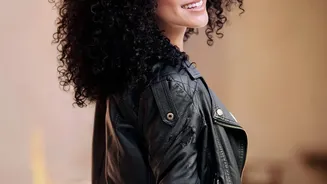
Layers are essential for curly and wavy hair. Without them, curls can weigh themselves down, losing their spring and shape. Strategic layering gives each curl space to form properly, enhancing definition and reducing frizz. Many stylists use specific techniques to cut curly hair dry, allowing them to see how each curl will fall and create the most flattering shape. For wavy hair, long layers can enhance a relaxed, beachy look. For tighter curls, a combination of layers can prevent the dreaded 'pyramid' shape and distribute volume evenly for a beautiful, rounded silhouette.