





The Big Switch: Why E20 Fuel?
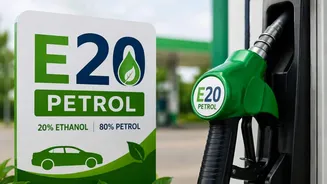
India's move to make E20 petrol—a blend of 20% ethanol and 80% petrol—the standard fuel is a major part of its strategy to reduce dependency on imported oil, cut carbon emissions, and support the agricultural sector. The transition has been rapid, with
E20 now widely available across the country, effectively replacing the previous E10 (10% ethanol) blend that most vehicles had been using for years without issue. While all new vehicles manufactured since April 2023 are designed to be fully compatible with E20, a cloud of uncertainty has formed over the vast number of vehicles produced before this date. These older cars and bikes were typically designed for pure petrol or, more recently, E10 blends.
Initial Reports and Brewing Confusion
The heart of the confusion lies in what happens when an older, non-E20 compliant vehicle is filled with this new fuel. Concerns are not just about a potential drop in mileage, which is an expected outcome due to ethanol's lower energy density. The primary fear revolves around long-term damage. Ethanol can be corrosive to certain materials, potentially degrading older rubber and plastic components like fuel lines, seals, and gaskets, which can lead to leaks and other engine problems. Early on, as E20 became the norm, a lack of clear, unified guidance from authorities and manufacturers left owners scrambling for answers. This was amplified by resurfaced documents showing that the Society of Indian Automobile Manufacturers (SIAM) had, in 2021, recommended keeping E10 as a 'protection grade' fuel for the existing fleet, anticipating these very compatibility issues.
A Call for Clarity and a Path Forward
The headline of "corrected reports" refers not to a single retracted document, but to the ongoing and often contradictory public discourse. Initially, official statements focused on dismissing fears of widespread engine damage. However, the persistent concerns from the public and experts, including a notable opinion piece co-authored by the Chief Economic Adviser, V Anantha Nageswaran, have shifted the conversation. This has led to high-level discussions about reintroducing an E10 option. Recent statements from bodies like the Federation of Automobile Dealers Associations (FADA) aim to reassure the public, stating that E20 is safe and that major problems are unlikely, though a mileage drop in cars older than 10-15 years is possible. This represents a more nuanced clarification than earlier, broader dismissals.
Is an E10 Option Coming Back?
The government and oil marketing companies like BPCL are now acknowledging the debate around offering a lower-blend option for older vehicles. However, they have stressed that this is a complex issue. Reintroducing E10 would pose significant logistical challenges, as it would require creating a parallel supply chain to service over 100,000 fuel stations, many of which are not equipped to store multiple grades of petrol. One potential solution being discussed involves offering E10 through premium-grade, higher-octane fuels. This would avoid a massive infrastructure overhaul but could mean that owners of older vehicles might have to pay a higher price for a more suitable fuel. For now, these are just discussions, and no final decision has been made.
What Should You Do Now?
Amidst this uncertainty, the best course of action is to be proactive. First, determine your vehicle's compatibility. The most reliable sources of information are your vehicle's owner's manual, the manufacturer's official website, or an authorised service centre. Many manufacturers have published lists of E10 and E20 compatible models. Generally, most cars made since 2008 are considered compatible with E10, while the risk is higher for vehicles, especially two-wheelers with carburettors, manufactured before then. If your vehicle is not E20 compliant, you are in a difficult position as E10 is no longer the standard. Monitor your vehicle closely for any changes in performance, rough idling, or difficulty starting. Regular check-ups with a trusted mechanic become even more important to catch any potential degradation of fuel system components early.