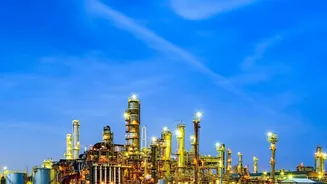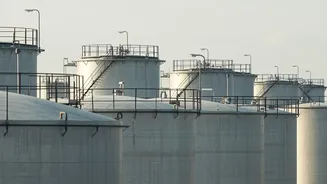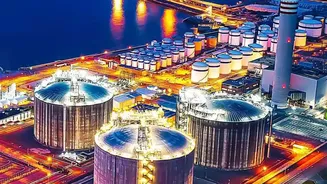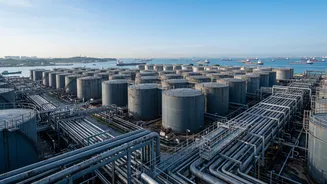




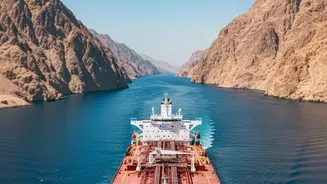


Saudi Arabia and Singapore have announced a landmark proposal to store Saudi crude oil in Singapore starting in 2027. This strategic move signals a major shift in how the world's largest oil exporter secures its foothold in Asia.
What is the Proposed Deal?
At its core, the deal
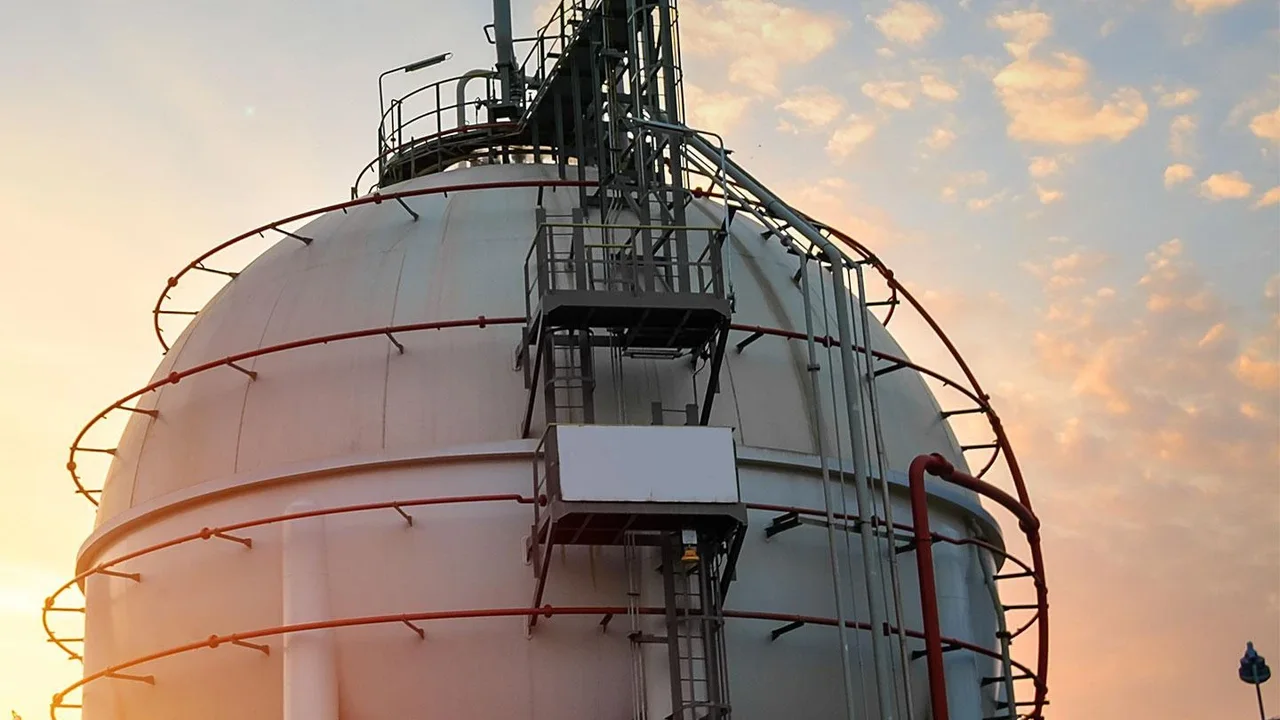
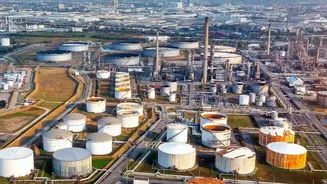
involves Saudi Arabia's state-owned oil giant, Saudi Aramco, leasing space in Singapore's high-tech underground storage facility, the Jurong Rock Caverns. Announced during Singapore International Energy Week, the plan is for storage operations to commence in the second half of 2027. A Memorandum of Understanding has been exchanged, and negotiations are expected to conclude within months. While the exact volume of oil and financial terms are still being finalised, the Jurong facility can hold up to nine million barrels of liquid hydrocarbons, signalling a significant commitment. This arrangement is designed to bring Saudi crude physically closer to its largest customer base, enhancing supply chain resilience for the entire region.
Saudi Arabia's Strategic Pivot to Asia
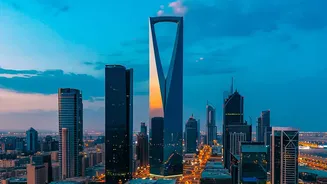
For Saudi Arabia, this is more than just a storage contract; it's a crucial geopolitical and economic strategy. By pre-positioning vast quantities of oil in Asia, Aramco can respond to customer demand almost instantly, reducing shipping times and bypassing potential chokepoints like the Strait of Hormuz, which has seen significant disruptions. This gives the Kingdom a competitive edge over other major producers. The move is part of a broader Aramco strategy to double its international crude storage and secure access to government reserves abroad. Singapore will be its third such strategic hub in Asia, following existing storage agreements in Japan and South Korea. In those deals, the host governments get priority access to the oil during a supply emergency, a model likely to be replicated in Singapore. This ensures that Saudi Arabia remains the most reliable and flexible supplier to the world's fastest-growing energy market.
Cementing Singapore's Energy Hub Status
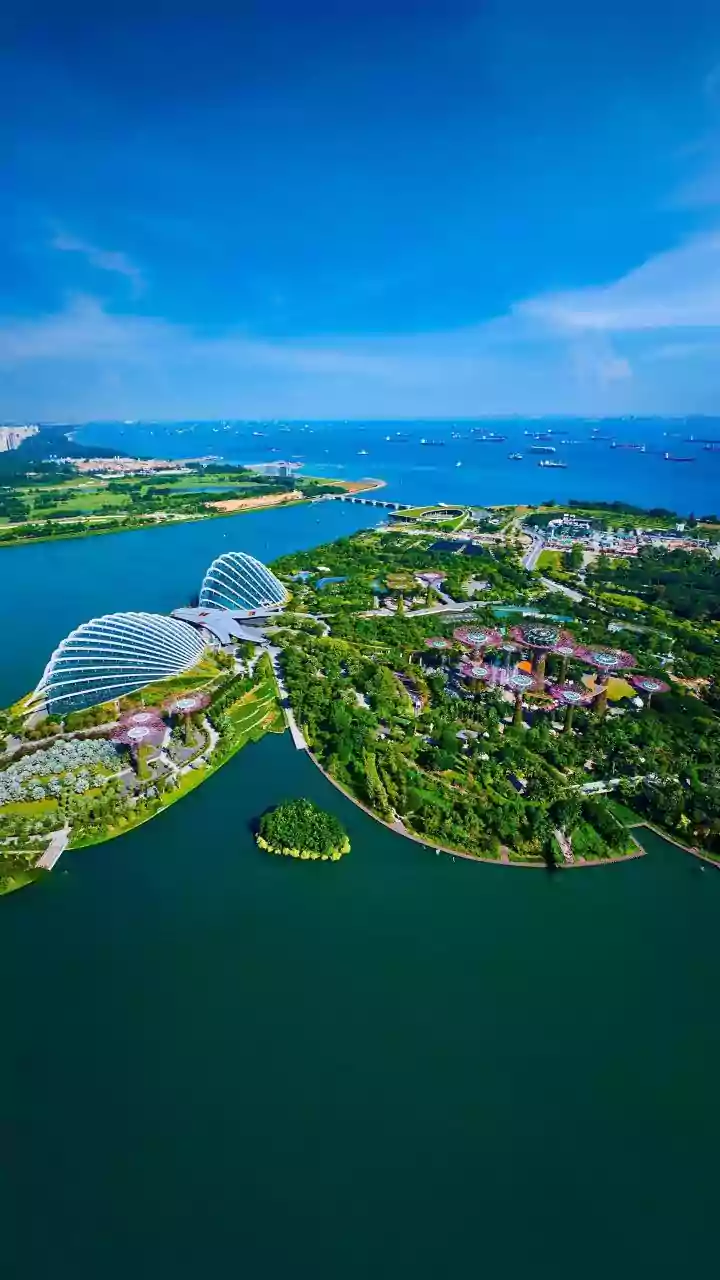
For Singapore, a nation with no oil reserves of its own, the deal is a major win. It reinforces its decades-long status as one of the world's top energy trading and refining hubs. Its strategic location at the mouth of the Malacca Strait already makes it a critical node in global shipping. Hosting strategic reserves for the world's top oil exporter elevates this status further, turning it from a trading and processing hub into a critical component of regional energy security. The arrangement will not only generate revenue but also provide Singapore with priority access to crude supplies in the event of a global disruption, a significant security benefit. As Singapore's Minister for Energy, Tan See Leng, noted, the deal directly contributes to the nation's 'energy security and resilience'.
Implications for the Broader Region
The deal sends ripples across the global energy landscape, particularly for major Asian importers like China, Japan, South Korea, and India. With a massive inventory of Saudi crude stored in the region, these countries can count on a more stable and responsive supply chain. This could help mitigate the price volatility that often follows supply disruptions in the Middle East. For a country like India, which relies heavily on Middle Eastern oil, having a strategic reserve hub nearby adds a layer of security. It demonstrates a longterm commitment from Saudi Arabia to its Asian partners. The move also reflects a global trend where both producers and consumers are seeking to build bigger supply cushions and diversify routes in response to increasing geopolitical instability.