



Beyond the Flame Towers
For many, Azerbaijan is synonymous with the Caspian Sea and the glittering architecture of its capital, Baku. But to stop there is to read only the first chapter of a fascinating book. A few hours' drive north or west, the urban landscape gives way to one
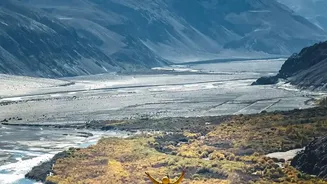
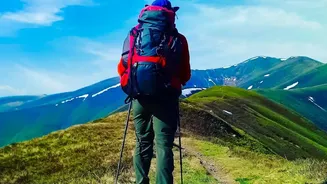
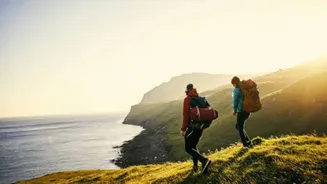
of the world's most dramatic mountain ranges: the Greater Caucasus. Here, the country's true character unfolds across alpine meadows, through deep canyons, and within villages that have stood for millennia. Hiking is not just a recreational activity in rural Azerbaijan; it is a form of time travel and cultural immersion, offering a perspective on the 'Land of Fire' that is impossible to get from a tour bus.
Walking Through Living History
The trails of rural Azerbaijan often connect ancient mountain settlements that have been continuously inhabited for thousands of years. Villages like Khinalig, one of the highest and oldest in the Caucasus, offer a profound sense of history. Located over 2,200 meters above sea level, its stone houses are built so closely together that the roof of one home serves as the terrace for the one above. The people of Khinalig speak a unique, unwritten language found nowhere else on Earth. Similarly, the village of Lahij in the Ismayilli region is a living hub of craftsmanship, famous for centuries for its master coppersmiths whose workshops line the cobbled streets. Hiking between these villages means following paths used by shepherds and traders for centuries, transforming a simple trek into a journey through a living museum.
A Landscape of Stunning Diversity
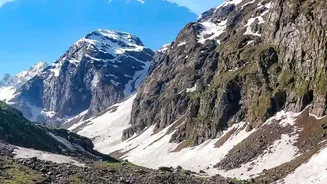
Azerbaijan is famously home to nine of the world's eleven climate zones, and this diversity is on full display in its mountains. A single day's hike can take you from green, forested foothills to stark, beautiful subalpine meadows and high-altitude plateaus with panoramic views. Shahdag National Park, the country's largest, protects a vast expanse of the Greater Caucasus, offering everything from beginner-friendly routes to challenging multi-day treks. You might find yourself walking past dramatic twin waterfalls near the village of Laza one day and crossing the striped, 'candy cane' mountains the next. This constant shift in scenery makes every trail feel like a new discovery.
The Promise of the Transcaucasian Trail
For serious trekkers, the development of the Transcaucasian Trail (TCT) has put Azerbaijan firmly on the international hiking map. This ambitious long-distance route aims to connect Georgia, Armenia, and Azerbaijan, creating a world-class hiking corridor through the Caucasus. The Azerbaijani sections of the TCT link remote highland villages, cross diverse landscapes from semi-deserts to alpine peaks, and open up parts of the country rarely seen by outsiders. While some sections are rugged and recommended for experienced hikers, the project has increased access and brought a new focus to sustainable tourism, with local partners helping to mark trails and provide support.
The Warmth of Local Hospitality
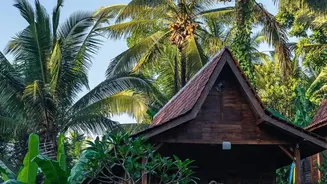
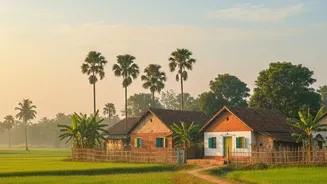
Perhaps the most memorable aspect of hiking in rural Azerbaijan is the human connection. Hospitality is a cornerstone of Azerbaijani culture, and this is felt most strongly in the countryside. Hikers are often welcomed into homes for endless cups of tea, homemade meals featuring fresh tandir bread and local cheese, or even offered a place to stay for the night in a family-run guesthouse. This genuine warmth and generosity provide a powerful counterpoint to the ruggedness of the landscape. It’s in these moments—sharing a conversation over a hot meal in a village that time seems to have forgotten—that the true spirit of the country is revealed.
Planning Your Journey
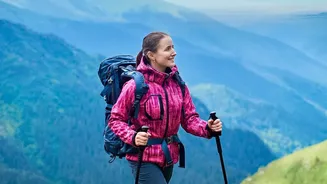
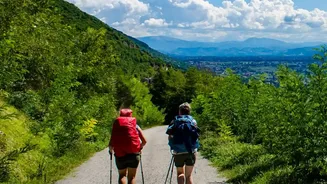
The best time for hiking in the Caucasus mountains is typically from late spring to early autumn (May through October), when the weather is mild and the high-altitude passes are clear of snow. While some trails, like the route from Khinalig to Galakhudat, are suitable for beginners, many of the more remote treks require good physical fitness and navigational skills. Hiring a local guide is often recommended, not just for safety, but for the invaluable cultural insights they provide. Whether you're planning a single-day hike from a village base or a multi-day trek connecting ancient communities, packing layers is essential as the mountain weather can change quickly.