






The Romance of the Gated Shifter
For decades, the polished metal gate guiding a manual gear lever was a defining feature of a Ferrari. It was more than just a component; it was a ritual. Each gear change was a precise, mechanical event you could see, hear, and feel, connecting driver
and machine in a way that modern paddle shifters, for all their speed, could never replicate. This sensory experience became a symbol of exotic performance cars in the 80s and 90s. However, for the sake of faster lap times and evolving technology, Ferrari and other manufacturers moved to lightning-fast dual-clutch transmissions (DCTs), and the true manual died out. The last Ferrari offered with a traditional manual was the California, with demand reportedly dropping to just a handful of orders worldwide by 2012.
A Shocking Return: The 12Cilindri Manuale
After a 14-year hiatus, Ferrari has answered the calls of its most loyal clients who have consistently requested the return of a manual gearbox. The answer comes in the form of the limited-edition 12Cilindri Manuale. It has a clutch pedal. It has a gorgeous, open-gated H-pattern shifter. But here's the catch: it is not a traditional manual transmission. Instead, it’s a highly sophisticated electronic system designed to simulate the feel of one, built upon the car's existing eight-speed dual-clutch automatic gearbox.
What is 'By-Wire' Technology?
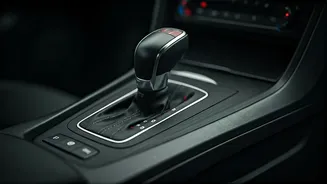
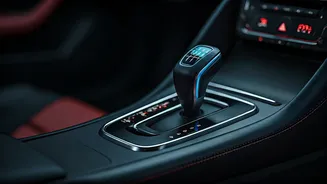
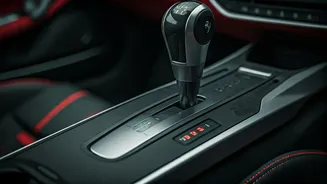
The new system is what's known as 'Manuale by-wire'. In a traditional car, moving the gear lever creates a direct mechanical connection to the gearbox via rods or cables. A 'by-wire' system replaces that physical linkage with electronic signals. When the driver moves the gear lever or presses the clutch pedal, sensors detect the movement and send a digital command to the transmission's control unit. This unit then tells electronic actuators—small motors or solenoids—to perform the gear change. There is no physical connection between the controls in the cabin and the gearbox at the back of the car. It’s a simulation, but one Ferrari has spent two years developing to be as convincing as possible.
An Analog Illusion in a Digital World
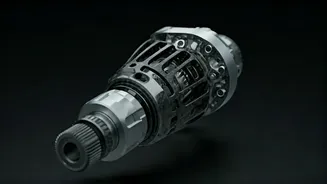
Ferrari's recently surfaced patents show the immense engineering involved. The system is designed to provide the tactile feedback enthusiasts crave. The clutch pedal uses a system of springs and cams to replicate the authentic resistance and biting point of a real hydraulic clutch. The gear lever moves against spring-loaded rollers to create that satisfying 'click' as it slots into each gate. The electronics are also smart; the system can prevent a driver from making a damaging shift into a gear that's too low for the car's speed, physically blocking the shifter's path. It will even let you stall the engine if you get the clutch release wrong, completing the illusion of a traditional manual.
Will It Satisfy the Purists?
This is the multi-million dollar question. The 12Cilindri Manuale, limited to just 1499 units, comes at a roughly 50% price premium over the standard model. For that money, buyers get the theatre and engagement of a manual without sacrificing the underlying speed of the DCT, which can still be used in a fully automatic mode. Some will inevitably call it a gimmick—a glorified and expensive video game controller. They'd argue that the beauty of a manual is its pure mechanical honesty, something a 'by-wire' system can only ever imitate. Others will see it as a brilliant compromise, a way to preserve an emotional and engaging driving experience in an increasingly digital and automated automotive landscape. It’s a bridge between Ferrari's storied past and its high-tech future.