






The Myth of Cancellation
Talk of Tesla pulling the plug on the Cybertruck is a tempting but ultimately misleading narrative. While the company has discontinued specific trims, like the short-lived Rear-Wheel Drive version in 2025 due to low popularity, there has been no official
announcement to end the program. Analysts suggest a full discontinuation is unlikely in the immediate future. Instead, these rumors serve as a distraction from the fundamental issues. The Cybertruck has been plagued by production difficulties stemming from its unconventional stainless-steel body, leading to quality control problems like misaligned panels and a slower-than-promised manufacturing ramp-up. Yet, even these production headaches are secondary to a more profound problem.
A Grim Reality in Sales Figures
The numbers paint a stark picture that goes beyond production bottlenecks. After an initial surge, sales have fallen dramatically. Against CEO Elon Musk's ambitious projection of selling 250,000 units annually, the performance has been weak. In 2025, sales saw a steep year-over-year decline, with some reports citing a drop of nearly 48% to just over 20,000 units. The trend continued into 2026, with the first quarter hitting a record low of 3,519 deliveries. By May 2026, only 7,133 Cybertrucks had been registered in the U.S. for the year, a figure that pales in comparison to the initial hype and reservation numbers. This isn't a market waiting for more supply; it’s a market showing signs of deep-seated apathy.
Price Shock and Polarizing Design
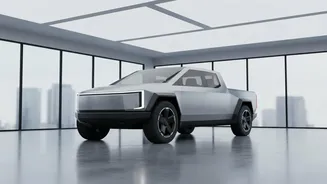
When the Cybertruck was unveiled in 2019, it came with a much-touted starting price that captured imaginations. However, the final production models that began deliveries in late 2023 were significantly more expensive. As of early 2026, the starting MSRP for an All-Wheel Drive model hovered around $80,000, a far cry from the initial, more accessible figures. This higher price point, combined with a polarizing, angular design that many find unappealing, has severely limited its target market. While a core group of Tesla loyalists and early adopters were enthusiastic, the broader pickup truck market—known for its brand loyalty and practical considerations—has been largely unmoved.
The Edsel of the Electric Era?
The dramatic gap between Tesla's sales projections and the actual results has drawn sharp comparisons to one of automotive history's most infamous failures: the Ford Edsel. In the late 1950s, Ford projected massive sales for the Edsel and fell spectacularly short. Recent analysis suggests the Cybertruck's sales miss, on a proportional basis against its targets, is even more significant. It was launched as a revolutionary product intended to disrupt the lucrative pickup segment, but its radical design and high cost have made it a niche item rather than a mass-market contender. This isn't just about falling short of a goal; it's about fundamentally misreading the mainstream market.