






The old advice was simple: a firmer mattress is always better. But if you've ever woken up with an aching back on a rock-hard bed, you know it's not that easy. Finding the right mattress is a deeply personal journey, not a one-size-fits-all rule.
Firmness vs. Support: What's the Difference?
First,
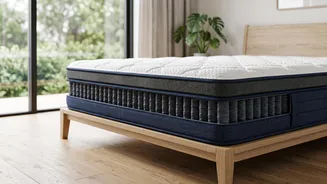
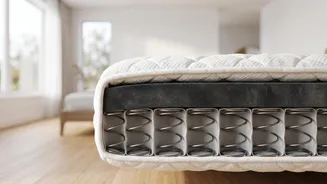
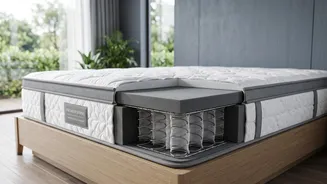
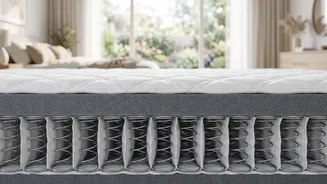
let's clear up a common point of confusion. Mattress 'firmness' and 'support' are not the same thing. Firmness describes the immediate feel of the mattress surface—how hard or soft it feels when you lie down. Support, on the other hand, refers to the mattress's ability to keep your spine in a neutral, healthy alignment. A mattress can feel very soft on top but still provide excellent underlying support, while an extremely firm mattress can fail to support you properly, creating pressure points and pain. The goal is to find a firmness level that feels comfortable while ensuring the core of the mattress gives you the support you need.
Your Sleeping Position Is Key
How you sleep is one of the biggest factors in determining your ideal firmness. Each position puts pressure on different parts of your body. Side sleepers, for instance, concentrate pressure on their shoulders and hips. They typically need a softer to medium mattress (a 4-6 on a 1-10 scale) that can contour to these curves, relieving pressure and keeping the spine straight. Back sleepers generally need a medium-firm to firm mattress (a 5-7 rating) to support the natural S-curve of their spine, preventing their lower back from sagging. Stomach sleepers usually require the firmest surface (a 7-9 rating) to keep their hips elevated and prevent their spine from arching uncomfortably.
How Body Weight Changes Everything
A mattress will feel different depending on your body weight. A person weighing under 60 kg applies less pressure and may find a standard medium-firm mattress feels uncomfortably hard. They often benefit from a softer mattress that allows them to sink in enough for pressure relief. Conversely, a person over 100 kg will sink deeper into the same mattress, making it feel softer. For heavier individuals, a firmer mattress is often needed to provide adequate support and prevent them from 'bottoming out' on the support layers. As a general rule, lighter sleepers can go one level softer than recommended for their sleep position, while heavier sleepers should consider going one to two levels firmer.
What About Back Pain?
For years, the conventional wisdom was that a very firm mattress was the cure for an aching back. However, multiple studies have shown this isn't true for everyone. Research now indicates that a medium-firm mattress provides the best balance of comfort and support for many people with chronic lower back pain. A mattress that is too firm can create pressure points and misalign the spine, while one that is too soft can cause it to sag. The 'medium-firm' sweet spot helps distribute body weight evenly while supporting the spine’s natural curve. However, this is just a starting point; the ideal choice still depends on your sleeping position and body type.
Navigating With a Partner
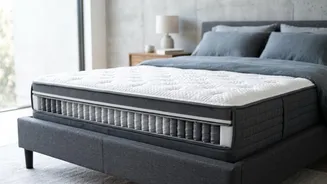
When you and your partner have different body types or sleeping styles, finding a single mattress that works for both can be a challenge. If one person is a lightweight side sleeper and the other is a heavier back sleeper, a 'compromise' medium mattress might not properly support either of you. In these cases, there are several solutions. Some couples opt for a 'split king' bed, which is essentially two twin XL mattresses pushed together, allowing each person to choose their ideal firmness. Other options include mattresses with dual-firmness designs or using a mattress topper on one half of the bed to create a softer feel without sacrificing the underlying support for the other partner.