



An Unsettling Discovery Online
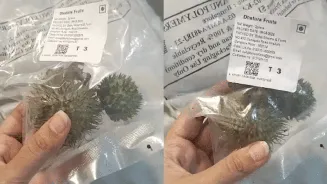
The issue surfaced after Karnataka's Food Safety and Drugs Administration Department received complaints about Datura fruits and seeds being sold on major e-commerce and quick-commerce sites like Amazon, Swiggy Instamart, and BigBasket. The investigation
revealed that these products were not only available but were sometimes listed for human consumption, occasionally even bearing FSSAI (Food Safety and Standards Authority of India) registration numbers. This was a significant red flag for authorities, as Datura is a highly toxic plant. In some instances, the poisonous fruits were allegedly even distributed as freebies with other purchases, increasing the risk of accidental consumption.
What Makes Datura So Dangerous?
Known colloquially as thornapple or jimsonweed, Datura contains potent tropane alkaloids like atropine and scopolamine. These toxins directly affect the central nervous system. Ingesting any part of the plant can lead to severe poisoning, with symptoms including dry mouth, dilated pupils, blurred vision, delirium, psychosis, and a rapid heart rate. In high doses, it can cause loss of consciousness, coma, and even death. Medical experts have stressed that while Datura has uses in certain supervised Ayurvedic formulations, it is never meant for general sale as a fruit or food item. Its availability should be restricted to practitioners, pharmaceutical companies, and farmers under strict guidelines.
Regulators Take Decisive Action
In response to the findings, the Karnataka Food Safety Commissioner took swift action. The department suspended the food licences of Amazon, Swiggy Instamart, and BigBasket until further notice. It ordered the immediate removal of all listings and advertisements for Datura products intended for human consumption. Crucially, the scrutiny didn't stop with the platforms. The authorities have also ordered the suspension of food licences and registrations for the suppliers and individual sellers who were providing these toxic products to the e-commerce giants. This move signals a significant expansion of the investigation, aiming to hold the entire supply chain accountable.
The Question of Platform and Seller Liability
This case brings the complex issue of e-commerce liability to the forefront. While platforms often position themselves as intermediaries connecting buyers and sellers, Indian law is evolving. The Consumer Protection Act of 2019 expanded liability to include product sellers and, in some cases, the platforms themselves, especially concerning unfair trade practices and misleading information. The IT Act's 'safe harbour' provisions, which once offered broad immunity to intermediaries, have been challenged in courts, with judgments indicating that platforms with active involvement in the sale process may not be fully exempt. By listing Datura with FSSAI numbers and storing them in warehouses, the lines between being a passive marketplace and an active seller became blurred, attracting regulatory action.
Responses and the Road Ahead
When summoned by the department, the companies' responses varied. Reports indicate Amazon did not submit an immediate response, while Swiggy Instamart requested more time. BigBasket stated it had stopped the sale and would update its labelling to clearly mark the product as 'not for human consumption'. However, the regulator found these explanations unsatisfactory, deeming the sale of a poisonous item as a food product impermissible regardless of labelling. The suspension of licences will remain until a full hearing is conducted. This incident serves as a stark reminder for online sellers and platforms that they are not immune from food safety regulations and public health responsibilities. It highlights a growing need for stringent verification processes to prevent dangerous goods from reaching consumers.