







The convenience of 10-minute grocery delivery has changed urban life. But is speed coming at the cost of safety? The Food Safety and Standards Authority of India (FSSAI) is now taking a closer look, and their focus is on a critical, unseen part of the chain.
What Are 'Dark Stores'?
The magic behind your ultra-fast delivery is the 'dark store'. These are not shops you can walk into. Instead, they are small, hyper-local warehouses packed with groceries and essentials, located deep within residential neighbourhoods. When you place an order on an app like Swiggy Instamart, Zepto, or Blinkit, an employee inside one of these nearby dark stores quickly picks and packs your items, handing them off to a delivery rider. This model is the engine of quick commerce, designed for one thing: speed. But as these platforms have grown, so have concerns about what happens inside these facilities, away from public view.
The Cold Chain Problem
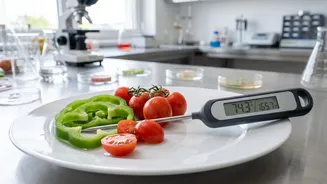
The biggest worry for regulators is the 'cold chain' – the uninterrupted system of refrigeration required for perishable items like milk, cheese, yogurt, meat, and frozen foods. For these products to remain safe, they must be stored at specific temperatures: typically below 5°C for chilled goods and at or below -18°C for frozen ones. Recent inspections by state food safety authorities have revealed alarming lapses. Raids in cities like Hyderabad and Pune uncovered dark stores with fungal growth on food, expired items mixed with fresh stock, and improper temperatures in cold rooms. In some cases, licenses were suspended due to severe hygiene violations, including pest infestations and food stored directly on floors. These incidents suggest that in the race to deliver in minutes, basic food safety protocols are sometimes being compromised.
What FSSAI Is Planning
In response to a rise in consumer complaints and damning inspection reports, the FSSAI is signalling a crackdown. The food safety authority is looking to increase its surveillance and conduct more surprise checks at dark stores and other quick-commerce facilities across the country. The focus will be squarely on the cold chain infrastructure and hygiene practices. According to FSSAI's CEO, the goal is to make these platforms more accountable for the entire supply chain. This could lead to stricter enforcement of existing rules, which already mandate that e-commerce FBOs (Food Business Operators) must have a central FSSAI license, ensure products have adequate shelf life, and prevent misleading claims. New proposals may even require platforms to display more product information, such as manufacturing and expiry dates, before a customer makes a purchase.
How This Affects Your Grocery Order
For you, the consumer, this increased scrutiny is good news. It means a higher likelihood that the milk, paneer, and frozen peas you order will arrive safely, having been stored at the correct temperature throughout their journey. The crackdown aims to reduce the risk of receiving spoiled or expired products, which has been a recurring complaint. For the quick-commerce companies, this means higher compliance costs and the need for more rigorous internal audits. They may need to invest in better cold storage technology, more staff training, and stricter inventory management systems to avoid penalties, which can include the suspension of their FSSAI licenses. While the 10-minute promise is a powerful marketing tool, these new checks emphasize that safety must be the primary foundation of their business model.