







The Tale of Two Cinnamons
The vast majority of cinnamon sold in supermarkets, especially in North America, isn't what spice purists would call “true” cinnamon. It’s a variety called Cassia. Originating from Southern China and now grown across Southeast Asia, Cassia cinnamon is inexpensive,
robust, and what most of us associate with the classic cinnamon flavour. It's the bold, spicy kick in cinnamon rolls and many spiced desserts. The other, less common variety is Ceylon cinnamon, which comes from the Cinnamomum verum tree, native to Sri Lanka. Often called “true cinnamon,” it is more expensive and prized for its delicate, complex flavour profile. Unless a package is explicitly labelled “Ceylon,” it’s almost certainly Cassia.
A Visual Guide to Telling Them Apart
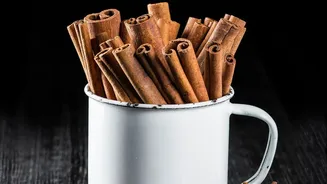
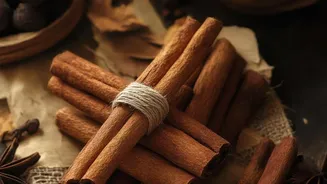
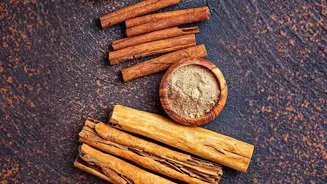
The easiest way to distinguish between the two is by looking at the whole cinnamon sticks, or quills. This is where the headline's claim comes to life. Ceylon cinnamon sticks are composed of many thin, papery layers of bark rolled together into a fragile, cigar-like stick. These quills are light tan-brown and have a soft, crumbly texture that makes them easy to grind at home. Cassia cinnamon, by contrast, is a single, thick layer of bark that curls inward from both sides to form a hollow, scroll-like tube. It’s dark reddish-brown, much harder, and tougher to break. In powdered form, differentiation is harder, but Ceylon powder is typically lighter in colour and has a finer texture compared to the darker, coarser Cassia powder.
Flavour, Aroma, and Culinary Use
The differences extend deeply into taste and smell. Cassia is assertive and spicy, dominated by the flavour compound cinnamaldehyde. Its powerful, pungent character holds up well in robustly flavoured dishes, from rich curries to bold baked goods like gingerbread. Ceylon cinnamon is far more subtle and nuanced. It offers a delicate, sweet flavour with floral and citrusy notes that can be easily overpowered. This makes it ideal for desserts where you want a gentle, aromatic warmth without aggressive spice, such as custards, puddings, or a simple sprinkle over fruit or coffee.
The Health Question: A Matter of Coumarin
Beyond flavour, there's a significant health consideration: a natural compound called coumarin. While harmless in small doses, high intake of coumarin has been linked to potential liver issues in sensitive individuals. Cassia cinnamon contains significantly high levels of coumarin, sometimes up to 1%. In contrast, Ceylon cinnamon contains only trace amounts, often 250 times less than Cassia. This makes Ceylon a much safer choice for those who consume cinnamon regularly or in large quantities, such as for health purposes or in daily supplements. For most people, occasional use of Cassia in cooking is not a concern, but for heavy users or those with liver conditions, the distinction is important.