
What is the 'Paneer Ban'?
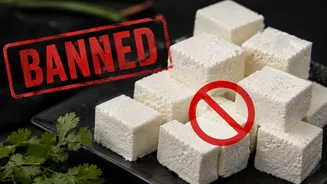
The term 'ban' refers to recent, decisive actions by several state governments, including Maharashtra, Gujarat, and Chhattisgarh, to prohibit the manufacture and sale of 'analogue' or non-dairy paneer. This isn't a ban on plant-based products themselves,
but rather a strict enforcement of food labelling laws. The Food Safety and Standards Authority of India (FSSAI) has clarified that calling a non-dairy product 'paneer' is a violation of the law. Specifically, products made from vegetable oil, starch, and other ingredients instead of whole milk cannot be sold or served under the paneer name. While FSSAI permits the sale of these alternatives if clearly labelled as 'analogue', some states have gone further, instituting outright bans on the products due to widespread mislabelling and health concerns.
The Rise of Analogue Paneer
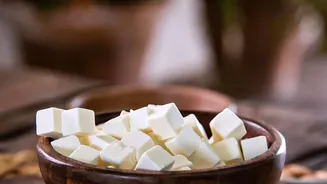
Analogue paneer, sometimes called 'synthetic paneer', is a look-alike product designed to mimic the texture and appearance of traditional dairy paneer. It is primarily composed of vegetable fats, starches, skimmed milk powder, and emulsifiers. The primary driver of its popularity, especially in the foodservice industry, is cost. Analogue paneer can be up to 50-60% cheaper than its dairy counterpart, making it an attractive option for some restaurants and caterers looking to manage expenses. However, this cost-saving measure comes at a nutritional price. Analogue versions are typically lower in protein and healthy fats compared to traditional paneer, and a year-long surveillance drive in Maharashtra found that a significant percentage of samples were substandard or unsafe.
How This Affects Restaurants
For restaurants, these regulations introduce a new layer of accountability. Eateries in states with active bans can no longer use analogue paneer at all, facing penalties that include fines and even imprisonment. In other regions, following FSSAI directives, restaurants must ensure complete transparency. If a dish is made with a non-dairy substitute, the menu must clearly state this, using terms like 'cheese analogue' instead of 'paneer'. This forces chefs and procurement managers to be more vigilant about their supply chain. The burden is now on them to verify they are receiving genuine dairy paneer and to accurately describe their dishes to customers, a move intended to prevent consumer deception. While larger chains often have stringent quality controls, smaller eateries that relied on cheaper substitutes will feel the biggest impact.
What Diners Need to Know
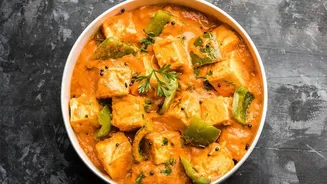
As a consumer, these changes are designed to give you more clarity. You now have the right to know exactly what is in your Paneer Butter Masala. On menus, be on the lookout for new descriptions. A dish made with a substitute may no longer be listed under the paneer section. The regulations empower diners to make more informed choices about what they eat, based on dietary preference, nutritional goals, and budget. While the rules are being rolled out, you can still be a savvy customer. Experts suggest that real paneer has a firm but soft texture and a fresh, milky aroma, whereas some analogues can feel rubbery or greasy. If you're ever in doubt at a restaurant, don't hesitate to ask the staff if they use milk paneer.