




A Wall of Water
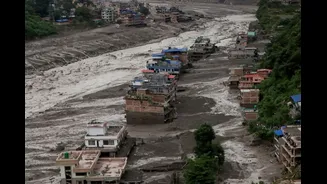
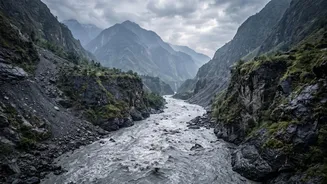
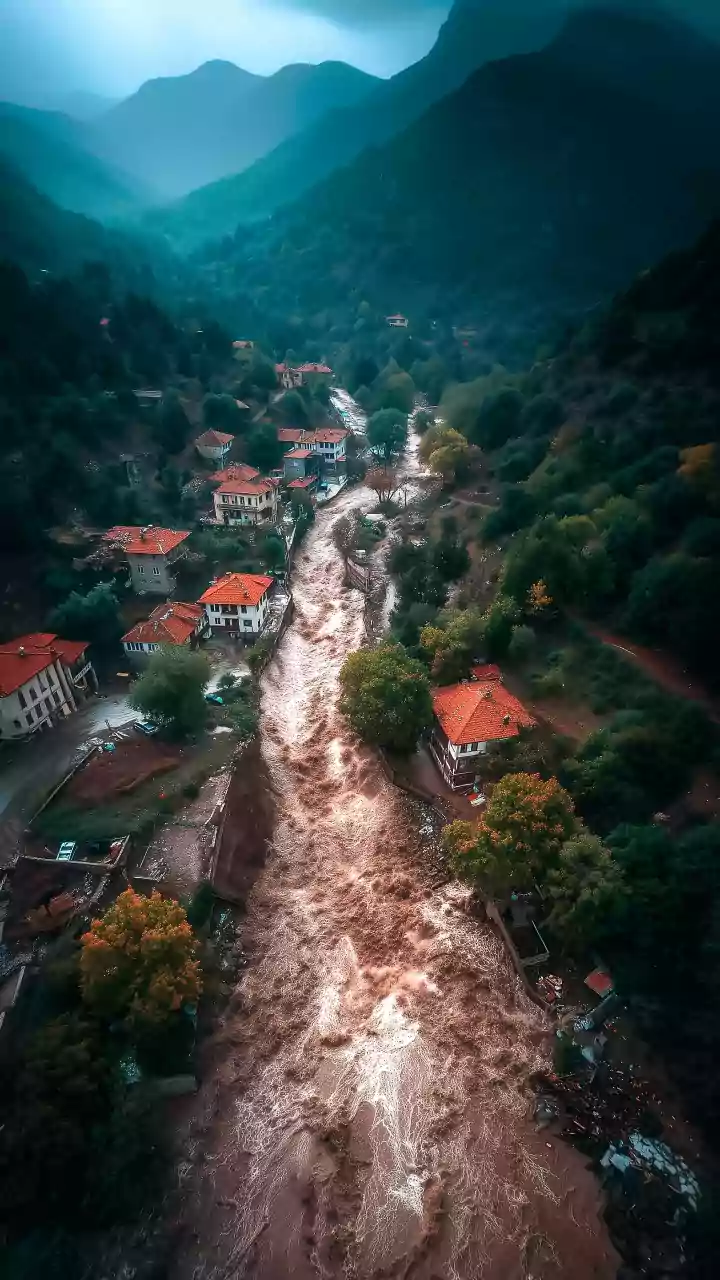
On the morning of Wednesday, August 26, a massive surge of water, debris, and boulders cascaded down the Bhote Koshi river, originating from the Tibet Autonomous Region of China and surging into Nepal's Rasuwa district. The wall of water struck around
9:00 AM local time, catching communities completely by surprise and travelling with exceptional speed. Water levels in the downstream Trishuli River reportedly rose by as much as nine metres in just 30 minutes. The event was so sudden that hydrological monitoring stations in the immediate area went offline abruptly, leaving authorities downstream with no advance warning. The Nepal government has since declared multiple districts, including Rasuwa and Nuwakot, as disaster crisis zones.
The Suspected Cause
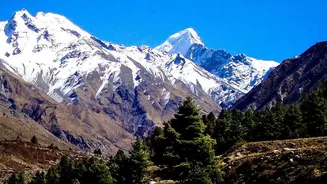
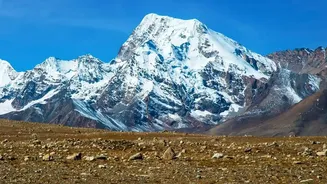
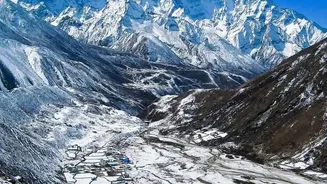
While the headline notes a possible "breach," initial expert assessments are pointing towards a complex, high-altitude event rather than a simple dam failure. The leading theory is that a massive ice and rock avalanche from a glacier, possibly on Langtang Lirung peak, blocked a tributary of the Bhote Koshi called the Lhende River. This created a temporary, unstable dam. When this natural barrier failed, it released the pent-up water in a devastating outburst flood. Scientists are also investigating whether a magnitude 4.4 earthquake, recorded in the border region at 8:37 AM that morning, may have triggered the initial avalanche, though a direct link has not yet been established. This type of event, known broadly as a Glacial Lake Outburst Flood (GLOF), is a known and feared hazard in the Himalayas.
Devastating Human and Infrastructure Toll
The flash flood has resulted in a significant loss of life, with hundreds reported dead and many more, including tourists and local workers, still missing across several districts. The force of the water has inundated or destroyed entire settlements and caused extensive damage to critical infrastructure. Key transportation routes, including the Araniko and Pasang Lhamu highways, have been severed, with roads and bridges washed away. This has severely hampered search and rescue operations, which are being conducted by Nepal's army and other security forces. Dozens of hydropower plants have also been damaged, disrupting the electricity supply. The damage to the Gyirong Port on the China-Nepal border has impacted both countries.
A Familiar Threat for a Fragile Region
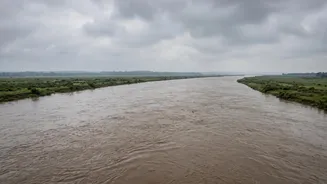
For residents of districts like Sindhupalchok and Rasuwa, devastating floods are a recurring nightmare. The Bhote Koshi and the wider Kosi river system are notoriously volatile. The Bhote Koshi itself is a major upper tributary of the Sapta Kosi system, which flows into Bihar, where it is often called the "Sorrow of Bihar" for its history of catastrophic flooding. The 2008 Kusaha embankment breach, for example, affected over 3 million people in Bihar when the river dramatically shifted its course. These events highlight the transboundary nature of river-based disasters in the region. The high sediment load from the young, fragile Himalayan mountains contributes to the river's instability, causing it to change course and making flood management a constant challenge.
Why This Matters for India
Events on the Bhote Koshi serve as a stark and urgent reminder of the shared vulnerabilities across the Himalayan region. The river is part of the same Kosi system that directly impacts northern Bihar. While this specific event's floodwaters will be attenuated before reaching India, the cause—a potential GLOF or avalanche-induced flood—is a major concern. Dozens of potentially dangerous glacial lakes have been identified in the region, many in Tibet, which pose a cross-border threat to both Nepal and India. This disaster underscores the critical importance of the India-Nepal cooperation on flood control and water management, governed by agreements like the Kosi Agreement. It highlights the urgent need for enhanced early-warning systems and joint monitoring of high-altitude hazards to protect downstream communities in both nations.