


The Art of Finding Stillness
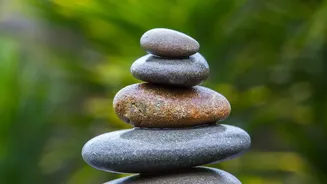
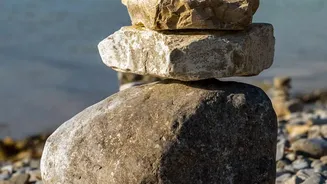
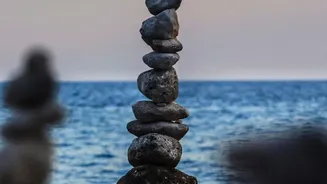
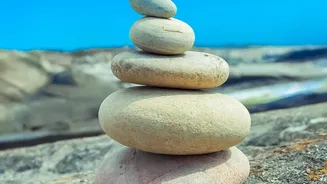
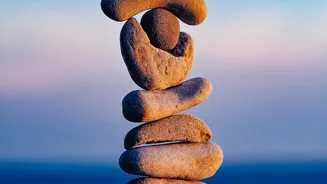
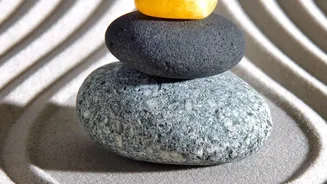
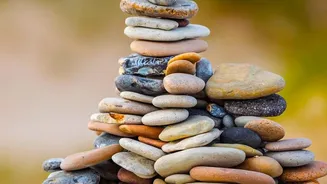
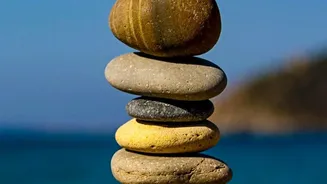
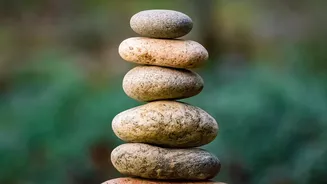
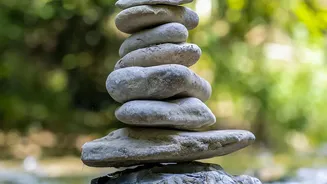
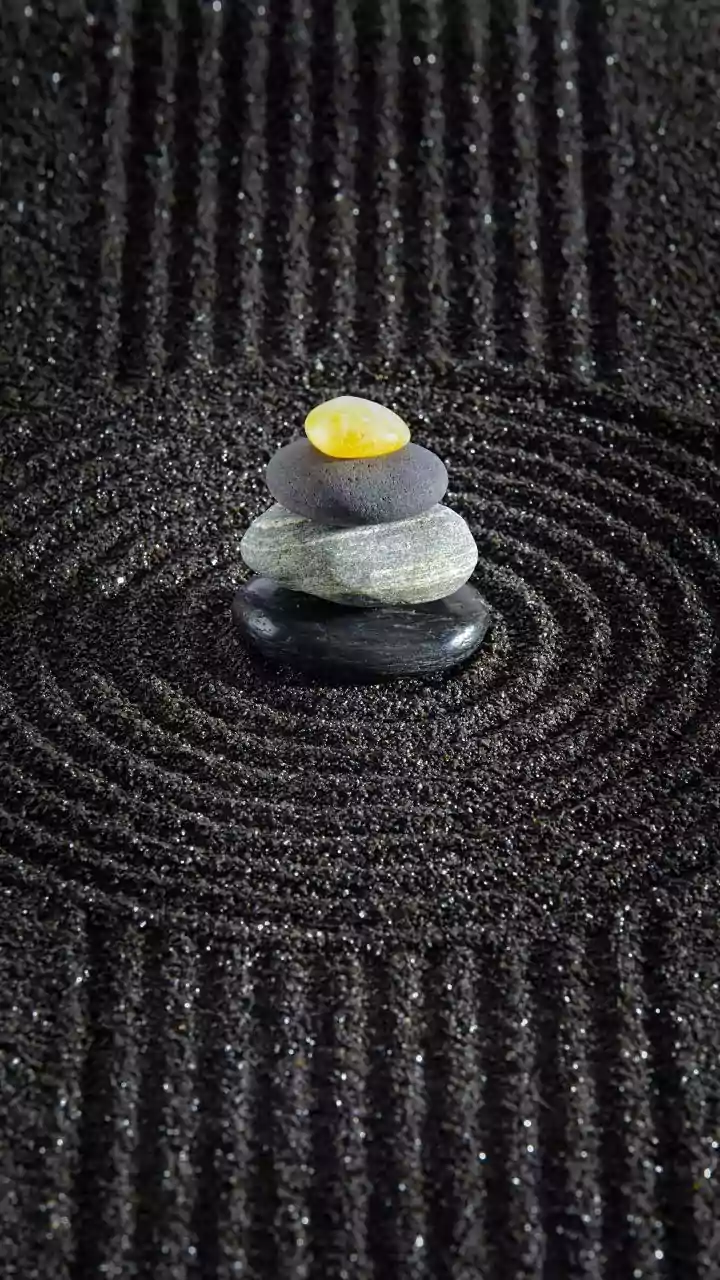
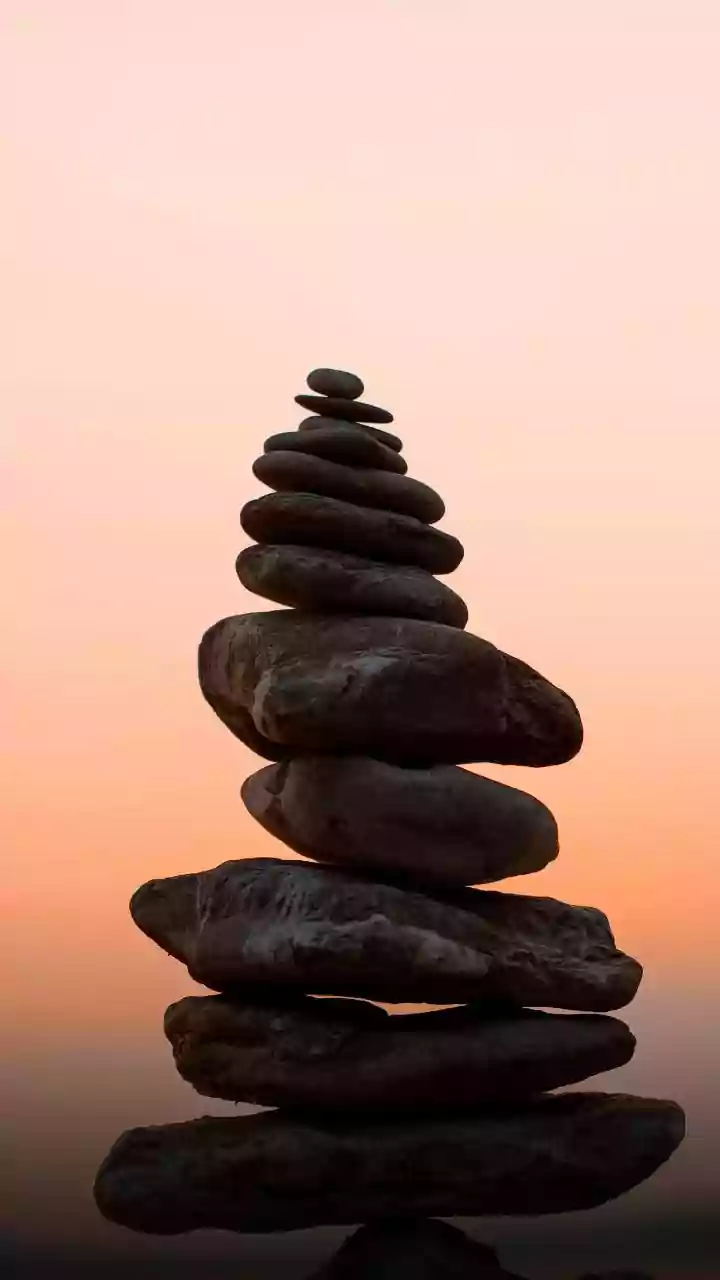
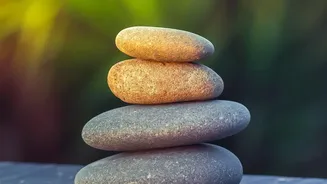
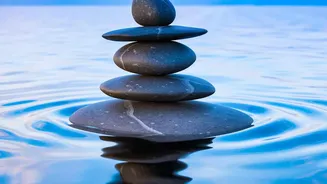
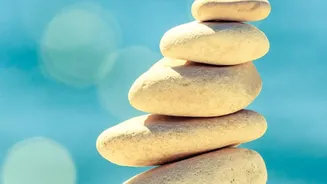
At its core, stone balancing is the practice of stacking rocks in various positions without any adhesives or supports. It is an art form that appears to defy gravity, creating sculptures that are both beautiful and seemingly improbable. But unlike simply
piling rocks, true stone balancing is a delicate process. It involves finding the natural points of contact, the tiny, unseen imperfections on the surfaces of two stones that allow them to lock together. Practitioners describe it as a meditative activity that requires immense patience and a quiet mind. The goal is not just to build a tower, but to enter a state of deep focus where the outside world fades away, and the only thing that matters is the connection between your hands, your mind, and the stones.
A Workout for Your Mind and Body
The headline is no exaggeration: stone balancing is a remarkable activity for enhancing focus and coordination. The act demands intense concentration to find a stone's center of gravity and place it with a slow, steady hand. This focused attention can improve mental clarity and your ability to concentrate on other tasks in daily life. Furthermore, the delicate placement and minute adjustments required are a direct exercise in hand-eye coordination. But the benefits run deeper. The process is a lesson in patience and resilience; stacks will inevitably tumble, teaching you to persevere and start again without frustration. Many who practice it describe it as a mindful activity that anchors them firmly in the present moment, reducing stress and calming anxiety.
Redefining Outdoor Adventure
So, what does this quiet hobby tell us about the broader meaning of outdoor activity? Often, we associate being outdoors with high-adrenaline sports, long-distance hiking, or conquering a peak. Stone balancing suggests a different approach. It shows that an outdoor activity can be about quiet observation, gentle interaction, and connecting with the environment on a subtle level. It's not about mastering nature, but about finding harmony within it. This aligns with philosophies like the Norwegian concept of 'friluftsliv', which describes the value of spending time in nature for spiritual and physical wellbeing, disconnected from daily stress. An outdoor activity doesn't have to be a grand expedition; it can be as simple as finding a moment of peace and focus by a stream, engaging with the natural world in a way that is restorative and deeply personal.
Practicing with a Gentle Footprint
As the popularity of stone balancing has grown, so have conversations about its environmental impact. Critics rightly point out that moving stones can disturb sensitive ecosystems. Rocks in streams and on land provide crucial shelter for insects, fish, and small animals. Dislodging them can disrupt habitats and contribute to soil erosion. Furthermore, leaving stacks behind can detract from the sense of wildness for other visitors and may be confused with official trail markers, known as cairns, potentially leading hikers astray. The ethos of responsible stone balancing aligns with the 'Leave No Trace' principle. The mindful practitioner enjoys the process but returns the stones to where they were found, leaving the landscape as it was. The art is in the temporary creation and the act of letting go, not in leaving a permanent mark.