




The Core Commitment: An Attack on One is an Attack on All
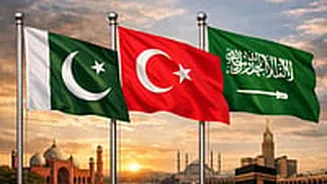
The central pillar of the Mecca Joint Defence Agreement, signed on August 7, 2026, is a collective defence clause. According to the joint statement released by the three nations, an armed attack against any one of the signatories will be considered an attack against all
of them. This principle immediately drew comparisons from observers to NATO's famous Article 5, which establishes a similar mutual defence guarantee among its members. The pact builds on a previous bilateral agreement between Saudi Arabia and Pakistan from 2025, formally adding Turkey's significant military and industrial might into the framework. The stated objective is to enhance collective deterrence and contribute to regional peace and stability. Officials from the signatory countries have emphasized that the pact is purely defensive in nature and not directed against any specific country.
The Strategic Context: Why Was It Signed Now?
The agreement did not emerge in a vacuum. Its signing comes amid a period of heightened regional instability, including the ongoing 2026 Iran war and renewed hostilities involving the Iran-backed Houthi movement in Yemen. Saudi Arabia has faced direct drone and missile strikes, exposing vulnerabilities and raising questions about the reliability of traditional security guarantees from Western powers like the United States. Analysts suggest the pact is a form of 'strategic hedging' by three major regional powers seeking to take greater ownership of their security architecture. It reflects a desire for more autonomy in a rapidly changing global order where the focus of major world powers may be shifting. By uniting, the three nations aim to create a more formidable deterrent against potential aggressors and signal their intent to manage regional security challenges themselves.
A Triangle of Complementary Strengths
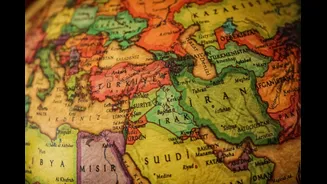
Each signatory brings a unique and complementary set of capabilities to the alliance. Saudi Arabia contributes immense financial resources, its position as a global energy powerhouse, and a modern, well-equipped air force. Turkey offers the second-largest army in NATO, a sophisticated and battle-tested defence industry renowned for its advanced drone technology, and deep experience within a formal military alliance. Pakistan provides a large, experienced military force and, most critically, its status as the only nuclear-armed state in the Muslim world. This combination of Saudi finance, Turkish technology, and Pakistani manpower creates a formidable bloc on paper, capable of projecting influence across the Gulf, Mediterranean, and South Asia.
The Major Ambiguity: A Pact Without Details
Despite the strong top-line commitment, the agreement's full text has not been made public. This leaves several critical questions unanswered. Unlike NATO, the Mecca Pact appears to lack any detailed, publicly known institutional machinery. There is no mention of an integrated command structure, specific force commitments, or clear rules of engagement that would dictate how the members must respond to an attack. Analysts note that this vagueness seems intentional. It allows the members to project solidarity and create a deterrent effect without binding them to specific, potentially costly actions in conflicts that may not align with their core national interests. This flexibility is both a strength and a potential weakness, as its credibility remains untested.
The Unspoken Question: The Nuclear Umbrella
The most significant point of uncertainty revolves around Pakistan's nuclear arsenal. While no official statement suggests the pact extends a 'nuclear umbrella' over Saudi Arabia or Turkey, its very existence creates strategic ambiguity. The inclusion of a nuclear-armed state in a collective defence agreement with a major oil producer that has long had nuclear ambitions inevitably raises the stakes for regional rivals. Analysts believe this 'nuclear shadow' is a deliberate aspect of the pact's deterrent strategy, forcing potential adversaries to consider a wider range of risks. However, Pakistan has historically maintained that its nuclear weapons are reserved exclusively for its own sovereign defence, making any assumption of extended deterrence purely speculative for now.