







An Ancient Journey Against the Odds
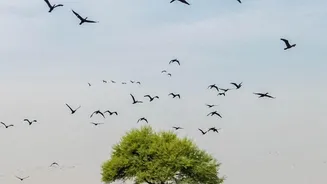
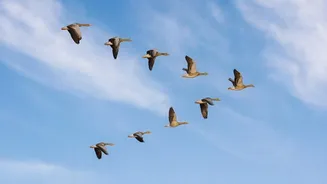
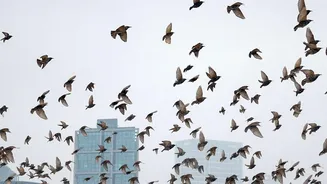
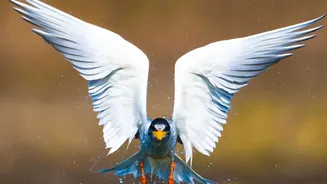
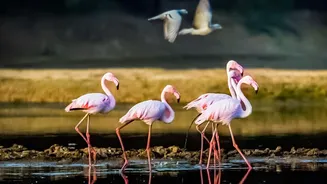
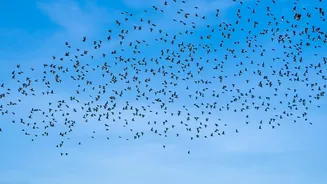
For thousands of years, birds have undertaken epic journeys, flying from as far as Siberia and Europe to winter in the relatively warmer climes of the Indian subcontinent. India is a crucial part of the Central Asian Flyway, a superhighway in the sky
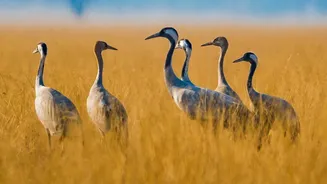
used by over 180 migratory species, including majestic cranes, geese, and countless shorebirds. These migrations are feats of incredible endurance, guided by instinct over thousands of kilometres. The birds are not just tourists; they are essential parts of our ecosystems, acting as pest controllers, pollinators, and seed dispersers. Their arrival has long been a celebrated event, signalling the change of seasons and connecting us to a natural rhythm far older than any human city. However, this ancient and awe-inspiring phenomenon is facing unprecedented modern threats that are pushing many species into decline.
Nowhere to Rest: The Vanishing Habitats
One of the most immediate dangers to migratory birds is the rapid disappearance of their homes and resting places. Wetlands—the lakes, marshes, and floodplains that serve as critical refuelling stations—are being systematically drained and degraded across the country. Urbanisation, agricultural expansion, and industrial pollution are transforming these vital ecosystems into concrete jungles and contaminated water bodies. Lakes that once teemed with life are now choked with waste, and grasslands are converted for development, leaving birds with nowhere to rest and feed. This habitat loss acts like a series of broken links in a chain; even if birds survive the long flight, they arrive at their destination exhausted, only to find their traditional grounds are gone. Recent reports from states like Bihar and Punjab highlight sharp declines in bird numbers at formerly bustling wetlands, directly linking the trend to encroachment and pollution.
A Climate in Chaos
Compounding the crisis is climate change, which disrupts the very cues that guide migration. Unpredictable and warming weather patterns are creating a dangerous mismatch in timing. Birds may arrive at their breeding or wintering grounds only to find that their primary food sources, like insects or plants, have already peaked or have not yet emerged. This asynchrony can lead to starvation and breeding failure. Furthermore, climate change brings more frequent and intense weather events, such as storms and droughts, which can be deadly for flocks mid-flight. Warmer winters might also shorten the migration season, giving birds less time to recover, or even cause some to alter their ancient routes altogether, venturing into unfamiliar and potentially hostile territories. Long-distance migrants, especially those breeding in the rapidly warming Arctic, have been found to be among the hardest hit.
A Compounding Crisis
Habitat loss and climate change do not operate in isolation; they create a devastating feedback loop. A bird weakened by a journey thrown into chaos by confusing climate signals is far less resilient when it encounters a degraded or polluted wetland. The combined pressure is immense. Power lines from infrastructure development create collision hazards, while chemical pollution from agriculture and industry contaminates their food sources, leading to fatalities. Recent studies have painted a grim picture, with over half of the world's migratory bird species showing population declines. In India, long-term data suggests that around 60% of bird species have declined over the past 30 years, with migratory shorebirds and ducks being among the most affected. These birds are like canaries in a coal mine, and their declining numbers are a clear warning about the health of our environment. Their struggle for survival is a direct reflection of the growing pressures on our planet’s natural systems.