






Ever wanted to name a piece of space history? The UK Space Agency is offering that chance for its first national mission, but time is running out. Here’s what you need to know about the contest and why your choice could be etched among the stars.
The Mission: A Celestial Cleanup
The contest
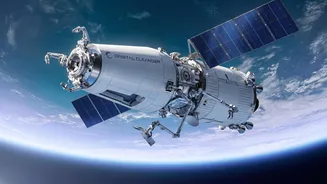
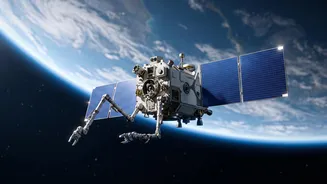
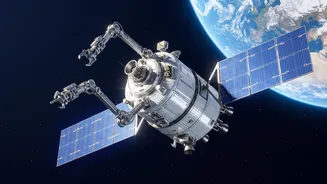
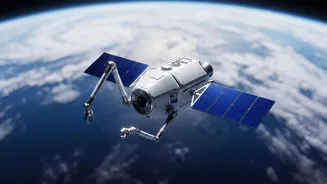
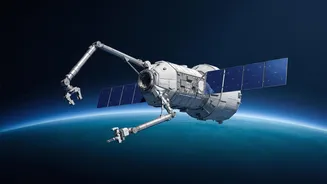
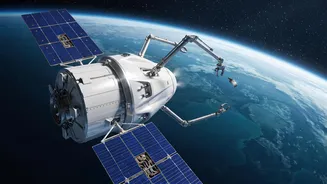
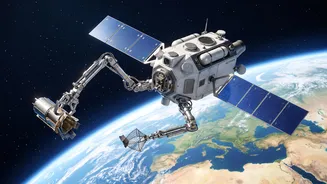
isn't for just any satellite; it's to name the UK's first-ever national space mission, a pioneering project to tackle the growing problem of space junk. The mission, officially titled the Active Debris Removal (ADR) mission, will see a specially designed spacecraft launch from Scotland in 2029. Developed in partnership with ClearSpace UK, the craft will use advanced robotics to hunt down, capture, and safely de-orbit two defunct satellites that are currently cluttering up Earth's orbit. Once captured, the spacecraft will guide them back towards the atmosphere where they will burn up, helping to protect the thousands of active satellites we rely on for everything from mobile phone service to weather forecasting.
How to Submit Your Entry
The deadline for submissions is fast approaching: all entries must be received by 5:00 PM GMT on Thursday, December 10, 2026. The competition is open to all UK residents, and entries from those under 18 must be submitted by a parent, carer, or teacher. Submissions should include a proposed name of no more than two words (which can be an acronym) and a brief explanation of up to 150 words on how the name reflects the mission's theme of keeping space clean and safe. The winning name will be etched onto the side of the spacecraft itself and featured on the official mission patch. Entries can be submitted online through the official UK Space Agency website.
The Ghost of Boaty McBoatface
Public naming contests have a famous and cautionary history in the UK. In 2016, the Natural Environment Research Council (NERC) invited the public to name its new polar research vessel. The runaway winner was the humorously memorable 'Boaty McBoatface', a suggestion that captured the internet's imagination and garnered over 124,000 votes. While the name won the poll, officials ultimately named the ship the RRS Sir David Attenborough. The public's choice, however, was not entirely ignored; 'Boaty McBoatface' became the name for one of the ship's advanced submersibles. The UK Space Agency has put safeguards in place, noting that the final decision rests with a judging panel and names that are offensive, political, or infringe on copyright will be avoided.
Why This Mission Matters
This mission is more than just a space cleanup; it represents a major step in the UK’s national space strategy and its commitment to sustainability in orbit. Lower Earth Orbit is often described as an 'orbital junkyard', with thousands of defunct satellites and debris fragments posing a significant threat to active and future missions. With estimates suggesting there could be around 60,000 satellites in orbit by 2030, the need for active debris removal is becoming critical. This £60 million project, launching from the SaxaVord Spaceport in Scotland, not only showcases British innovation in robotics and autonomous technology but also positions the UK as a global leader in ensuring the longterm safety and viability of space operations.
Inspiration for Your Submission
The agency has encouraged names that are inspirational, easy to pronounce, and work internationally, citing past examples like NASA's 'Mercury' program or Tim Peake's 'Principia' mission. The goal is to find a name that celebrates UK innovation and raises public awareness about the importance of a sustainable space environment. Potential entrants might draw inspiration from British history, mythology, famous scientists, or literary figures. Given the mission's purpose, themes of cleaning, guardianship, or preservation could be fruitful. As social media has already shown with suggestions like 'Obi Wan Cleanobi' and 'Red Dwarf', creativity is welcome, but a name that balances character with the seriousness of the mission will likely have the best chance.