



The Ground Beneath Your Feet
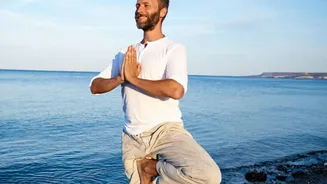
The core principle of Tai Chi involves slow, deliberate weight shifts, creating a seamless flow from one posture to another. On a solid floor, these shifts can become second nature. But take your practice to the sand, and everything changes. Sand provides
an unstable surface, offering natural resistance that challenges your body with every move. This instability means your muscles must work harder just to maintain your posture and control, turning a familiar routine into a novel and more demanding workout. It forces you to engage more deeply with the very foundation of your movement.
Amplifying Your Body's Signals
That 'pronounced' feeling in your weight shifts comes from something called proprioception—your body's ability to sense its own position in space. The unstable nature of sand heightens this internal feedback system. Your feet, ankles, and legs must make constant micro-adjustments to keep you from wobbling. This increased activity sends a flood of information to your brain, making you intensely aware of how your weight is distributed. You can no longer go through the motions on autopilot; the sand demands your full attention, effectively turning up the volume on your body awareness.
Building Stability from Unsteadiness
It might seem counterintuitive, but practicing on an unstable surface is an excellent way to build superior balance and strength. The constant challenge forces the small stabilizing muscles in your ankles, knees, hips, and core to activate and grow stronger. These are the very muscles that are often underutilized in standard exercises but are crucial for preventing falls and improving overall stability in daily life. Furthermore, while the workout is more challenging, the soft sand actually reduces the impact on your joints, making it a surprisingly gentle way to build robust functional strength.
A Deeper Mental Connection
Tai Chi is often described as 'meditation in motion', and practicing on sand can deepen this mental aspect significantly. The need to focus intensely on your balance and the physical sensations from your feet helps to quiet 'mind chatter'. The natural setting itself also plays a role. The rhythmic sound of waves can help guide your breathing, the fresh air can improve lung capacity, and the simple act of being barefoot connects you to the earth in a practice known as grounding. This multisensory experience promotes mental clarity and reduces stress, enhancing the holistic benefits of Tai Chi.
How to Get Started Safely
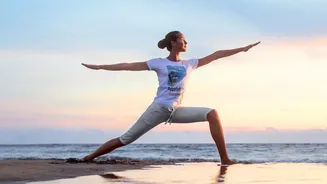
If you're intrigued, start slow. Your first time on the sand will be more tiring than you expect, so aim for a shorter session. Begin on wet, firm sand near the water's edge, which offers more stability than soft, dry sand. Focus on simple movements and stances. Be mindful of your body; the increased load on your ankles and calves can lead to strain if you do too much too soon. Some practitioners even have specific exercises named 'Circles in the Sand' to help develop this awareness, which can be practiced anywhere. If you have pre-existing joint issues, particularly in the ankles or knees, it’s wise to be extra cautious.