

The Price of Plenty
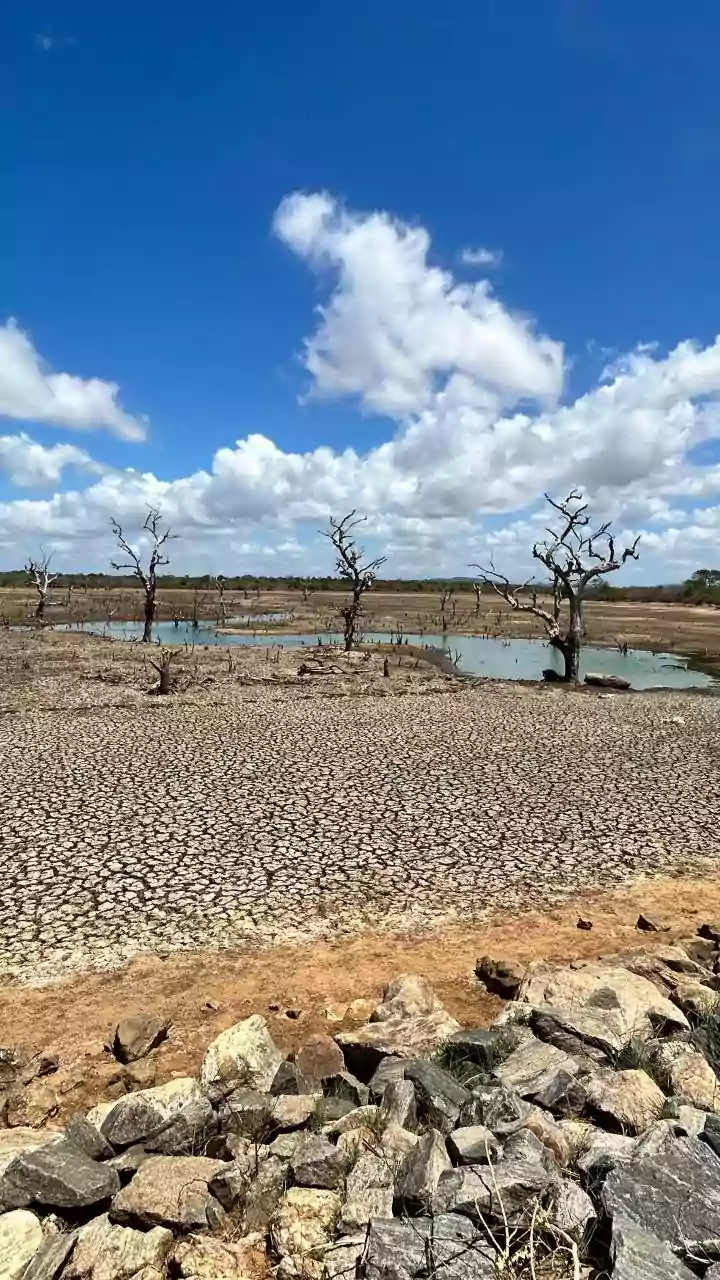
The Green Revolution turned Punjab into an agricultural powerhouse, but the relentless cultivation of wheat and especially water-intensive paddy has led to a silent crisis. Groundwater levels are plummeting, with nearly 80% of the state's administrative
blocks classified as over-exploited. Farmers are drilling deeper wells at a huge cost, while soil health deteriorates and pollution from stubble burning chokes the air. This two-crop system, once a symbol of food security, now threatens the long-term ecological and economic future of the state. The very foundation of Punjab's agricultural miracle is becoming unsustainable.
Why Past Diversification Plans Faltered
The idea of crop diversification is not new; efforts have been made for years to encourage farmers to switch to alternatives like maize, cotton, pulses, and oilseeds. However, these plans have consistently failed to gain widespread traction for one simple reason: economics. The existing system for wheat and paddy provides farmers with a powerful safety net—an assured Minimum Support Price (MSP) and a robust government procurement network that buys almost their entire produce. No alternative crop has ever come with such a strong guarantee. For a small farmer, switching to a new crop without an assured buyer and a stable price is a gamble most cannot afford to take.
The Missing Piece: Income Security
This is where the concept of crop-income security becomes central. It's a recognition that asking a farmer to diversify without protecting their income is a non-starter. Income security goes beyond just announcing an MSP for a new crop; it means creating a system that guarantees a farmer's income will not fall if they switch from paddy. This can be achieved through various mechanisms: robust procurement infrastructure for new crops, deficiency payments to cover the gap between market price and MSP, or direct income support for farmers who make the switch. Without this financial assurance, the profitability and stability of the paddy-wheat cycle will always win out, no matter the long-term environmental cost.
Putting the Idea into Practice
The Punjab government has begun to acknowledge this reality. Recent schemes to promote maize cultivation, for example, now include a direct financial incentive of ₹17,500 per hectare for farmers who move away from paddy. This is a step towards de-risking the transition. The plan, expanded to 16 districts for the 2026-27 season, aims to cover 20,000 hectares and is paired with efforts to digitize the subsidy process for transparency and create an assured procurement mechanism. The goal is to make maize a genuinely viable long-term alternative by addressing both the agronomic and economic aspects of the shift.
The Challenges Ahead
While income security is the right approach, implementation is a massive undertaking. Building a procurement and market ecosystem for new crops to rival the scale of the Food Corporation of India's paddy operations requires immense investment and political will. The financial incentives needed to persuade millions of farmers must be substantial and sustained over several years to build confidence. Furthermore, the entire agricultural supply chain, from seed suppliers to market agents, is deeply entrenched in the paddy-wheat system. Shifting this complex machinery is a slow and challenging process that requires coordinated effort from the central and state governments, agricultural universities, and the farmers themselves.