

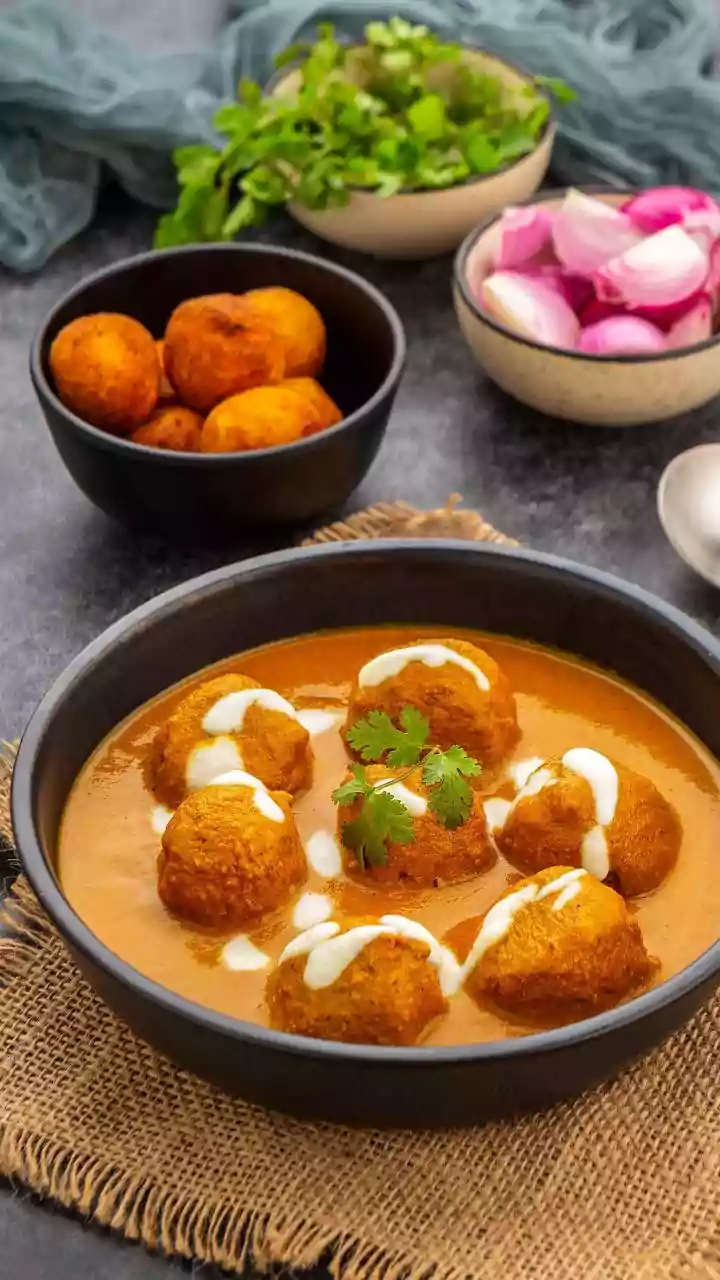



The Golden Rule: Chill, Chill, Chill
The headline says it all, and it's the single most transformative step you can take. After preparing your kebab mixture, refrigerating it for at least 20-30 minutes is non-negotiable. This chilling period works wonders. As the mixture cools, the fats
in the hung curd and any added paneer or cheese solidify, making the entire concoction firmer and less sticky. This simple act of patience makes the delicate mixture much easier to handle and shape into patties. More importantly, it dramatically reduces the chances of the kebabs breaking or disintegrating in the hot oil. Think of it as allowing the flavours to meld and the structure to set before the crucial frying stage.
It All Begins with the Hung Curd
A perfect dahi kebab is impossible without perfect hung curd. This is the foundation of your dish, and any excess moisture is your enemy. Using thick, full-cream curd is the best starting point. To make hung curd, place the dahi in a muslin or cheesecloth, tie it up, and let it hang over a bowl to drain away the whey. For truly thick, cream cheese-like consistency, this process should last for several hours, or even overnight in the refrigerator. Placing a weight on top can speed up the process. The goal is to get a curd so thick that it holds its shape and doesn't drip any water. This step is crucial because excess water will make your kebab mixture loose, causing it to fall apart when frying and soak up too much oil.
The Art of Binding
While hung curd is the star, it needs a supporting cast to ensure a stable structure. Binding agents are essential for absorbing any residual moisture and holding the kebab together. Roasted gram flour (besan) is a traditional and effective choice; roasting it beforehand is key to avoid a raw taste. Breadcrumbs are another excellent option, as they not only bind but also contribute to a crispier texture. For an extra creamy and rich kebab, many recipes call for adding crumbled or grated paneer. Paneer not only helps with binding but also adds a wonderful, soft texture that complements the tang of the curd. The key is to find the right balance—enough binder to hold everything together, but not so much that you lose the signature soft, creamy interior.
Shaping and Frying to Perfection
Once your mixture is perfectly chilled and bound, it's time to shape. Grease your palms with a little oil to prevent sticking and handle the mixture gently. Pressing the patties too hard can make them dense and prone to cracking. After shaping, a final light coating of breadcrumbs can create a protective outer layer that ensures an extra-crispy finish and prevents the soft interior from breaking. When it comes to frying, temperature is everything. The oil should be hot, but not smoking. Frying on a medium to medium-high flame is ideal. If the oil is too cool, the kebabs will absorb excess oil and become greasy. If it's too hot, they will brown too quickly on the outside before the inside is properly set, or even burn. Fry them in small batches without overcrowding the pan, and only flip them once the base is golden and firm.