




By the Numbers: A New Leader Emerges
The change at the top is not a forecast; it's a fact confirmed by recent data. According to preliminary figures from Airports Council International (ACI), South Korea’s Incheon International Airport handled 38.39 million international passengers in the first
half of 2026. This put it just ahead of London Heathrow, which processed 37.79 million passengers during the same period. The result marks a historic first for Incheon, which only opened in 2001, and signals a significant reordering of global aviation hubs. While Heathrow's overall numbers remain strong, this specific loss in the crucial international passenger category highlights a broader trend of traffic moving eastward.
The Incheon Formula: Ambition Meets Opportunity
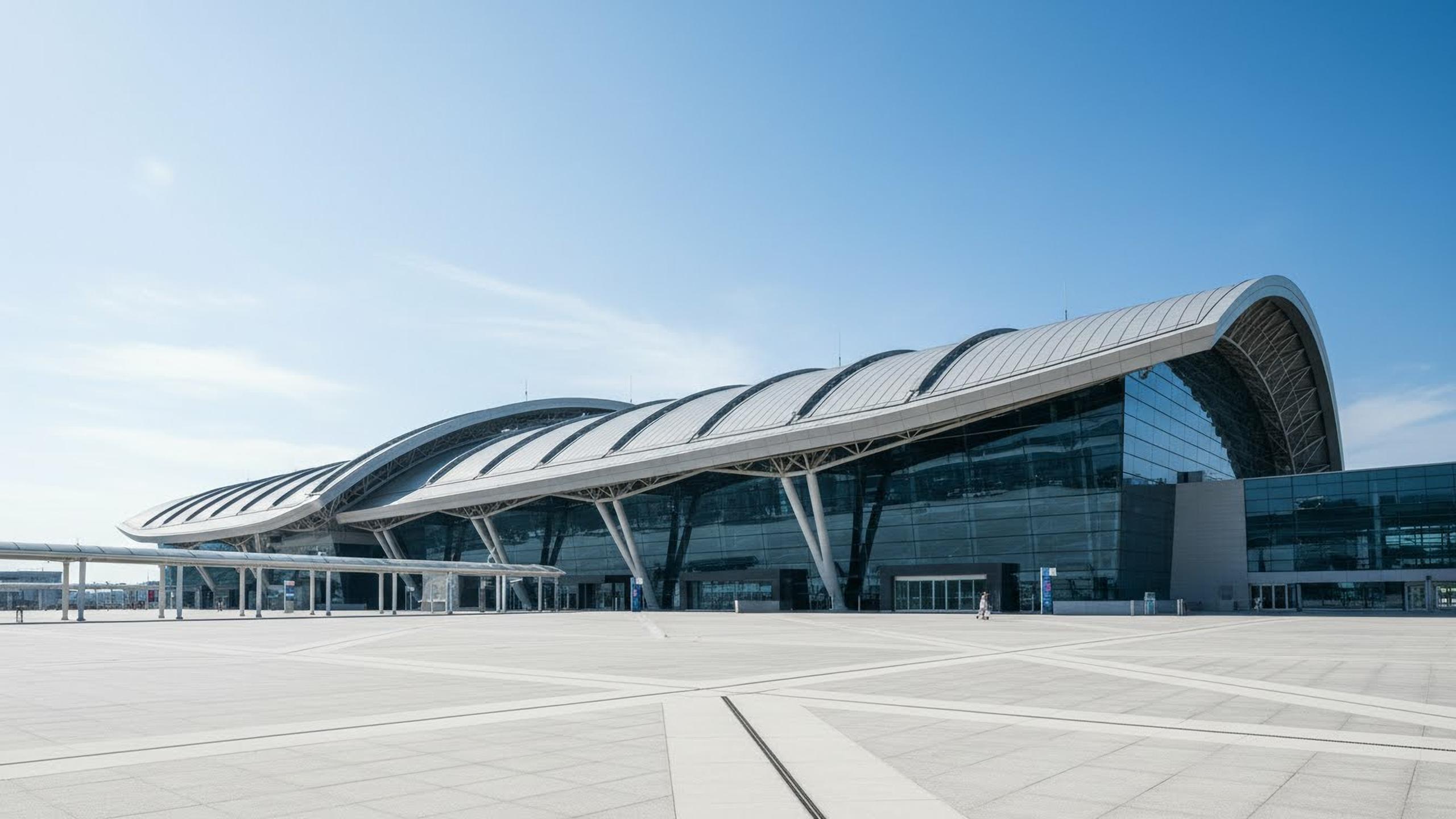
Incheon's rise is no accident. It is the result of decades of strategic planning, massive infrastructure investment, and a keen focus on the passenger experience. The airport completed a major four-phase expansion in late 2024, boosting its annual capacity to 106 million passengers and making it a formidable competitor. Beyond sheer size, Incheon has consistently won awards for service quality, cleanliness, and family-friendly amenities, ranking second globally in the 2026 Skytrax World Airport Awards. This success has been amplified by geopolitical events. Recent disruptions in Middle Eastern airspace have led some airlines to divert traffic, with European transfer passengers to Incheon soaring by over 63% as it provides a stable alternative route between Asia and the West.
Heathrow's Headwinds: A Victim of Its Own Success?
While Incheon expands, Heathrow has been struggling with long-standing constraints. Operating at nearly 99% capacity with just two runways, the airport has little room to absorb disruptions or accommodate growth. For over two decades, plans for a third runway have been mired in political debate, environmental protests, and community opposition, with critics highlighting concerns over noise, air pollution, and the impact on local residents' health. These capacity issues have made it vulnerable, recently losing its title as Europe's busiest airport to Istanbul. While Heathrow continues to call for expansion, arguing it's critical for the UK economy, it is being outpaced by more nimble and modern hubs.
The Great Aviation Shift to the East
The Incheon-Heathrow story is a chapter in a much larger book: the structural rebalancing of global aviation toward the Asia-Pacific. This region is projected to be the world's largest and fastest-growing aviation market, driven by a rising middle class in countries like India and China, and massive infrastructure investment. New, large-scale airports are under construction or expanding not just in South Korea, but also in Vietnam, India, and the Philippines, all vying to become the next major transit hubs. This shift is reshaping airline networks and challenging the long-held dominance of European and Middle Eastern airports as the primary crossroads of the world.
What This Means for Indian Travellers
For the millions of Indians who travel internationally, this eastward shift in aviation power brings new possibilities. Traditionally, journeys to North America or parts of Europe were routed through Middle Eastern or European hubs. Now, airports like Incheon and Singapore Changi offer highly competitive and often more efficient one-stop alternatives. As India's own aviation market becomes the world's third-largest, airlines are expanding direct routes. However, for many destinations, a transfer is still necessary. The rise of Asian super-hubs provides Indian travellers with more choice, potentially leading to lower fares and new route combinations, especially for travel to the Americas and across the Pacific. This competition forces all hubs, old and new, to innovate and improve the passenger experience.