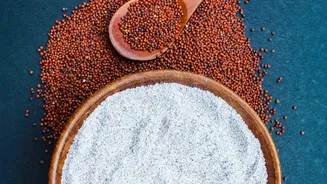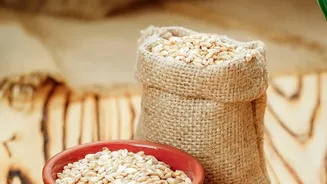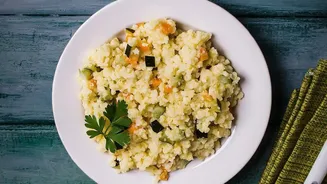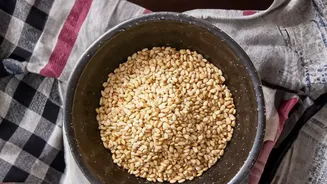




Often overlooked, millet is a powerhouse of nutrition and versatility. Its greatest strength lies not in a bold taste, but in its subtle, mild flavour, making it a perfect canvas for an incredible array of global herbs, spices, and seasonings.
The Beauty of a Blank Canvas
Think of
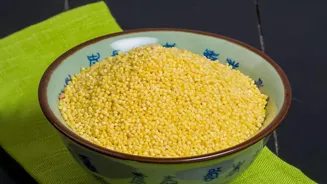
millet as the quiet, reliable friend in your pantry. Unlike grains with very distinct personalities, most common millet varieties like proso, foxtail, and pearl millet have a gentle, slightly sweet, and nutty taste. This neutrality is a feature, not a flaw. It means millet won't compete with the other ingredients in your dish; instead, it absorbs and enhances them. While some varieties, like finger millet (ragi), have a more pronounced earthy flavor, the types most commonly found in stores are prized for their adaptability. This makes millet an ideal base for everything from a fragrant breakfast porridge to a savoury pilaf or a refreshing salad.
First, Cook It Right
To get the best results, it helps to cook millet properly. For a fluffy, pilaf-style texture where the grains are separate, a 1:2 ratio of millet to water or broth is standard. Toasting the dry grains in a pan for a few minutes before adding liquid is a simple step that deepens their natural nutty aroma. Once the liquid is added, bring it to a boil, then reduce the heat, cover, and simmer for about 15-20 minutes until the liquid is absorbed. Let it stand, covered, off the heat for another 10 minutes, then fluff with a fork. For a creamier, porridge-like consistency, simply increase the liquid-to-grain ratio to 3:1.
Classic Indian Spice Pairings
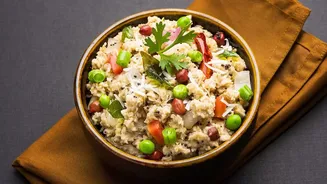
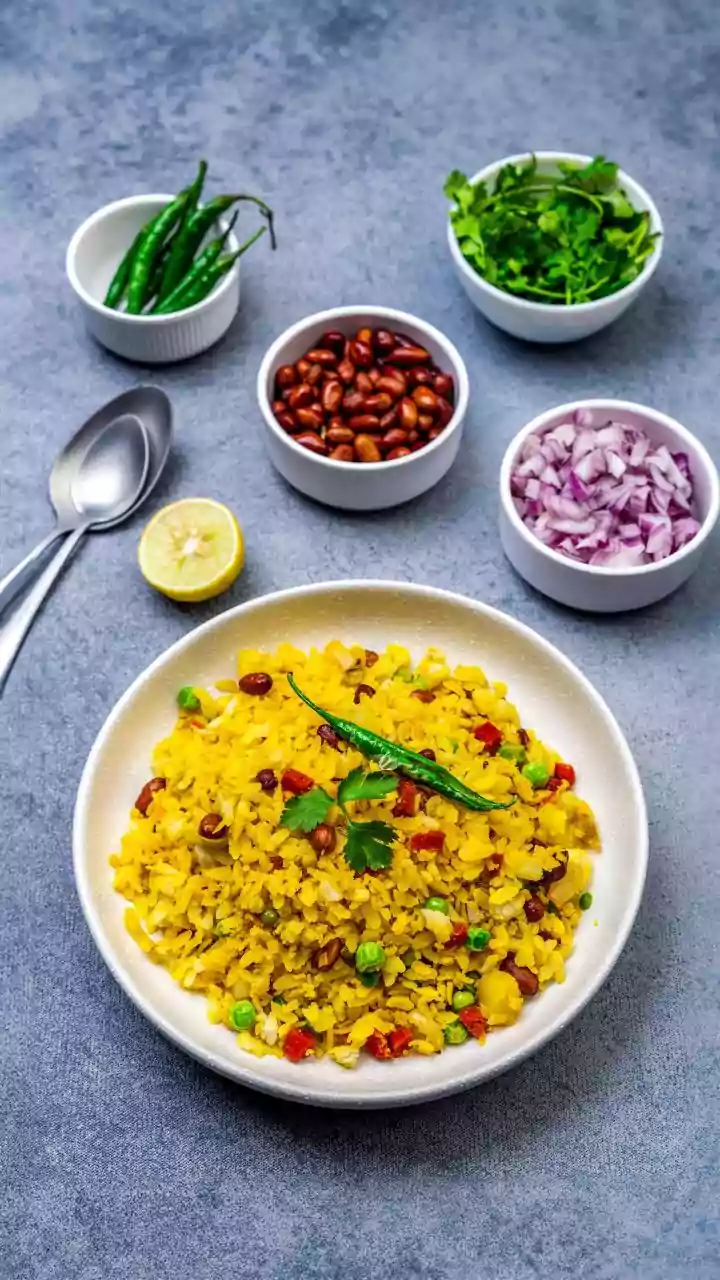
Millet has been a staple in Indian cuisine for centuries, and it pairs beautifully with traditional spices. For a simple and flavourful meal, prepare a tadka (tempering) with ghee or oil. Heat the fat and sizzle mustard seeds, cumin seeds, and a pinch of asafoetida. You can also add curry leaves, turmeric, and finely chopped ginger and garlic. Mix this aromatic tempering through your cooked millet for an instant upma or pulao. Whole spices like cinnamon sticks and cloves can also be added while the millet cooks to infuse it with a gentle, warming fragrance. Garnish with fresh coriander to finish.
A Mediterranean Herb Garden
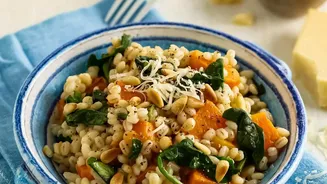
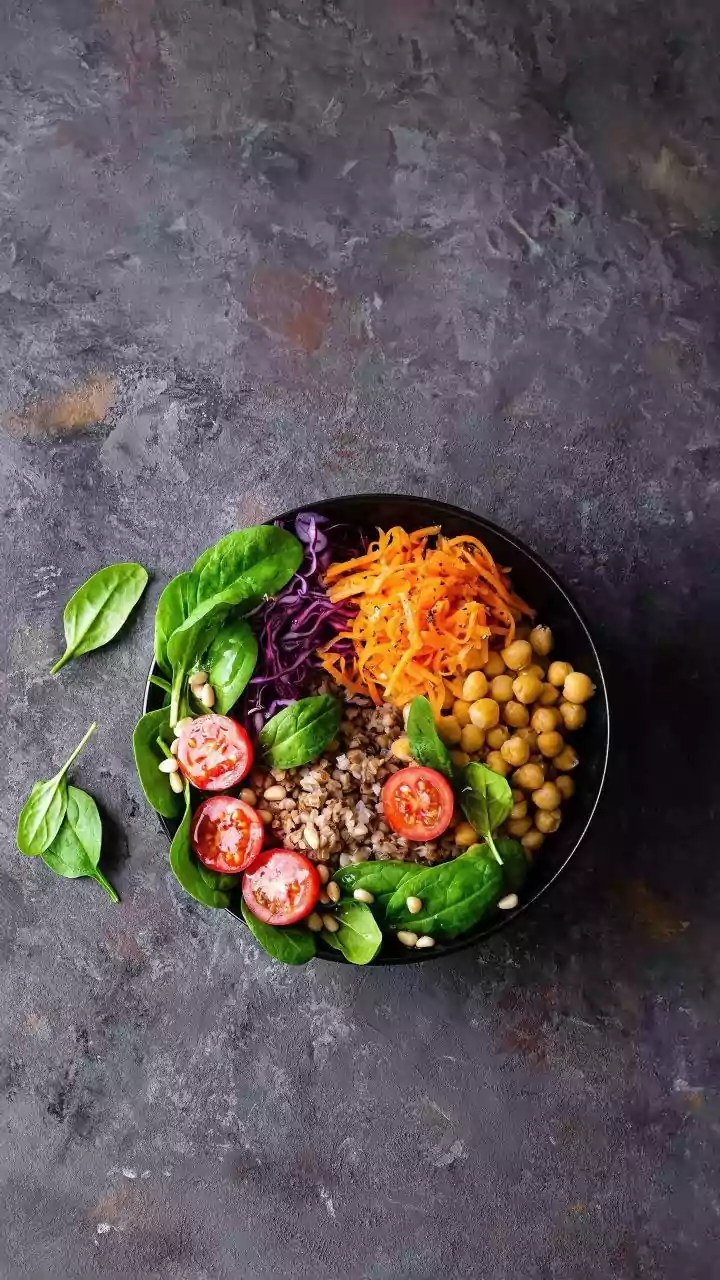
The fresh, bright flavours of the Mediterranean are a fantastic match for millet. Its light texture makes it a great alternative to couscous or bulgur in salads. Once cooked and slightly cooled, toss millet with a generous amount of fresh herbs like parsley, mint, basil, and chives. A simple dressing of extra virgin olive oil and fresh lemon juice brings it all together. This herbed millet can be a side dish on its own or the base of a more substantial meal. Try adding chopped cucumbers, tomatoes, bell peppers, and feta cheese for a complete Mediterranean millet bowl.
Sweet and Aromatic Spices
Don't just think savoury—millet makes a wonderful breakfast porridge. When cooked with milk or a plant-based alternative, it becomes creamy and comforting. This is where sweet spices truly shine. Stir in ground cinnamon, cardamom, nutmeg, or ginger while it cooks to infuse every bite with warmth. Once cooked, you can sweeten it to taste with a drizzle of honey or maple syrup and top it with fresh fruit, nuts, and seeds for added texture and nutrition.