




The Pre-Festival Game Plan
The best food festival experience begins before you even arrive. Most events post a list of vendors and a map online in advance. Take a few minutes to review the offerings and identify your must-try dishes. This helps you prioritise and avoid filling
up on the first things you see. Consider the logistics of the day: dress comfortably in layers and, most importantly, wear comfortable shoes. Darker clothing can also be a strategic choice to hide the inevitable spills. Finally, while many vendors now accept cards, bringing cash is always a good idea for smaller stalls or parking. A charged phone is also essential for coordinating with friends and capturing your favourite finds.
Mastering Portions and Pace
The key to enjoying a food festival without feeling uncomfortably full is to think of it as a marathon, not a sprint. Instead of committing to a full plate at every vendor, go with friends and share items. This allows you to sample a wider variety of foods without over-consuming. Many vendors may also offer smaller, sample-sized portions. Opting for these is a great way to taste more. If you see a long line, consider starting at the opposite end of the festival and working your way backward to avoid the biggest crowds. And don't forget to hydrate. Drink plenty of water throughout the day to stay energised and aid digestion. Taking breaks to walk around or enjoy other festival activities like music can also help you pace your eating.
The Rules of Take-Home Safety
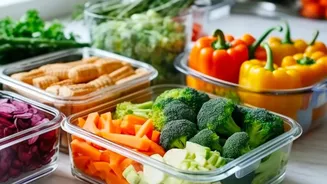
Bringing home leftovers can extend the joy of the festival, but only if handled safely. The most critical rule involves the "danger zone" for food, which is between 40°F and 140°F (about 4°C to 60°C). In this temperature range, bacteria can multiply rapidly. As a rule, perishable food should not be left at room temperature for more than two hours. If you're at an outdoor festival and the temperature is above 90°F (32°C), that window shrinks to just one hour. If you plan on taking food home, get it into a refrigerator as quickly as possible. Store items in clean, airtight containers.
Safely Reheating Your Festival Finds
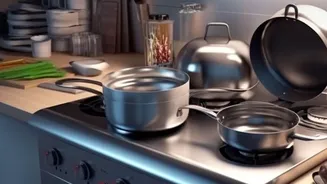
When you're ready to enjoy your leftovers, proper reheating is essential to kill any harmful bacteria. All leftovers should be reheated to an internal temperature of 165°F (74°C). The best way to ensure this is by using a food thermometer. When using a stovetop, bring sauces, soups, and gravies to a rolling boil. If you're using a microwave, cover the food to retain moisture and ensure it heats evenly, stirring it partway through the process. It's generally advised to eat refrigerated leftovers within three to four days for the best quality and safety. If you have any doubt about how long something has been sitting out or stored, the safest choice is always to discard it.