




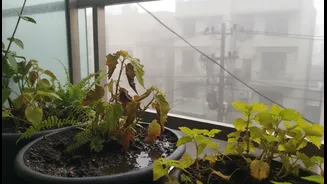


Start with the Most Obvious Step
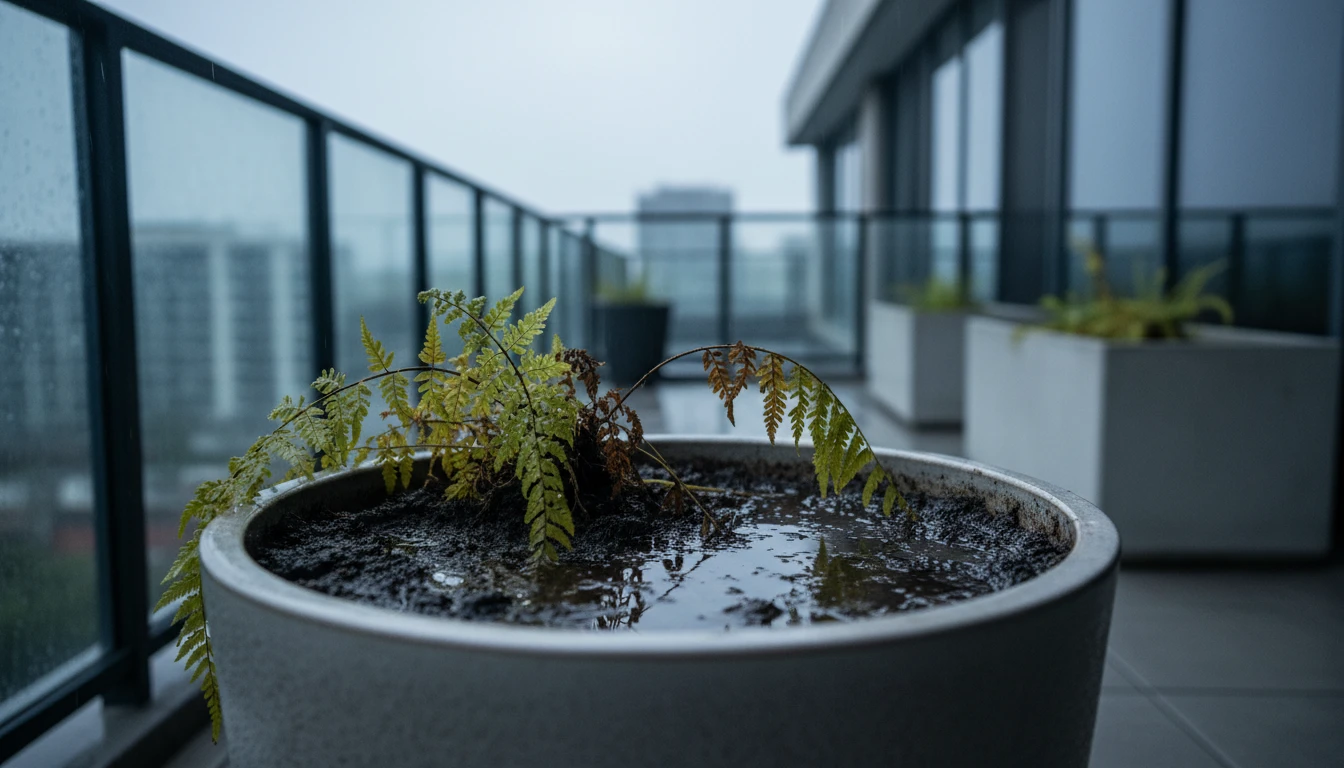
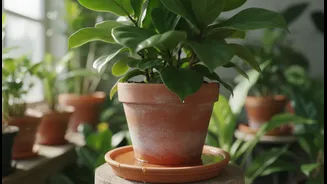
The first and most immediate action is to deal with standing water. Check the saucers or trays underneath your pots. If they are full, empty them immediately. Leaving pots to sit in a puddle is the fastest way to suffocate the roots. While you're at it,
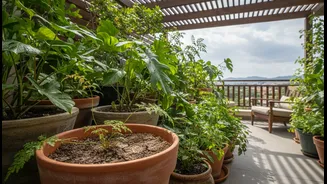
gently lift or tilt larger pots to allow trapped water underneath to escape. If you have any small pots that are completely saturated, consider moving them to a sheltered spot, like under an eave, to give them a chance to dry out away from further downpours. This simple step prevents the lower layers of soil from becoming a swamp.
Assess the Soil and Check for Distress
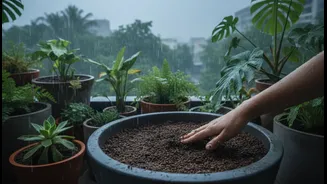
Just because the rain has stopped doesn't mean the danger has passed. The next step is to check the soil itself. Stick your finger about an inch or two into the soil. If it feels soggy and excessively wet rather than just damp, you have a potential problem. Look out for other tell-tale signs of overwatering: lower leaves turning yellow, drooping or limp stems even though the soil is wet, and a musty or foul odour coming from the pot. These symptoms indicate that the roots are struggling and may be starting to rot. Sometimes, you might even see a green, mossy layer forming on the soil surface, which is a clear sign of poor drainage and excessive moisture.
Let the Air In
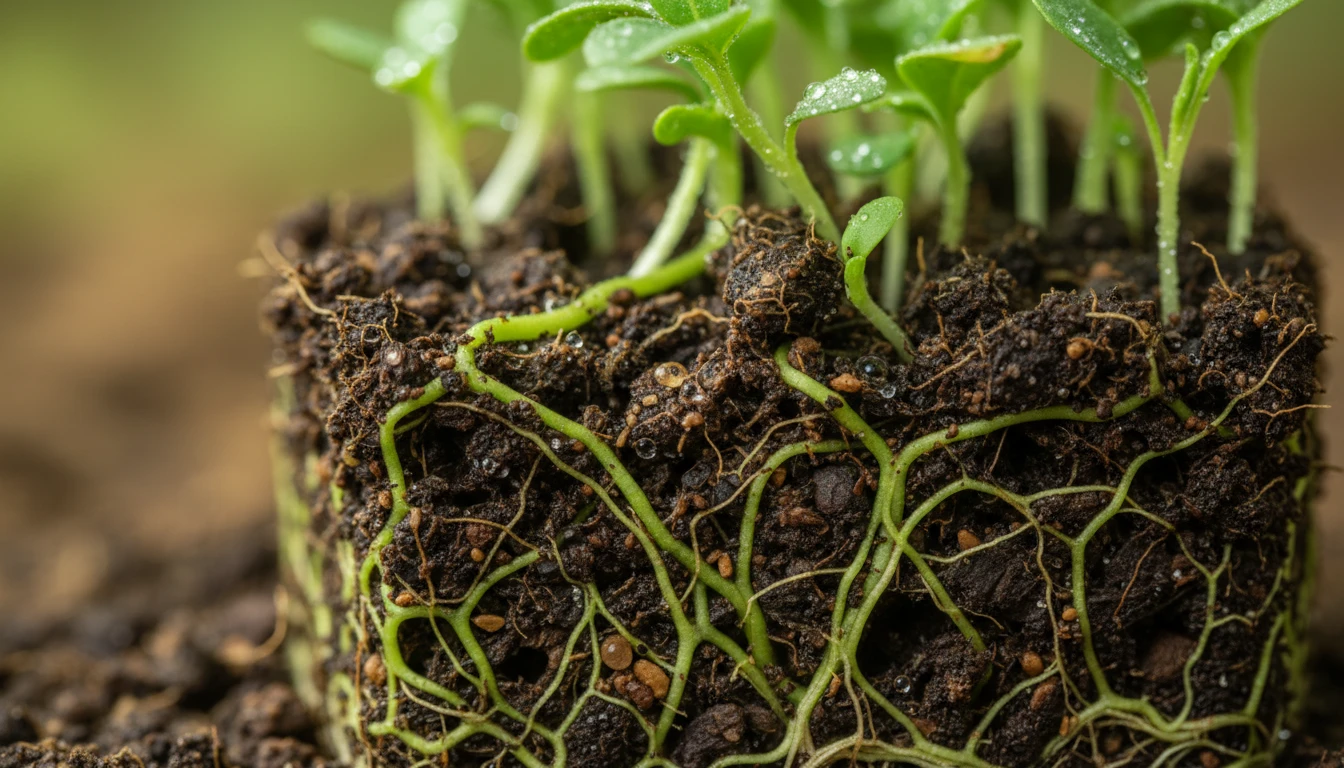
If the soil is heavily compacted and waterlogged, the roots can't breathe. You can help by gently aerating the soil. Take a thin stick, a chopstick, or even a fork and carefully poke several holes into the soil, especially around the edge of the pot. Be careful to avoid the main root ball of the plant. These small channels allow air to penetrate deeper into the soil and help the excess water evaporate and drain away more quickly. This is a crucial rescue step for pots with dense, heavy soil that retains too much water.
Prune and Tidy Up
Wet conditions are a breeding ground for fungal diseases. Inspect your plants for any damaged or decaying parts. Snip off any leaves that have turned yellow or brown, and remove any broken stems. This not only improves the plant's appearance but also enhances air circulation around the base, which helps the soil surface dry faster. Removing this decaying matter prevents the spread of rot and denies pests a place to thrive. A quick clean-up can make a significant difference in preventing a minor issue from becoming a major infestation.
Prepare for the Next Downpour
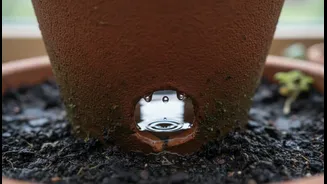
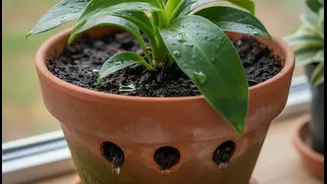
Prevention is always better than cure. To avoid future waterlogging, ensure all your pots have adequate drainage holes at the bottom. If they are blocked, clear them out. A great long-term strategy is to elevate your pots. Placing them on 'pot feet', bricks, or simple stands creates an air gap underneath, allowing water to drain freely instead of pooling at the base. Consider your soil mix as well. Heavy, clay-like soils hold onto water for too long. When you next repot, use a well-draining potting mix, perhaps one containing coco peat and perlite, to create a healthier environment for the roots.