






The Global Fermentation Craze
Fermented foods are having a major moment globally, and for good reason. The process of fermentation, which uses microorganisms like bacteria and yeast to preserve food, not only creates complex, deep flavours but also populates the food with probiotics.
These beneficial microbes are celebrated for their potential to improve gut health, aid digestion, and support the immune system. As health-conscious consumers and curious foodies in India look for new ingredients, the bold tastes of Japanese miso and Korean kimchi have found a welcoming audience.
Meet Miso: The Umami Powerhouse from Japan
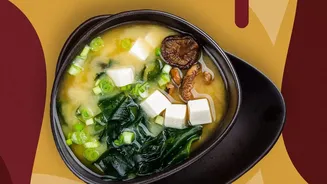
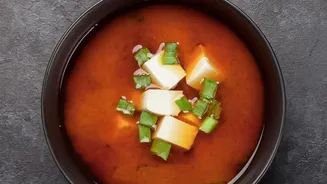
Miso is a traditional Japanese seasoning, a thick paste made by fermenting soybeans with salt and a fungus called koji (Aspergillus oryzae). The fermentation can last for weeks or even years, resulting in a product that is salty, earthy, and packed with 'umami'—the so-called fifth taste that signifies savouriness. There are many varieties, but the most common are white (shiro) miso, which is milder and sweeter due to a shorter fermentation time, and red (aka) miso, which is aged longer for a more pungent, intense flavour. Primarily a flavour enhancer, miso dissolves into dishes to provide a deep, savoury backbone.
Meet Kimchi: Korea's Spicy, Crunchy Staple
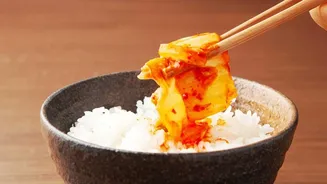
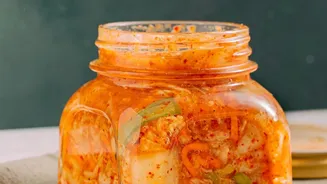
Kimchi is a traditional Korean side dish, or banchan, made from salted and fermented vegetables. The most famous version uses napa cabbage, which is seasoned with ingredients like gochugaru (Korean chilli powder), garlic, ginger, and spring onions. Unlike the smooth paste of miso, kimchi is all about texture—a satisfying crunch combined with a complex flavour profile that is spicy, sour, and tangy all at once. With hundreds of varieties using different vegetables, kimchi is not just a condiment but a versatile ingredient that can be the star of a meal.
The Flavour Face-Off: Paste vs. Pickle
The simplest way to understand the difference is to think of miso as a background ingredient and kimchi as a foreground flavour. Miso is a paste you add to a dish—like a stock cube or a dollop of mustard—to enhance its overall taste. You wouldn't typically eat a spoonful of miso on its own. Its primary role is to lend a salty, umami depth to soups, marinades, and sauces. Kimchi, on the other hand, is a ready-to-eat vegetable dish. It's served with a meal, much like Indian pickles (achaar), or chopped and mixed into dishes like fried rice or pancakes, where its texture and spicy-sour taste are prominent features.
Bringing Miso into the Indian Kitchen
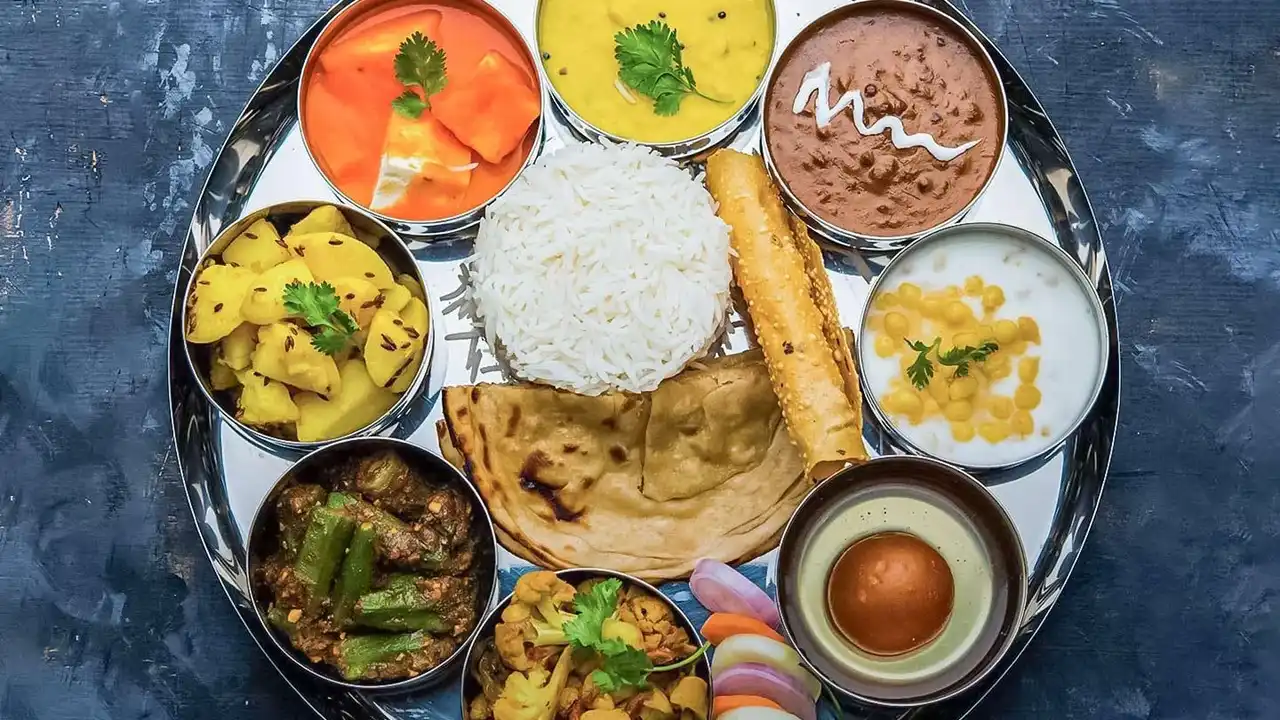
Miso's savoury depth makes it a surprisingly versatile addition to Indian cooking. Experimental home cooks and chefs are stirring it into everything from dal to dessert. A teaspoon of white miso can be added to dal tadka (after boiling, to preserve probiotics) to enrich its flavour without overpowering it. It works beautifully as a marinade for paneer, chicken, or fish, providing saltiness and a deep savoury character. You can even whisk it into salad dressings or use it to create a flavourful base for vegetable curries.
Making Kimchi Feel at Home
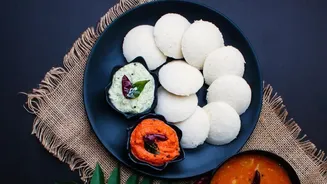
Kimchi’s tangy crunch makes it a natural fit for the Indian palate. The easiest way to start is by using it as a side dish with dal, rice, or khichdi, just as you would any other pickle. Its spicy and sour notes can cut through the richness of a dish. Kimchi can also be finely chopped and mixed into fillings for parathas, dosas, or even uttapam. Kimchi fried rice is a global favourite, and it's a quick and easy way to make a flavour-packed one-pot meal. You can also add it to sandwiches or use it as a topping on avocado toast for a zesty kick.