






The Dawn of Social Fitness
The concept of "Sunrise Team Games" is less about a formal league and more about a growing philosophy: making morning exercise a shared, enjoyable experience. Instead of grimly counting reps alone, imagine starting your day in a local park with friends,
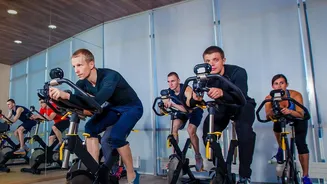
engaging in light-hearted team challenges. These activities are designed to wake up the body and mind through movement and social connection. The idea taps into something fundamental about human nature: we are wired to connect. When exercise is combined with social interaction, it boosts mood, increases motivation, and makes you more likely to stick with it. This approach is a direct response to the isolation that can come with typical fitness routines and the high-pressure environment of competitive gyms.
Gamification Without the Grind
A core element of this trend is gamification—applying game-like rules and rewards to exercise. However, unlike competitive fitness apps that focus on leaderboards and crushing opponents, these morning games are cooperative. The 'win' isn't about being the fastest or strongest; it's about collective achievement. Think of team relay challenges where the goal is simply to finish together, or a group aiming to collectively complete a certain number of exercises like burpees or squats before a timer runs out. This playful structure uses psychological principles to build motivation. By setting clear goals, offering a sense of progress, and providing rewards like the simple satisfaction of teamwork, it makes exercise feel less like work and more like fun. The focus shifts from individual performance to shared effort and enjoyment.
Why Consistency Is the Real Prize
Perhaps the most important principle is the emphasis on consistency over intensity. Research consistently shows that forming a regular habit is more critical for long-term health than occasional, extreme workouts. Pushing too hard, too fast often leads to burnout, injury, and a feeling of failure, causing people to quit altogether. Sunrise Team Games are built on the idea that showing up regularly, even at 60 percent effort, is better than not showing up at all. The low-pressure, social environment makes it easier to form this habit. When you know friends are waiting and the activity will be enjoyable rather than grueling, it’s much easier to get out of bed. This steady, repeatable approach builds sustainable progress and reinforces the idea that fitness is a lifestyle, not a short-term blitz.
Building a Healthier Habit, Together
The social aspect provides powerful accountability. It’s harder to skip a session when you know your team is counting on you, not for a win, but for your presence. This mutual support creates a positive feedback loop: you connect with others, you feel good, you stay consistent, and you see results, which boosts your confidence and strengthens your social bonds even further. Studies have shown that people in group exercise classes report lower stress levels and greater emotional well-being compared to those who work out alone. This sense of community and shared purpose can transform exercise from a solitary obligation into a valued part of your social life. By creating an inclusive and encouraging atmosphere, these games help participants build the confidence and routine needed for lasting health.
How to Start Your Own Morning Game
You don't need special equipment or a formal trainer to embrace this trend. Start by gathering a few friends or neighbors who share a similar goal. Choose a local park or open space and begin with simple, bodyweight exercises. You can create a simple circuit with stations for squats, lunges, push-ups, and planks, rotating every minute. Turn it into a team game by creating a relay race with short sprints and exercises. Another idea is an "Exercise Bingo" card where each square is a different activity to be completed by the group. The key is to keep it light, fun, and adaptable to different fitness levels. The goal is to move, laugh, and connect—a powerful combination for kickstarting your day on a positive note.