





Beyond the Tricolour Trope
For years, Independence Day menus were a predictable affair: tri-colour sandwiches, layered pulao, and various chutneys arranged to mimic the flag. While visually festive, this approach often overlooked the vast, complex, and truly diverse culinary tapestry
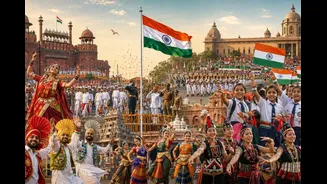
of India. Now, a more authentic form of patriotism is simmering in kitchens and on restaurant menus. The focus is shifting from mere colour symbolism to celebrating the distinct flavours that make up the nation. Instead of just representing saffron, white, and green, chefs and home cooks are choosing to showcase the dishes that tell the stories of India’s many regions. This evolution reflects a deeper appreciation for the idea of 'unity in diversity', where every flavour is given its moment in the spotlight.
A Journey Through India's Kitchens
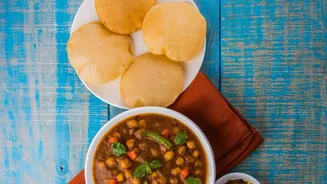
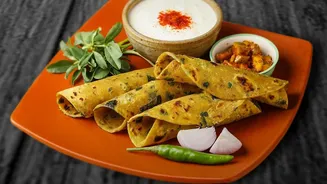
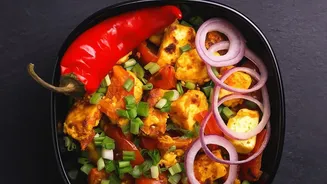
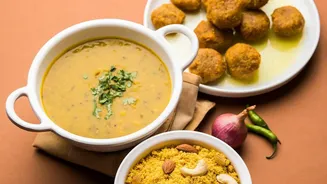
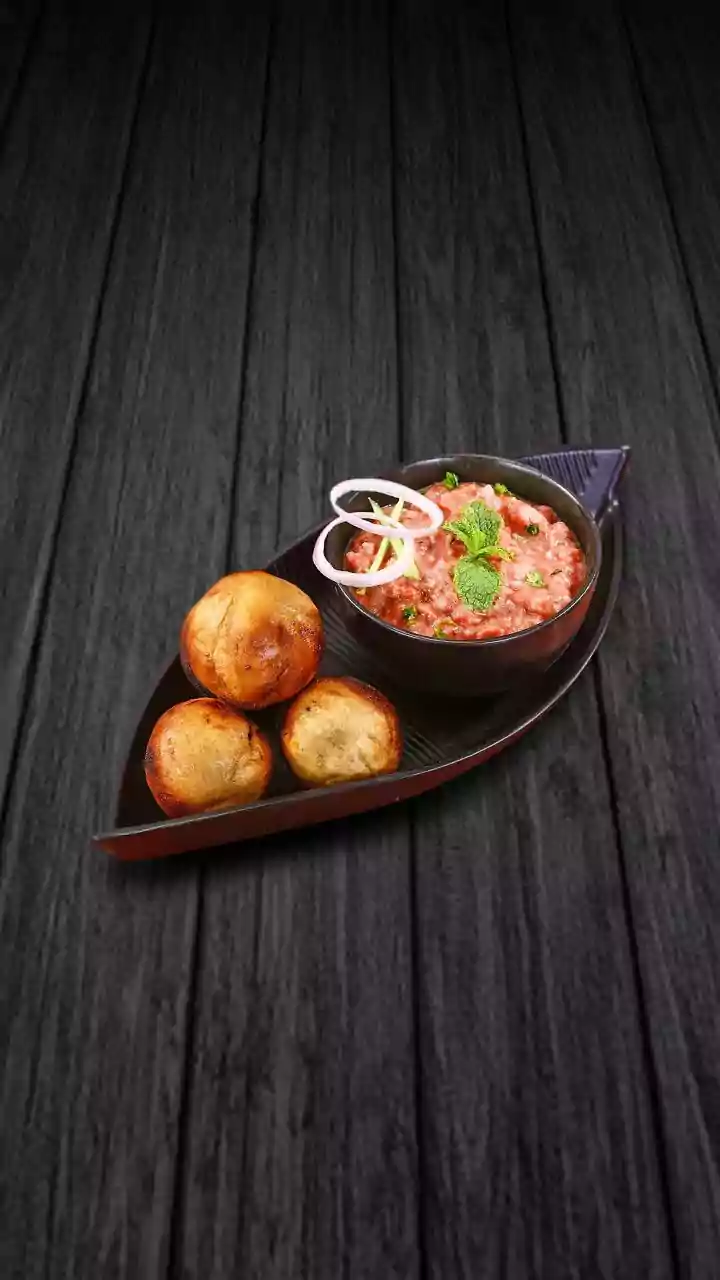
This culinary patriotism means crafting a menu that reads like a travelogue. Imagine starting your celebratory meal with spicy Misal Pav from Maharashtra or crispy Peyaji onion fritters from Bengal. For the main course, a spread could feature the rustic soul of Rajasthan's Dal Baati Churma, the coastal zest of a Mangalorean Ghee Roast, or the rich, aromatic Awadhi Murgh Korma from Lucknow. From the south, dishes like Chettinad Chicken and Vegetable Stew with Appam offer bold flavours, while the east contributes unsung heroes like Bengali Macher Jhol and Kosha Mangsho. This approach allows every guest at the table to take a culinary journey, celebrating the unique identity of each state.
Honouring Heritage Ingredients
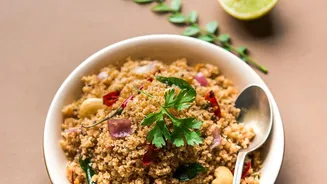
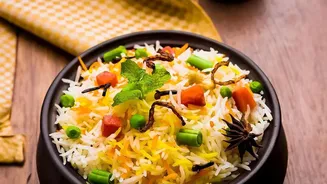
This movement is not just about recipes; it's about reclaiming indigenous ingredients and food systems. There's a renewed pride in using local grains, forgotten millets, and traditional cooking methods that were once central to Indian diets before colonial influence shifted food habits. Dishes like Khichdi, a simple preparation of rice and lentils, are finding a place on festive tables as a symbol of unity and sustenance, remembering its role in feeding communities during the freedom struggle. By celebrating regional ingredients, we not only preserve our culinary heritage but also support local farmers and sustainable food practices, echoing the self-reliance advocated by freedom fighters.
The Sweet Taste of Freedom
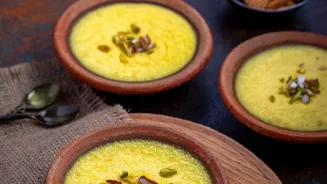
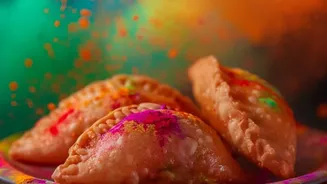
No Indian celebration is complete without dessert, and a regional feast offers a chance to explore a universe beyond the usual. While sweets like Jalebi were distributed to mark the joy of India's first Independence Day, the modern celebration embraces a wider platter. A truly national dessert spread might feature Odisha's iconic Chhena Poda, a rustic baked cheese dessert, alongside the silky Phirni of the north. Add to that a selection of regional mithai: the delicate Sandesh from Bengal, the rich Mysore Pak from Karnataka, or the festive Modak from Maharashtra. Each sweet brings its own texture, history, and personality to the table, creating a finale that is diverse, distinctly Indian, and incredibly sweet.