




The Celebrity Claim Causing a Stir
The buzz began when several Indian celebrities, including Mira Rajput Kapoor and Shobhita Dhulipala, championed raw milk as a staple in their beauty routines. They’ve touted it as a natural toner and a simple secret for hydrated, radiant, and exfoliated
skin. This endorsement of an age-old kitchen remedy sent ripples through social media, with many followers wondering if the key to a celebrity-like glow was waiting in their refrigerator. The appeal is obvious: it’s natural, accessible, and has a history rooted in wellness, famously associated with Cleopatra's legendary milk baths. But before you douse a cotton ball in milk, it’s worth understanding what’s really at play.
Familiar Ingredient 1: Lactic Acid
The first, and most famous, active ingredient in raw milk is lactic acid. If that name sounds familiar, it’s because it’s a hero ingredient in countless modern skincare products. Lactic acid is an Alpha Hydroxy Acid (AHA), a class of chemical exfoliants celebrated for their ability to gently dissolve the bonds holding dead cells to the skin's surface. This process reveals brighter, smoother skin, helps fade dark spots and hyperpigmentation, and can even improve skin texture over time. The lactic acid in milk is precisely why it’s credited with brightening and exfoliating properties. In a formulated serum or cleanser, the concentration and pH of lactic acid are carefully controlled to maximize effectiveness while minimizing irritation.
Familiar Ingredient 2: Fats and Probiotics
The second key component includes the fats (lipids) and beneficial bacteria (probiotics) found in milk. Milk fats act as natural emollients, which help to moisturize and soften the skin by reinforcing its natural barrier. This barrier is crucial for locking in hydration and protecting against environmental irritants. Meanwhile, the world of skincare is increasingly fascinated with probiotics—the 'good' bacteria. The theory is that topical probiotics can help balance the skin's microbiome, potentially calming inflammation and improving conditions like acne. Raw milk contains a host of live bacteria, which is where the probiotic claim originates. Together, these components promise a soothing, moisturizing, and balancing effect.
The Raw Reality: Why This DIY Is Risky
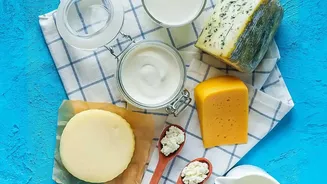
Here’s where the 'myth' of the raw milk facial clashes with reality. While lactic acid and fats are beneficial, using them in an unpasteurized, uncontrolled form is a bad idea. Raw milk can harbor dangerous pathogens like Listeria, Salmonella, E. coli, and Campylobacter. Applying these bacteria directly to your skin, especially if you have any small cuts, blemishes, or a compromised skin barrier, can lead to serious skin infections. There's no scientific evidence to support the idea that raw milk is a safe or effective topical treatment. Furthermore, unlike a cosmetic product, the concentration of lactic acid in milk is inconsistent, and the milk itself lacks preservatives, meaning it can become a breeding ground for even more harmful microbes once it's opened and left at room temperature.
What Do The Experts Say?
Dermatologists and public health organizations like the FDA are clear: avoid using raw milk on your skin. While some cosmetologists acknowledge that the lactic acid can have a mild exfoliating effect, they stress that the risk of infection far outweighs any potential benefit. The consensus is that any claims of raw milk's superiority over pasteurized milk for skincare are not supported by scientific evidence. Experts advise sticking to professionally formulated products. If you want the benefits of lactic acid, choose a serum with a specified percentage. If you’re interested in probiotics and skin barrier support, look for moisturizers designed with stable, safe, and effective ingredients. These products deliver the benefits without the risk of a foodborne-illness-on-your-face situation.