



The Protein Showdown: A Numbers Game
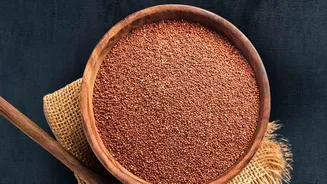
When it comes to the sheer quantity of protein, quinoa takes a clear lead. Uncooked quinoa contains about 14 grams of protein per 100 grams. In contrast, ragi (finger millet) offers a more modest 7 to 8 grams of protein for the same amount. For someone
looking to maximise their protein intake from grains, quinoa appears to be the obvious winner based on numbers alone. However, the story of protein is about much more than just the total grams.
Beyond Quantity: The Quality of Protein
The most significant advantage quinoa has is its protein quality. It is a 'complete protein', which means it contains all nine essential amino acids that our bodies cannot produce on their own. This is rare for a plant-based food, making quinoa's protein profile comparable to that of milk. Ragi, like most other cereals, is an 'incomplete protein'. It is low in a specific amino acid called lysine. However, this isn't a deal-breaker. Traditional Indian eating habits have an ingenious, built-in solution: combining grains with dals (lentils) or curd (yoghurt). When you eat a ragi roti with a bowl of dal, the amino acids from both foods complement each other, creating a complete protein profile for the meal.
The Calcium Champion: Ragi’s Secret Weapon
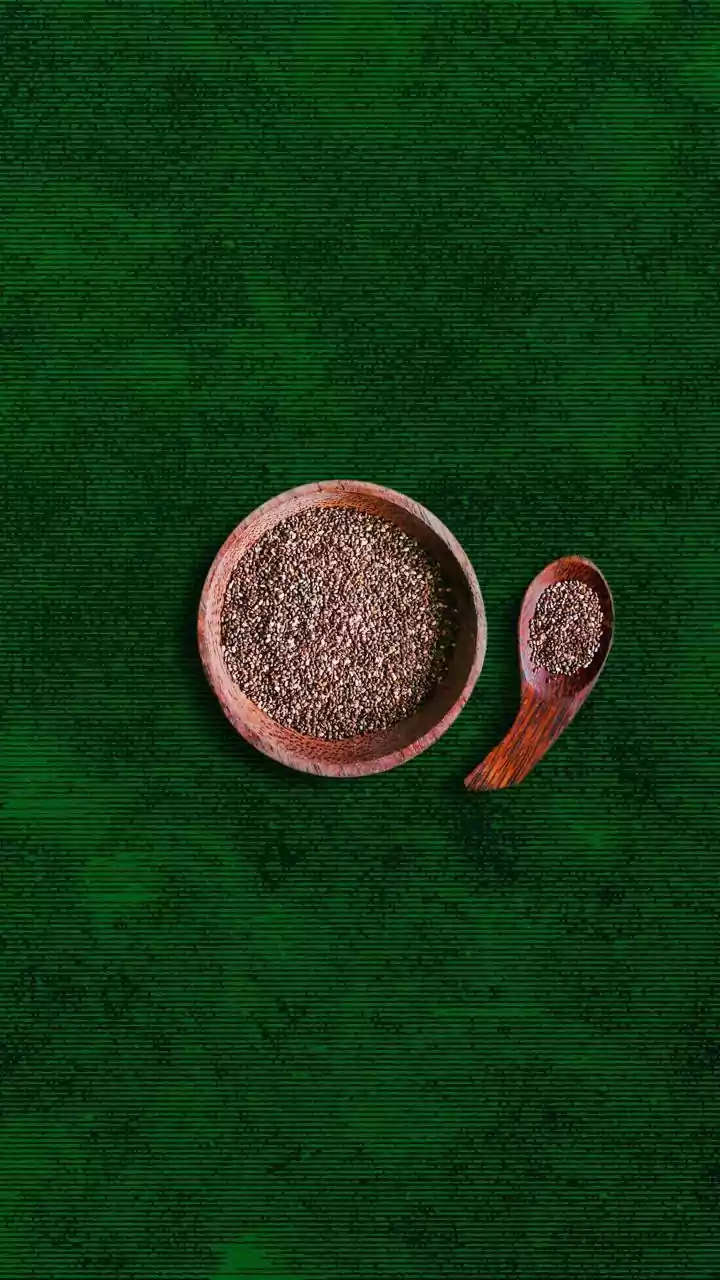
While quinoa wins on protein, ragi has an undisputed crown in another critical area: calcium. Ragi is one of the richest plant-based sources of calcium, providing a massive 344-364 mg per 100 grams. This is nearly seven times more than quinoa, which contains about 47 mg per 100g. For bone health, especially for children, women, and older adults, ragi offers a nutritional advantage that quinoa cannot match. Furthermore, ragi is also a good source of iron and magnesium.
Fibre, Blood Sugar, and Fullness
Both grains are excellent sources of dietary fibre, which is essential for digestive health and keeping you feeling full for longer. Ragi contains around 11 grams of fibre per 100 grams, while quinoa has about 7 grams. This high fibre content gives both grains a low glycemic index (GI), meaning they release sugar into the bloodstream slowly. This makes both ragi (GI of ~54) and quinoa (GI of ~53) suitable choices for individuals looking to manage their blood sugar levels. Their ability to promote satiety also makes them valuable allies in weight management.
Cost and Culinary Context
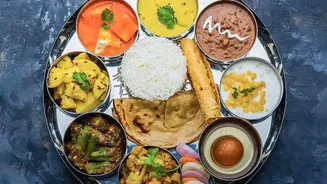
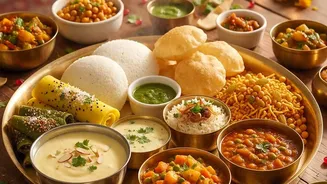
Practicality and price are also important factors. Ragi is a native Indian millet, grown locally and available at a fraction of the cost of imported quinoa. Quinoa typically costs five to eight times more than ragi. From a culinary perspective, ragi has been a staple in Indian homes for centuries, seamlessly fitting into dishes like rotis, dosas, porridges, and the famous ragi mudde. While quinoa is versatile, its nutty flavour and texture can be unfamiliar to the Indian palate and may require more adjustment in daily cooking.