

A Walk Through Shared History
The connection between India and Uzbekistan isn't a modern tourism invention; it's centuries deep. The most significant link is the Mughal dynasty's origin. Babur, the founder of the Mughal Empire, was born in the Fergana Valley, in present-day Uzbekistan.
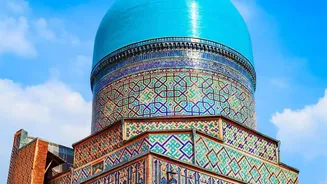
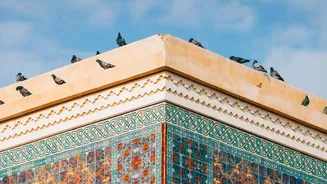
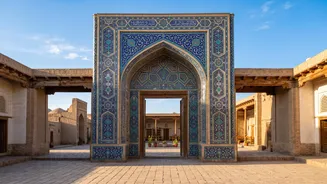
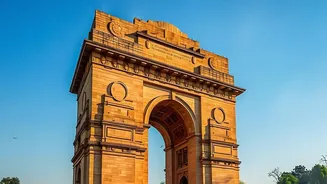
This shared heritage is visible in architecture and culture. The grandeur of the Silk Road cities of Samarkand, Bukhara, and Khiva, with their turquoise domes and intricate tilework, feels like a prequel to the Mughal monuments many Indians grow up admiring. This historical resonance offers a unique travel experience—walking through the lands of Timur and Babur feels less like visiting a foreign country and more like exploring a forgotten chapter of our own history. Locals are often aware of this connection, greeting Indian tourists with a warmth reserved for distant relatives.
Familiar Flavours in a New Land
For many Indian travellers, food is a central part of any journey, and Uzbekistan delivers with a surprisingly familiar palette. The star of Uzbek cuisine is 'plov', a rice pilaf with meat and carrots that is a direct culinary ancestor of our pulao. Kebabs, known as 'shashlik', are grilled to perfection, and the local bread, 'non', is reminiscent of naan. Even the humble samosa has a baked cousin here called 'somsa'. This overlap means that Indian visitors rarely have to hunt for a taste of home. While the cuisine is meat-heavy, vegetarian options like pumpkin-filled manti (dumplings) and fresh salads are increasingly available, especially in tourist centres. The culture around tea, or 'chai', as a cornerstone of hospitality also strikes a familiar chord.
Affordability Without Compromise
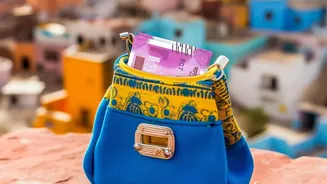
Perhaps the most significant factor driving sustained interest is Uzbekistan's incredible value for money. It offers the grandeur of a European heritage destination at a fraction of the cost. Comfortable hotels, delicious meals, and local transport are all remarkably affordable. A hearty meal can cost a few hundred rupees, and boutique hotels in historic buildings are often priced lower than budget hotels in other international destinations. This affordability means that a week-long trip, including flights, can be managed within a budget that might only cover a weekend getaway elsewhere. The favourable exchange rate for the Indian rupee against the Uzbek Som further enhances spending power, making it a destination where travellers can enjoy a rich experience without financial strain.
Seamless Travel and Simple Logistics
Uzbekistan’s government has made a concerted effort to simplify tourism. For Indian citizens, the country offers a straightforward e-visa process that can be completed online in a few days for a nominal fee. In a recent development in late 2026, it was announced that Indians holding valid multiple-entry visas for countries like the US, UK, or Schengen states can enter visa-free for up to 30 days, provided they have a return ticket. This ease of access is complemented by direct flights from cities like Delhi, which take only about three hours. Once there, high-speed trains like the 'Afrosiyob' connect major cities like Tashkent, Samarkand, and Bukhara efficiently and comfortably, making it easy to cover the main sights without complex travel arrangements.