

The Growing orbital Junkyard
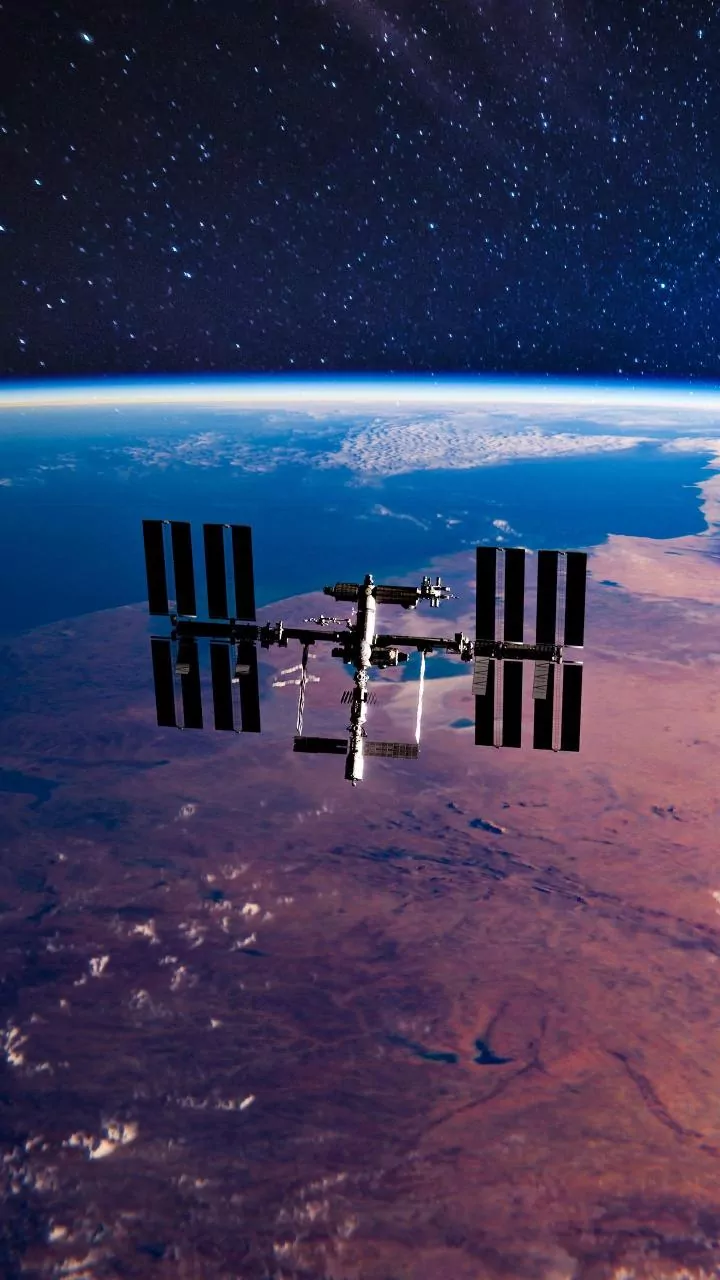
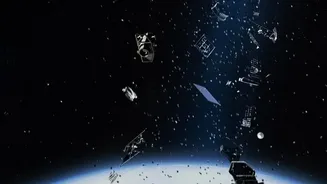
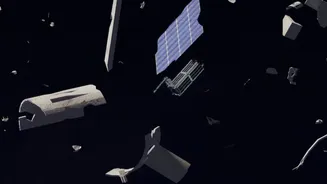
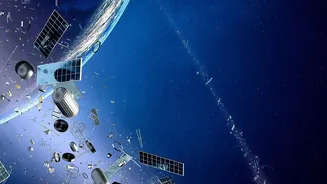
Since the dawn of the space age, humanity has left behind a trail of junk. More than 31,000 objects larger than 10 centimetres are currently tracked in orbit, including defunct satellites and spent rocket stages. But this is just the tip of the iceberg;
millions of smaller, untraceable fragments also zip around the planet at speeds high enough to cripple an active satellite. This growing cloud of debris has given rise to fears of the 'Kessler Syndrome', a scenario proposed in 1978 where collisions create a cascade of new debris, making certain orbits unusable. While a full-blown cascade hasn't happened, experts warn that some orbital altitudes have already reached a critical density where the problem could become self-sustaining. This threat to both current and future space infrastructure is the driving force behind the emerging clean-up market.
The Anatomy of a Clean-Up Mission
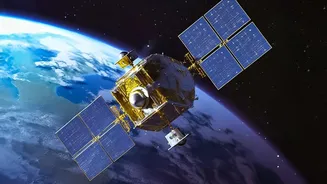
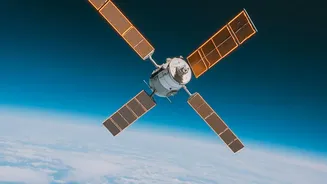
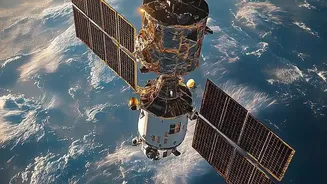
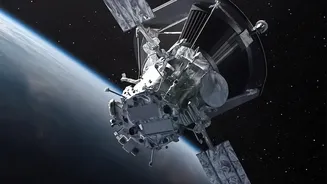
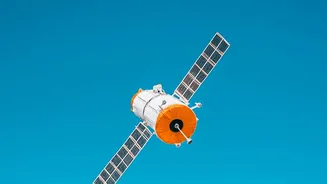
Removing space debris is a complex, multi-stage process that can be broken down into three core technological pillars. First is tracking and situational awareness. Companies like LeoLabs and Privateer specialise in this, using ground-based radar and other sensors to map the debris field and predict potential collisions. This segment currently accounts for the bulk of the market's revenue. The next step is capture. This involves a 'chaser' spacecraft rendezvousing with and securing a piece of debris. A variety of methods are in development, including robotic arms, nets, and harpoons, some of which have already been demonstrated in space. Finally, there's de-orbiting. Once captured, the chaser vehicle must safely remove the object from orbit, either by pushing it into a controlled re-entry where it burns up in the atmosphere or moving it to a less congested 'graveyard' orbit.
The New Space Race Players
A new generation of companies is vying to become the galaxy's garbage collectors. Japan's Astroscale and Switzerland's ClearSpace are two of the most prominent pioneers. Astroscale has already run successful demonstration missions, including inspecting an old rocket stage, while ClearSpace has a contract with the European Space Agency (ESA) for the first-ever mission to remove a piece of agency-owned debris, scheduled for the coming years. These startups are joined by established aerospace giants like Northrop Grumman, which are also investing in the sector. Government agencies are playing a crucial role, not just as potential customers but as funders of critical research and development. NASA, ESA, and Japan's JAXA are all backing demonstration missions to help mature the technologies needed for a viable market.
A Multi-Billion Rupee Question Mark
Despite the urgent need and promising technology, the space debris removal market is fraught with uncertainty. Market forecasts vary, with some projecting it to reach over USD 2 billion by the early 2030s, up from around USD 1.2 billion in 2025. However, these figures are built on a huge assumption: that someone will pay. The fundamental challenge is a classic 'tragedy of the commons' problem. Who is responsible for cleaning up decades-old debris? The cost is immense, with estimates for a single removal mission running into tens or even hundreds of millions of dollars. Furthermore, international law is murky. A country cannot legally salvage or de-orbit another nation's defunct satellite without permission, creating a major roadblock since many of the most dangerous objects belong to various global powers. This combination of high cost and legal ambiguity makes building a business model extremely difficult.