
The Challenge of a Thin Atmosphere
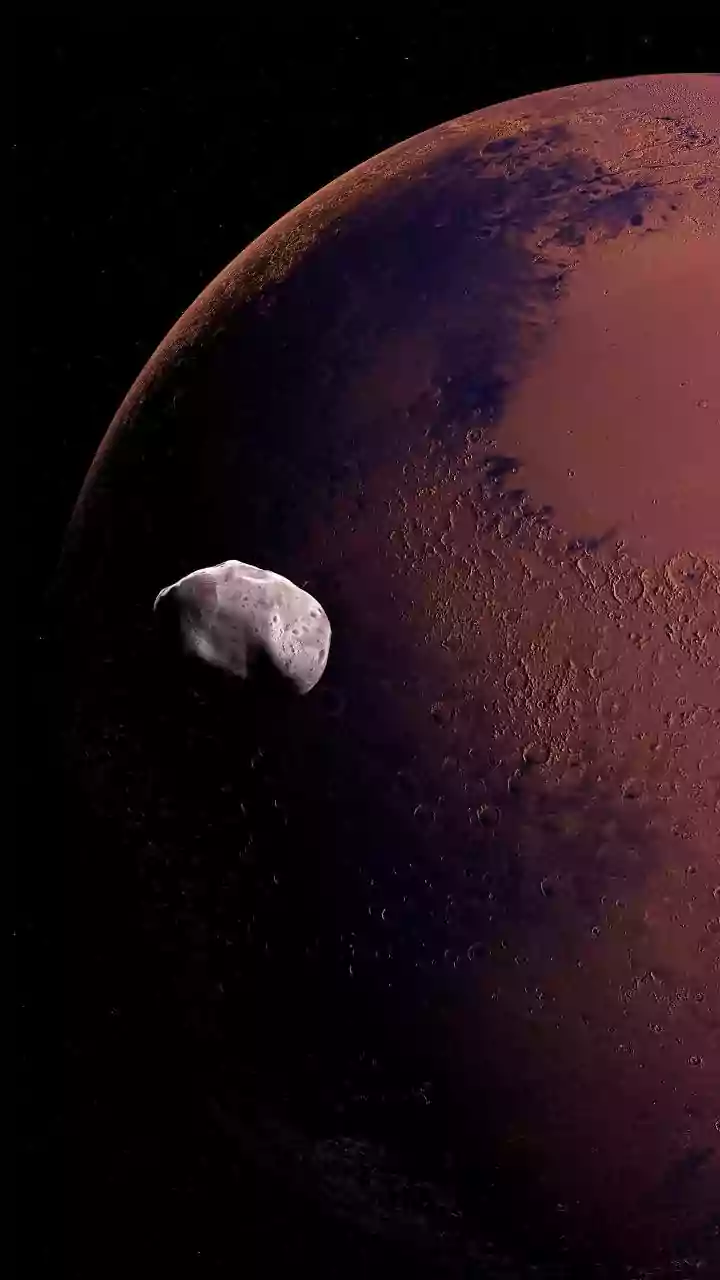
Landing on Mars is notoriously difficult; historically, only about half of all missions have succeeded. The primary culprit is the planet's atmosphere. It's more than 100 times thinner than Earth's, which creates a frustrating paradox for engineers. The atmosphere is thick
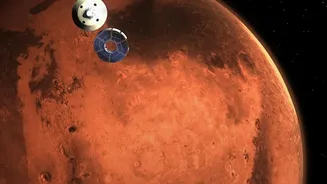
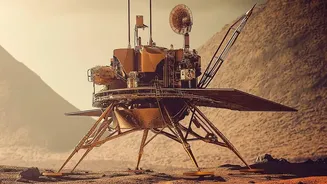
enough to generate immense friction and heat as a lander screams in at thousands of kilometers per hour, requiring a robust heat shield. However, it's far too thin for parachutes alone to slow a heavy craft for a gentle touchdown. This means landers must rely on a complex and perfectly timed sequence of heat shields, parachutes, and powered rocket engines to navigate the final, harrowing minutes to the surface. Any miscalculation can be catastrophic.
An Atmosphere of Uncertainty
A key variable that complicates this descent is temperature. The thin Martian air experiences huge temperature swings, which can vary dramatically from day to night and between regions. On a typical day, air temperatures can range from -23 degrees Celsius down to -83 degrees Celsius. These fluctuations directly impact air density. A colder patch of atmosphere is denser than a warmer one. For a lander descending at supersonic speeds, hitting an unexpected pocket of different density can alter its trajectory, affect the performance of its parachute, and throw off the timing for firing its landing rockets. Without a precise understanding of the thermal landscape the lander will travel through, mission planners have to build in large margins for error, which can limit the choice of landing sites to safer, but potentially less scientifically interesting, regions.
A New, Sharper Weather Map
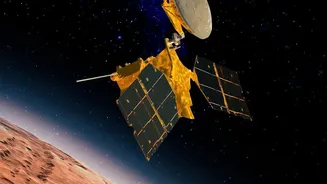
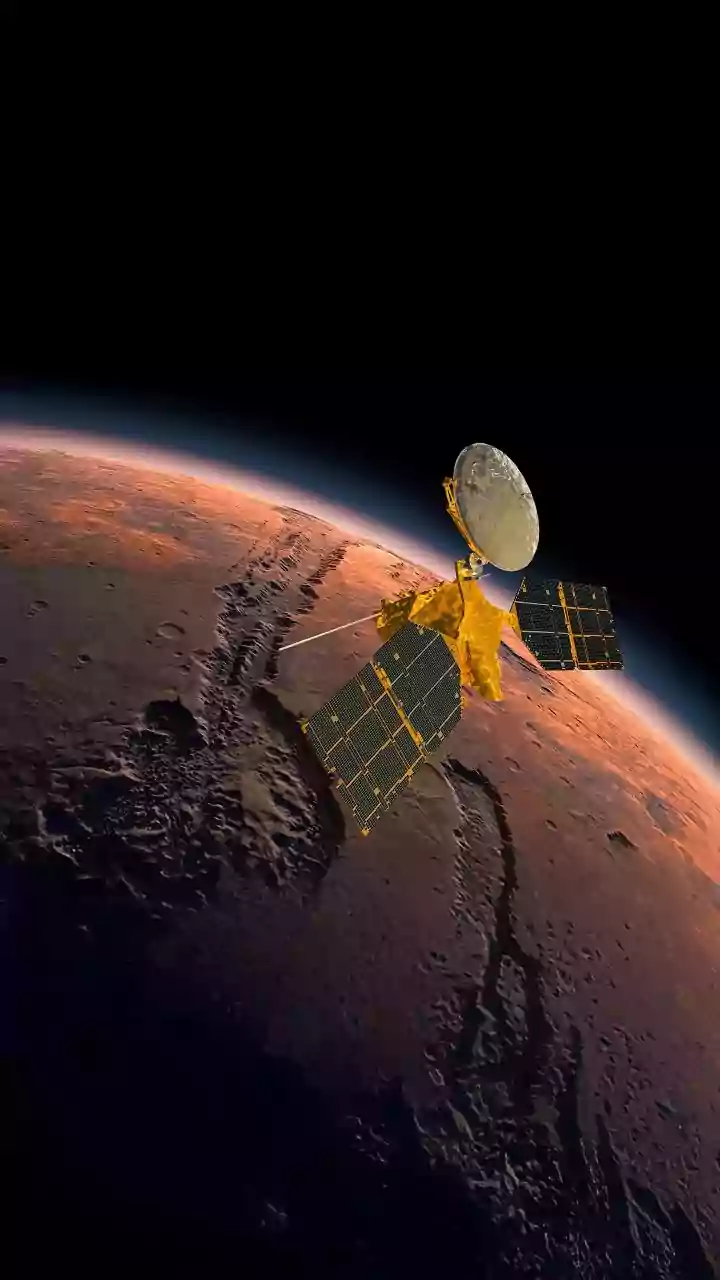
This is where better regional temperature mapping comes in. Until recently, our view of Martian temperatures has been somewhat blurry. Instruments like the THEMIS instrument on the Mars Odyssey orbiter provided broad temperature readings but at a low resolution of about 100 meters per pixel. Another instrument, CRISM on the Mars Reconnaissance Orbiter, offered high-resolution mineral data but not thermal information. Scientists have now developed innovative techniques, sometimes using artificial intelligence, to fuse data from these different sources. By training models on well-studied areas like Gale Crater, they can create high-resolution thermal maps that reveal surface and atmospheric temperature variations in unprecedented detail. This allows for a much more granular understanding of the thermal environment, identifying everything from rocky areas that retain heat to pockets of cold air.
Safer Landings and Bolder Science
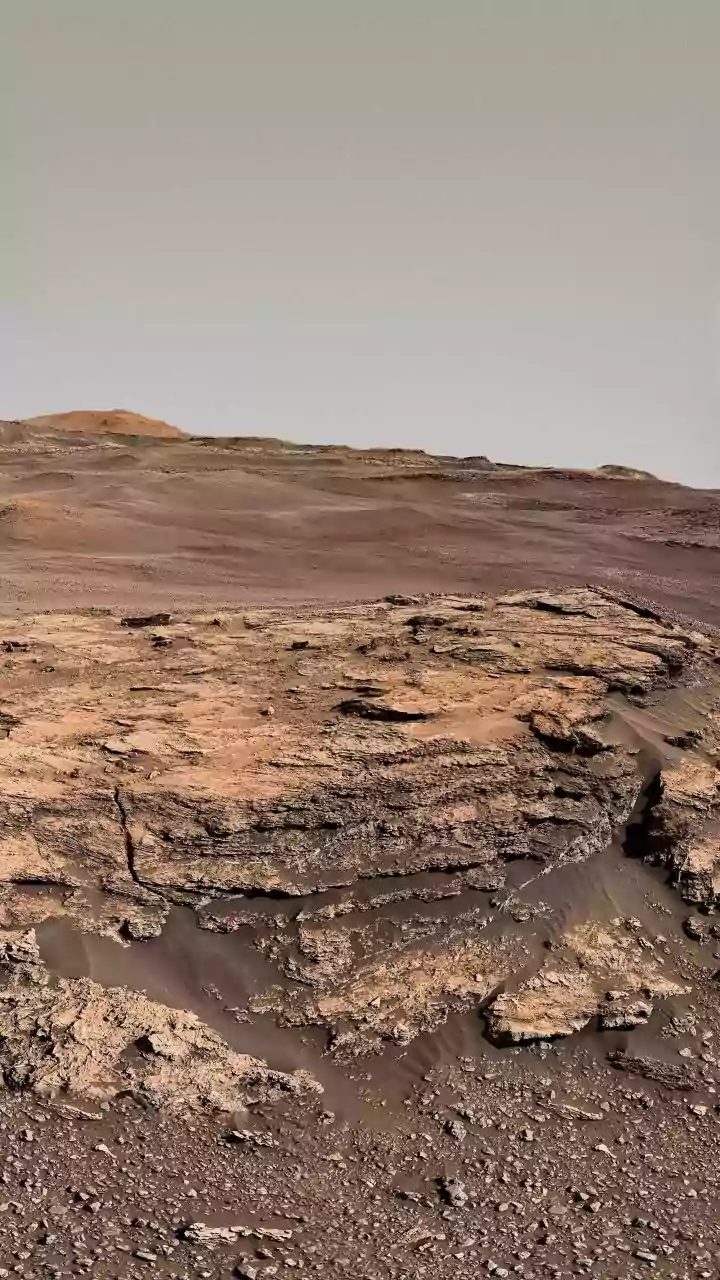
The payoff for future landers is immense. With highly accurate, regional temperature maps, mission controllers can better predict the lander's path through the atmosphere. This precision allows for more efficient fuel usage for the final powered descent and increases the chances of a successful landing. It also opens up new possibilities for exploration. Many of the most scientifically compelling locations on Mars, such as the rugged southern highlands or areas with potential access to subsurface water ice, are currently considered too risky to land on. Better atmospheric data reduces those risks, empowering space agencies to target these bolder destinations. This could accelerate the search for signs of past life and the identification of resources crucial for future human missions, like water ice.
Implications for Global Ambitions
This technological leap is not just for NASA. With multiple nations and private companies now aiming for Mars, including India's ISRO, the European Space Agency, and SpaceX, the ability to land more safely and precisely is a shared goal. ISRO's successful Mars Orbiter Mission has already laid a strong foundation for the nation's interplanetary ambitions. As future Indian missions plan for more complex surface operations, incorporating these advanced atmospheric models will be crucial for success. These high-definition temperature maps represent a vital tool that will benefit the entire global effort to explore the Red Planet, making the dream of setting foot on Martian soil a safer and more attainable reality.