


Maharashtra’s Humble Hero: Poha
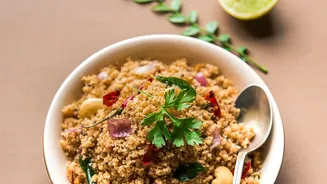
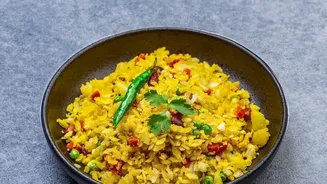
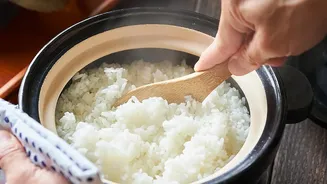
Travel across Maharashtra, and you'll find a breakfast that unites millions: poha. Made from flattened rice, this dish is a masterclass in simplicity and versatility. At its most basic, Kande Poha is a quick toss of softened rice flakes with onions, turmeric,
green chillies, and mustard seeds, often garnished with fresh coriander and peanuts. Its origins are believed to lie in Maharashtra, starting as a quick, nutritious meal for farm workers who needed something light yet energizing. The use of flattened rice, which cooks faster and is easier to carry than whole grains, speaks to a history of practicality. Yet, it’s not just one dish. In Nagpur, you might find it served with a spicy chickpea gravy called 'tarri'. Cross into Madhya Pradesh, and the famous Indori Poha introduces a hint of sweetness, fennel seeds, and a generous topping of crunchy sev and pomegranate seeds. From the bustling streets of Mumbai to the homes in Aurangabad, poha is more than food; it's a taste of home.
South India's Steamed Staple: Idli and Sambar
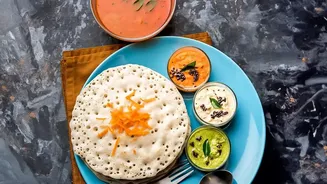
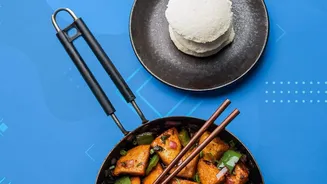
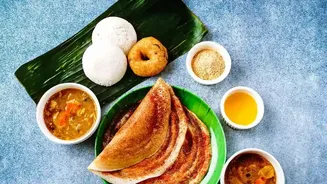
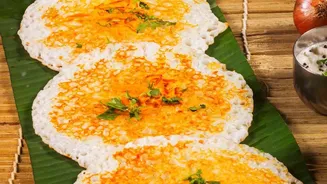
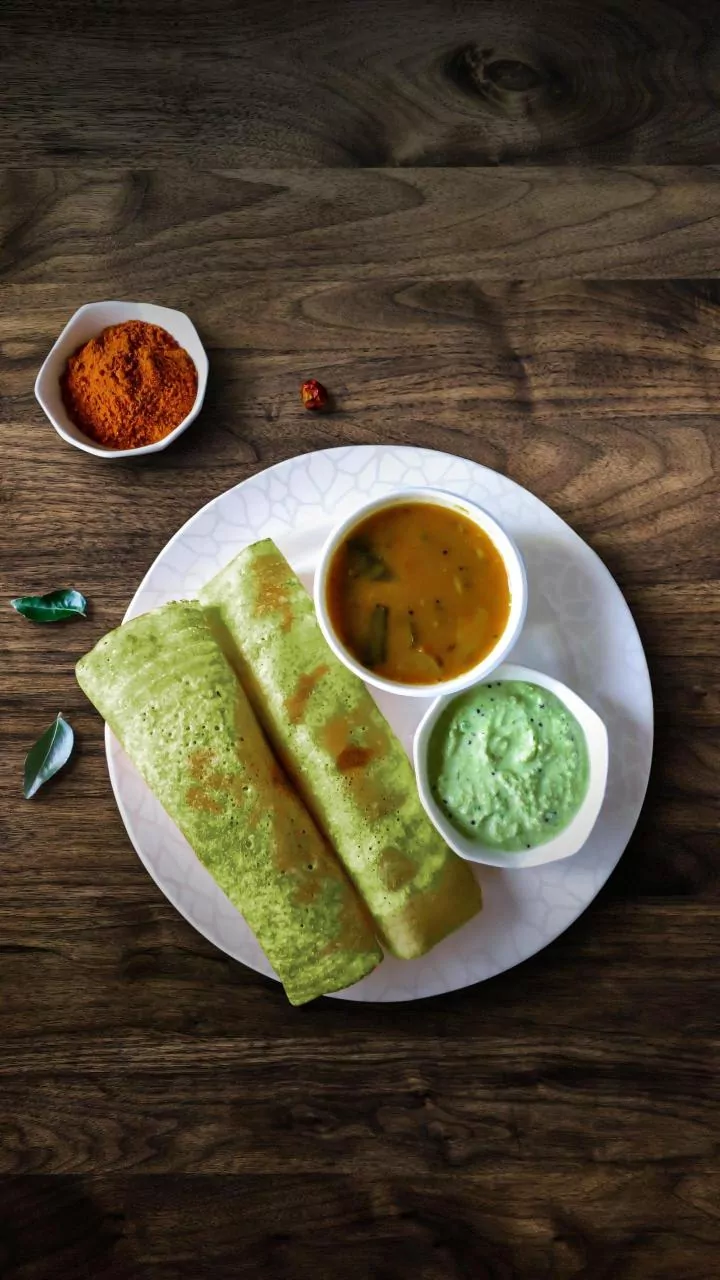
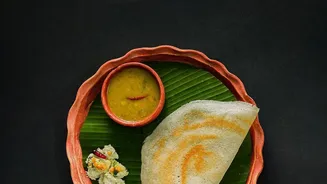
In South India, morning often begins with the soft, pillowy comfort of a steamed idli. This iconic dish, made from a fermented batter of rice and black lentils (urad dal), is a cornerstone of the region's cuisine. While references to a similar dish called 'iddalige' appear in Kannada texts from 920 CE, food historians suggest the modern method of fermenting and steaming may have roots in Indonesia, brought to India via ancient trade routes. Regardless of its origin, the idli has been wholeheartedly embraced and perfected. The fermentation process not only gives it a signature mild tang but also makes it highly nutritious and easy to digest. Paired with sambar—a flavourful lentil-based vegetable stew with its own fabled origins in the Maratha court of Sambhaji—and a variety of chutneys, the meal is a perfectly balanced start to the day. It's a breakfast that represents the culinary wisdom of a region that excels in creating profound flavours from simple ingredients.
Punjab's Hearty Fuel: The Paratha
Head north to Punjab, and the breakfast landscape changes dramatically. Here, the day is fuelled by the hearty, wholesome paratha. This layered, pan-fried flatbread, often stuffed with spiced fillings, is deeply woven into the fabric of North Indian life. The most popular version, Aloo Paratha, is filled with spiced mashed potatoes and served with a dollop of white butter, fresh curd, or tangy pickles. Its existence is a direct reflection of the region's agricultural abundance, particularly its wheat and dairy. The paratha was designed to be a substantial meal, providing sustained energy for farmers working in the fields. Variations are endless, with fillings ranging from cauliflower (gobi) and radish (mooli) to paneer, reflecting the seasonal produce of the region. More than just a breakfast item, the paratha is a symbol of home and hospitality, a warm, comforting meal that brings families together.
Bengal's Leisurely Love Affair: Luchi and Aloor Dum
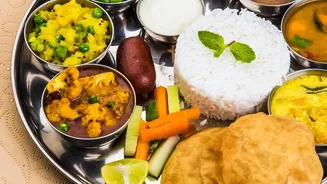
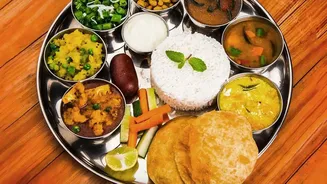
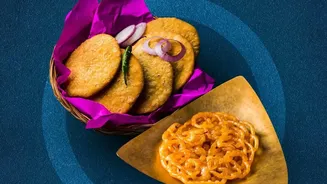
In Bengal, the weekend breakfast often slows down for a more indulgent and poetic pairing: Luchi and Aloor Dum. The luchi, a deep-fried, puffed bread made from refined flour (maida), is ethereal and light. Its creation is linked to the Portuguese introduction of refined flour to the region. It's served alongside Aloor Dum, a slow-cooked potato curry that balances spice and a subtle sweetness. This combination is not an everyday rush-out-the-door meal; it’s reserved for leisurely Sundays, festivals like Durga Puja, and special family gatherings. It embodies a culture that values the joy of a shared meal and the art of cooking. The dish stands as a symbol of comfort, nostalgia, and celebration, a testament to Bengal's unique fusion of history and flavour.